Train Your Mind to Stay Calm in Any Situation Fast
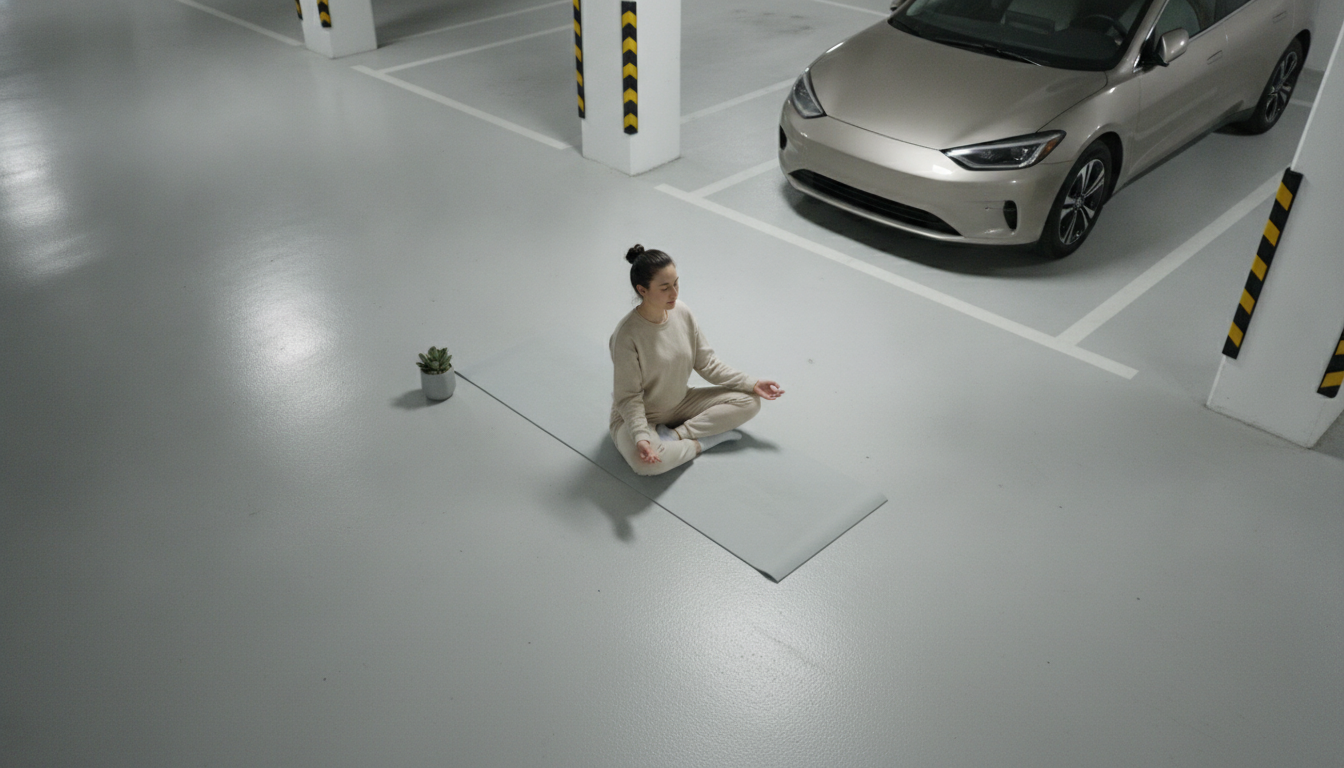
How to train your mind to be calm in every situation?
Staying calm in every situation isn’t about never feeling stress—it’s about building a reliable “reset” you can access quickly, even when emotions run high. With repetition, your brain learns to shift from reactivity to steadiness faster and with less effort.
Start with a simple, repeatable calm-down cue
Pick one small practice you can do anywhere, then use it often. A strong option is a 30–60 second breathing pattern: inhale through your nose for 4 seconds, hold for 2, exhale slowly for 6. Longer exhales signal safety to your nervous system and help reduce the intensity of racing thoughts.
Train calm when you’re already okay
Calm is easier to access in a crisis if it’s familiar. Practice your cue during everyday moments—before opening email, while waiting in line, or after parking the car. These low-stakes reps teach your mind that calm is a default state you can return to, not a rare accident.
Use a “name it to tame it” check-in
When tension spikes, silently label what’s happening: “worry,” “anger,” “pressure,” or “overthinking.” This short label can create a bit of mental distance, giving you room to choose your next move instead of reacting on autopilot.
Replace spirals with a grounded next step
Ask one practical question: “What’s the next helpful action I can take in the next 2 minutes?” Send one message, drink water, step outside, or write down the one thing you can control. Action breaks rumination and brings your attention back to the present.
Lean on guided audio when your mind won’t settle
On hard days, it can be difficult to meditate alone. Guided audio gives your attention something steady to follow and can help you downshift faster. For a structured approach, visit this guide to calming your mind with guided audio meditations and try a short session consistently for a week.
FAQ
How long does it take to build a calmer mindset?
Many people notice small improvements within 1–2 weeks of daily practice, especially with short breathing or guided sessions. Bigger changes typically come from steady repetition over 4–8 weeks, when calm responses start feeling more automatic.
















Leave a comment