Quiet Vacuum Features for Noise-Sensitive Pets
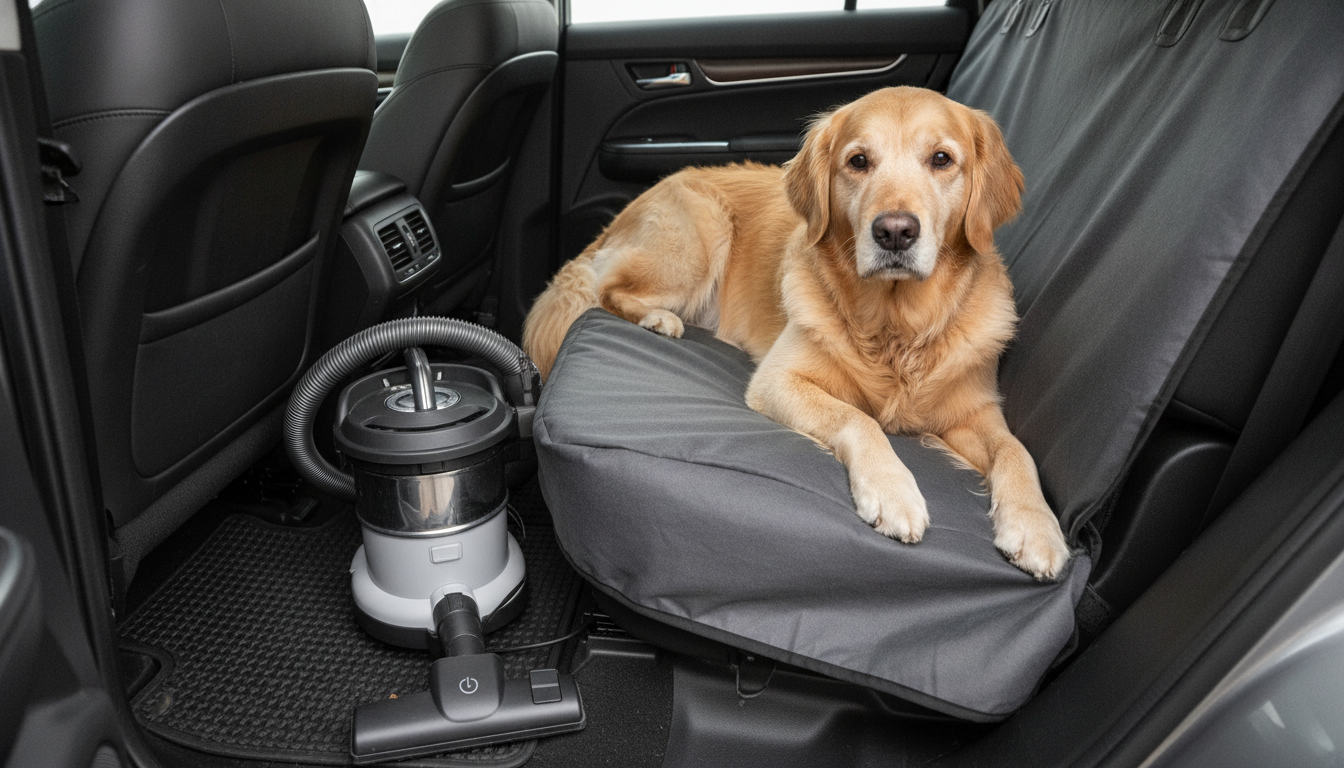
What vacuum features are best for pet households with noise-sensitive animals?
For pets that startle easily, the best vacuum is the one that keeps sound, sudden movement, and “surprise” start-ups to a minimum—while still pulling fur from carpets and upholstery. Look for a mix of noise-control features and pet-focused cleaning tools so you can clean thoroughly without turning every session into a stress event.
Low-noise motor design (and a verified decibel range)
Prioritize vacuums marketed as “quiet,” “low-noise,” or “silent,” ideally with a published decibel rating. A well-insulated motor housing, optimized airflow, and sound-dampening materials typically reduce the sharp, high-pitched tones that many animals react to.
Variable suction and “eco/quiet” modes
Multiple power levels are essential. A quiet/eco mode can be enough for hard floors and quick pickups, while a higher setting can be used briefly for rugs or heavier shedding—limiting how long the loudest mode runs.
Soft-start and predictable controls
A sudden “blast” at power-on can be more frightening than a steady hum. Features like soft-start ramp-up, easy-to-reach controls, and a clear power indicator help you avoid accidental startles and keep your routine consistent.
Sealed filtration to reduce lingering odors and dander
HEPA or sealed filtration matters for pet households because it helps trap dander and fine dust that can irritate sensitive noses. Better filtration also reduces the “vacuum smell” that some animals find intense, especially in small spaces.
Brushroll shutoff and tangle-resistant rollers
Some pets react to the extra vibration and higher pitch created by spinning brushrolls on hard floors. A brushroll shutoff (or automatic floor-type adjustment) lets you clean quietly on hardwood and tile while still using agitation on carpets when needed.
Pet-friendly attachments that reduce repeated passes
A motorized upholstery tool, crevice tool, and a low-noise turbo brush can remove hair faster from sofas and pet beds—cutting down total runtime. A larger dust bin also helps you avoid frequent, noisy emptying interruptions.
For step-by-step tips on helping animals tolerate cleaning sounds, visit this guide to calm vacuum training for dogs and cats.
FAQ
How can I help my dog get used to the vacuum without panic?
Start with the vacuum turned off and reward calm behavior near it, then gradually introduce short, low-power sessions at a distance. Keep sessions brief, pair the sound with treats or play, and increase exposure slowly so the noise becomes predictable.












Leave a comment