Dog Quality of Life: Signs It’s Poor & What to Do
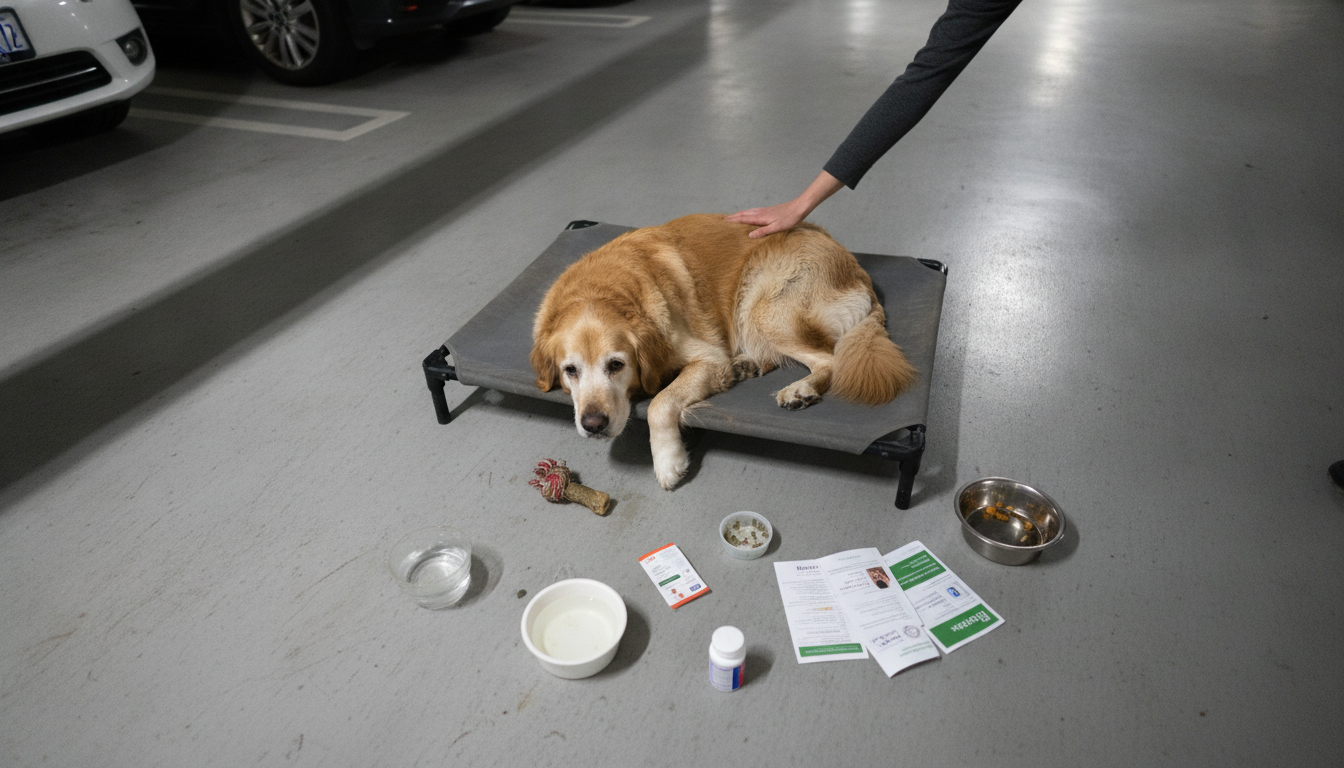
What is considered poor quality of life for a dog?
Poor quality of life for a dog generally means day-to-day living has become more uncomfortable than enjoyable, even with reasonable care and treatment. It’s less about a single diagnosis and more about how your dog is functioning, feeling, and engaging with the world.
How can you tell if a dog’s quality of life is poor?
Common signs include ongoing pain that isn’t well-controlled, difficulty breathing, repeated vomiting or diarrhea, frequent accidents due to loss of bladder or bowel control, and a noticeable decline in mobility (struggling to stand, walk, or get comfortable). Many dogs also show behavioral changes, such as withdrawing from family, avoiding touch, confusion, or restlessness at night.
Another major indicator is loss of interest in normal pleasures: refusing food for extended periods, not wanting to go outside, no longer greeting people, or stopping favorite activities. When “good days” become rare and “bad days” dominate, quality of life is often poor.
What should you do if you’re worried?
Start by tracking symptoms for a week: appetite, hydration, comfort, sleep, bathroom habits, mobility, and mood. Bring that log to your veterinarian and discuss realistic options—pain control, supportive care, or hospice-style comfort measures. If suffering can’t be relieved, your vet can help you evaluate humane next steps.
For a more detailed breakdown of warning signs and practical ways to assess comfort, read the full guide here: https://prestigal.com/what-is-considered-poor-quality-of-life-for-a-dog/.
For Dog Quality of Life: Signs It’s Poor & What to Do, the best answer depends on fit, material, care instructions, and how the product will be used day to day.
FAQ
How do I know when it’s time to euthanize my dog?
It may be time when pain or distress can’t be adequately managed, your dog can’t perform basic functions (eating, breathing comfortably, standing, eliminating) without suffering, and good days are consistently outnumbered by bad days. A veterinarian can help you weigh comfort, prognosis, and humane timing.
















Leave a comment