Senior Dog Grooming Tools for Sensitive Skin
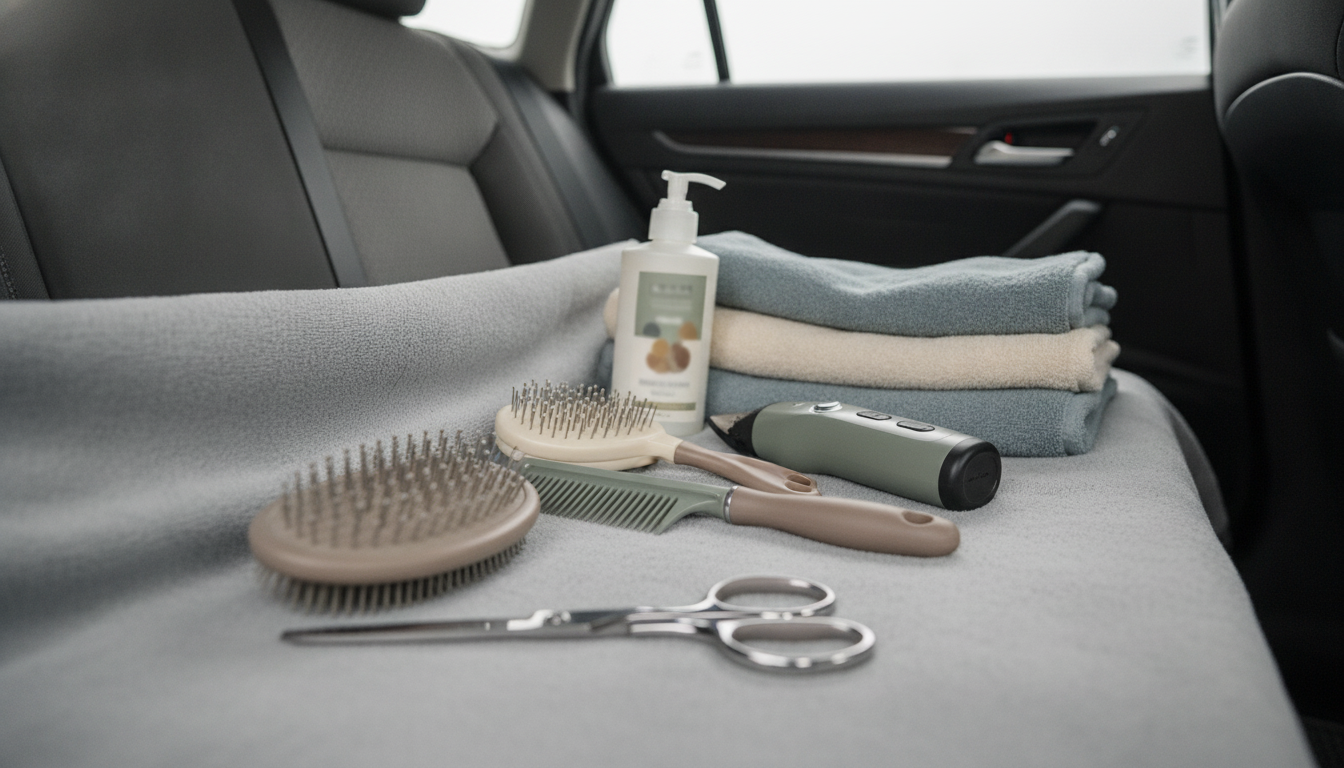
What grooming tools are best for a senior dog with sensitive skin?
For older dogs, skin can thin out, coats may become patchy, and joints can make grooming positions uncomfortable. The best tools are gentle on the skin, easy to control, and effective without repeated passes. Aim for rounded tips, flexible bristles, and low-friction surfaces that reduce tugging.
Soft-bristle brush for daily comfort
A soft-bristle brush (natural bristle or ultra-soft synthetic) is a go-to for senior dogs with sensitive skin. It smooths the coat, lifts light debris, and spreads natural oils without scratching. Use light pressure and short sessions, especially over bony areas like hips and shoulders.
Rubber grooming curry for massage-like de-shedding
A rubber curry brush or grooming mitt works well on many short- to medium-coated dogs because it removes loose hair with minimal abrasion. It also provides a gentle “massage” that can be more comfortable for seniors than metal pins. Choose soft rubber nubs rather than firm, rigid styles.
Wide-tooth comb for careful detangling
For longer coats, a wide-tooth comb helps tease out tangles with less pulling than fine combs. Look for rounded teeth and a comfortable handle for slow, controlled work. Start at the ends of the hair and move toward the skin to avoid painful yanks.
Detangling spray and conditioning tools
A fragrance-free, dog-safe detangling or conditioning spray can reduce friction and make brushing less irritating. Pair it with a gentle slicker brush that has protected tips (or a flexible head) if your dog needs more reach into the undercoat—stop if you see redness or your dog flinches.
Nail and paw tools designed for seniors
Overgrown nails can worsen stiffness, but senior nails may be brittle. Use a quiet, low-vibration nail grinder or sharp guillotine/scissor-style clippers with a safety guard, and finish with a smooth file. For paw pads, small blunt-tip grooming scissors can trim hair between pads without snagging.
For more guidance on choosing senior-friendly, skin-safe grooming gear, visit the main article.
FAQ
How often should I bathe a senior dog with sensitive skin?
Most do well with baths every 4–8 weeks, unless your veterinarian recommends otherwise. Use a gentle, fragrance-free dog shampoo and rinse thoroughly to prevent residue that can trigger itching.
















Leave a comment