5 Simple Activities to Grow Your Child’s Emotional Skills
What activities can help a child’s emotional development?
Kids build emotional skills through simple, repeatable experiences that help them name feelings, calm their bodies, and practice connecting with others. The most effective activities are short, playful, and easy to weave into everyday routines—especially for ages 3–5, when children are learning to handle big emotions with adult support.
1) Feelings naming games
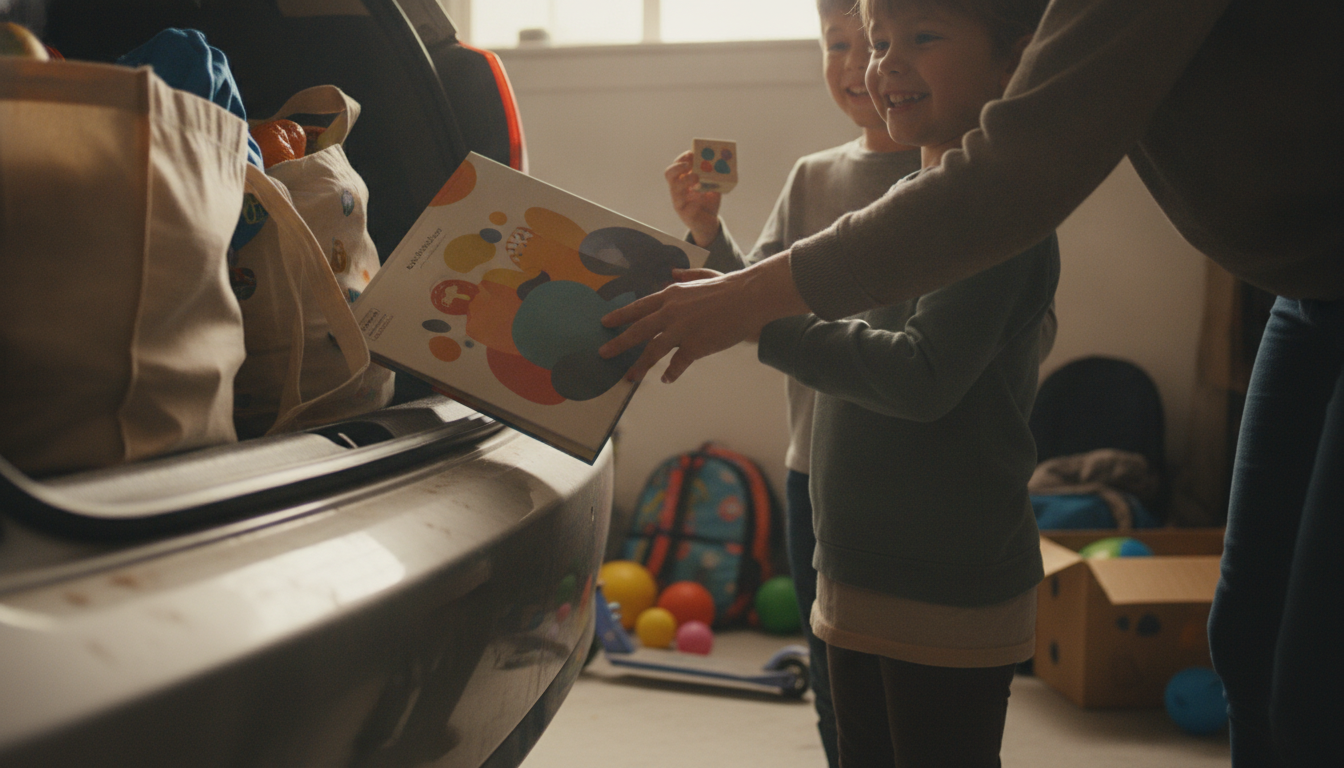
Use “feelings charades” (act out happy, frustrated, excited) or point to faces in books and ask, “What do you think they’re feeling?” Labeling emotions builds emotional vocabulary, which makes it easier for kids to ask for help instead of melting down.
2) Calm-down practice when they’re already calm
Try “smell the flower, blow the candle” breathing, a glitter jar, or a short “ten-finger breathing” trace. Practicing calm strategies during neutral moments helps children access them faster during real frustration.
3) Role-play and pretend scenarios
Use dolls, stuffed animals, or simple scripts like, “The bear wanted a turn but felt mad—what can bear say?” Role-play teaches empathy, problem-solving, and flexible thinking without the pressure of a real conflict.
4) Connection rituals
Daily moments like a two-minute check-in (“best part/worst part”), a bedtime gratitude routine, or a special handshake reinforce emotional safety. Feeling securely connected supports confidence and resilience.
5) Cooperative play and turn-taking
Board games with simple rules, building together, or “helper” tasks (setting napkins, sorting socks) teach patience and shared goals. These experiences strengthen self-control and social-emotional skills.
For more age-appropriate ideas and tools that support emotional strength, visit this guide on building emotional confidence in kids ages 3–5.
For 5 Simple Activities to Grow Your Child’s Emotional Skills, the best answer depends on fit, material, care instructions, and how the product will be used day to day.
FAQ
How can I help my child talk about feelings without shutting down?
Offer two choices to make it easier: “Are you feeling mad or sad?” Then validate briefly and stay curious: “What happened?” Keeping your tone calm and your questions simple reduces pressure.















Leave a comment