Certified Pre-Owned Cars: Key Advantages Explained
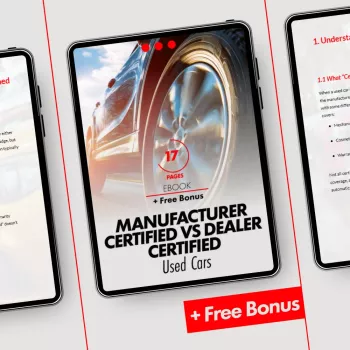
What is the advantage of a certified pre-owned car?
A certified pre-owned (CPO) car bridges the gap between buying brand-new and buying used. The biggest advantage is added confidence: a CPO vehicle is typically newer, has lower mileage, and must pass a detailed inspection backed by the manufacturer or dealer certification program. That extra vetting helps reduce the uncertainty that can come with a standard used-car purchase.
How does a CPO program add value compared to a regular used car?
CPO vehicles usually come with a multi-point inspection and reconditioning process designed to meet specific standards. If an item doesn’t meet the program’s requirements—like brakes, tires, lights, or key safety components—it’s repaired or replaced before the car is certified. Many programs also include a vehicle history report, which makes it easier to avoid cars with red flags such as major accidents or title issues.
What warranties and perks can you expect with certified pre-owned?
Another key advantage is warranty coverage. Many CPO cars include an extended limited warranty (often with powertrain coverage) beyond what a typical used vehicle offers. Some programs also add benefits like roadside assistance, rental car coverage during repairs, trip interruption protection, and sometimes complimentary maintenance for a limited time. These perks can translate into more predictable ownership costs.
Is a certified pre-owned car worth the higher price?
CPO cars often cost more than similar non-certified used cars, but the higher price may be justified by the inspection standards, added warranty, and included benefits. The real value depends on how long you plan to keep the car, whether you prefer a warranty-backed purchase, and the price difference compared to a non-certified option. For a deeper breakdown of CPO benefits and what to look for, visit this guide to the advantage of a certified pre-owned car.
FAQ
What should I check before buying a certified pre-owned car?
Ask to see the certification checklist, confirm what the CPO warranty covers (and for how long), and review the vehicle history report. Also compare the out-the-door price to a similar non-certified model to make sure the added coverage is worth it.















Leave a comment