Stick vs Handheld vs Full-Size Vacuums: Pet Stress
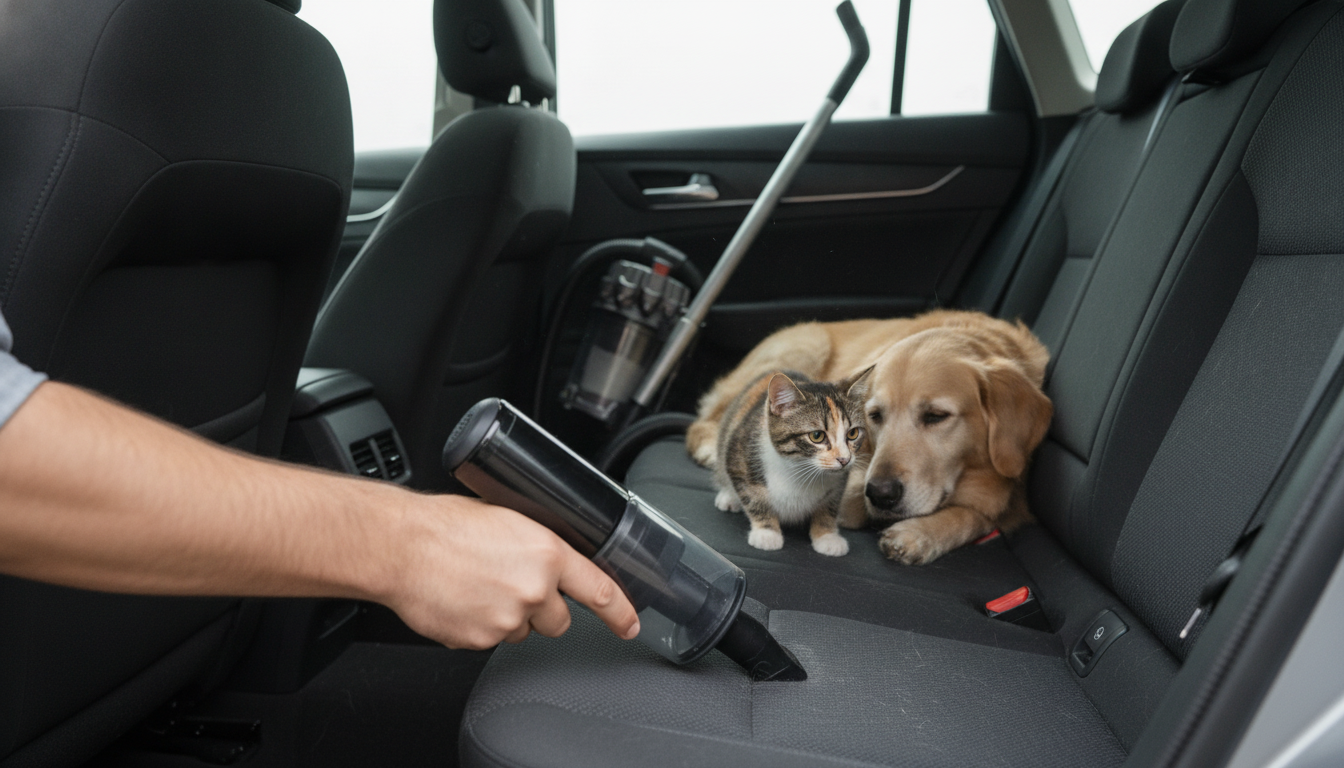
Are stick vacuums or handheld vacuums less stressful for pets than full-size models?
Often, yes—stick and handheld vacuums can be less stressful for pets than full-size uprights or canisters, mainly because they tend to be lighter, smaller, and easier to control. Many pets react to a vacuum’s size, sudden movement, and loud motor as much as the actual suction, so a compact model can feel less “threatening” as it moves through the room.
That said, stress levels depend more on noise and how the vacuum is used than on the vacuum category. Some powerful stick vacuums can be as loud as full-size models, while certain handhelds are quieter but require closer proximity to the pet—something that can make nervous animals more uneasy.
Why smaller vacuums can feel gentler
Stick and handheld units usually have a slimmer profile and smoother handling, which helps you avoid abrupt, fast lunges toward a pet’s resting spot. They also allow spot-cleaning rather than a long, room-filling cleaning session, reducing the duration of the “scary thing” being present.
When full-size vacuums may still be easier for pets
Some full-size canisters keep the noisiest motor farther from the floor nozzle, and longer hoses let you clean at a distance. For pets that primarily fear the sound, a quieter full-size model used slowly—paired with distance—can be calmer than a high-pitched compact unit used close by.
How to choose the least stressful option
Prioritize a vacuum with lower, steadier noise, predictable movement, and the ability to start on a lower power setting. Keep the vacuum’s path wide around your pet at first, and build positive associations gradually. For a step-by-step approach to reducing vacuum fear in dogs and cats, see this guide to calm vacuum training.
FAQ
How can I help my pet stop being afraid of the vacuum?
Start with the vacuum off and reward calm behavior at a distance, then slowly progress to brief, low-intensity sessions with the vacuum on. Keep sessions short, increase difficulty gradually, and provide a safe retreat space so your pet can opt out.











Leave a comment