Indoor Cat Stimulation: Signs of Boredom & Fixes
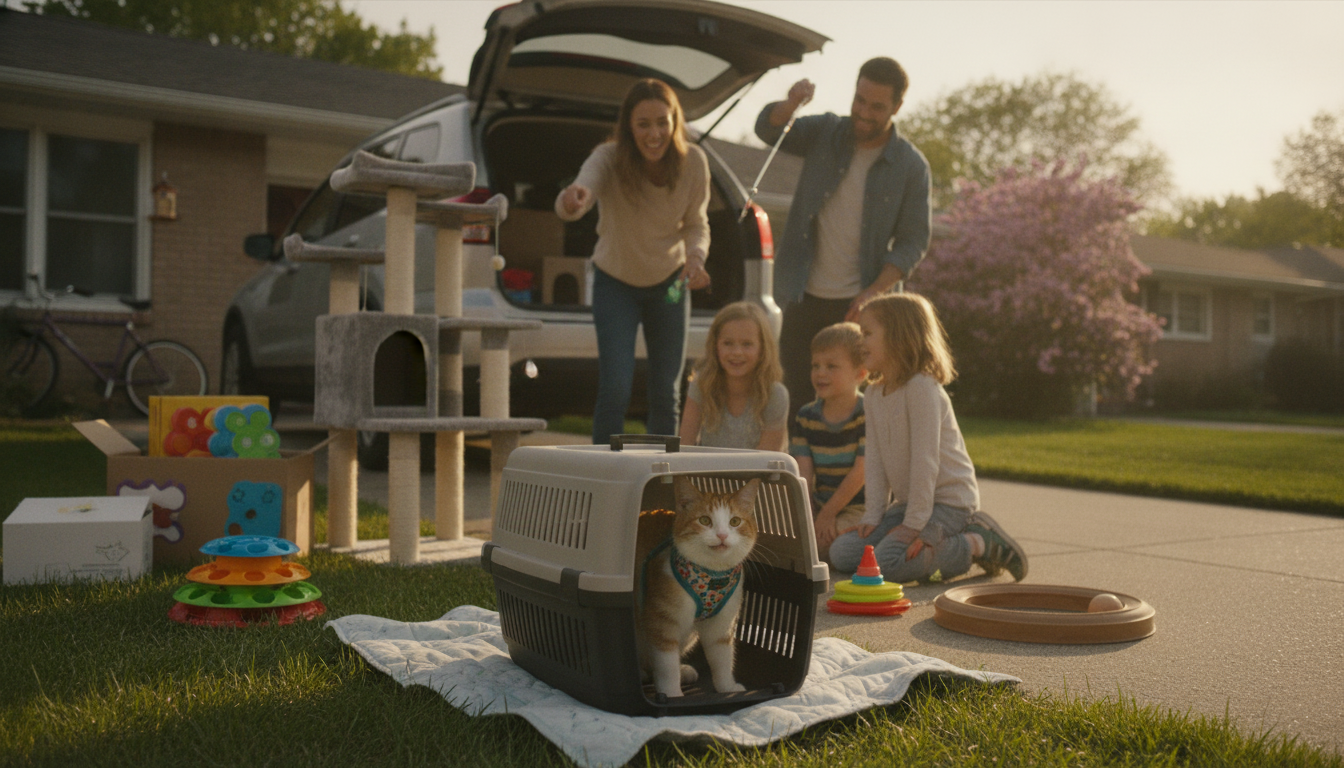
Do indoor cats get enough stimulation?
Indoor cats can get enough stimulation, but it rarely happens by accident. Outside, cats naturally spend time stalking, climbing, sniffing, solving “where did it go?” puzzles, and watching movement. Indoors, that same curiosity can turn into boredom if days feel repetitive or if there’s nothing to hunt, explore, or control.
How to tell if an indoor cat is under-stimulated
Some cats show boredom loudly, others quietly. Common signs include frequent nighttime zoomies, excessive meowing, scratching furniture despite having a scratcher, obsessive attention-seeking, overgrooming, or pouncing on ankles. Weight gain can also creep up when play and movement drop.
What “enough stimulation” looks like indoors
A well-stimulated indoor cat gets daily opportunities to do cat things: chase, pounce, climb, scratch, perch, and rest in a spot that feels safe. Short play sessions (often 10–15 minutes) spread through the day usually work better than one long session, especially when play ends with a small treat or meal to mimic a successful hunt.
Easy ways to add enrichment without overhauling your home
Rotate toys weekly instead of leaving everything out. Use wand toys to create “prey” that hides, darts, and pauses. Add vertical territory with a cat tree, wall shelves, or a window perch for bird-watching. Food puzzles, treat balls, and scatter feeding encourage natural foraging. Even small upgrades—like a second scratcher in a high-traffic area—can change behavior fast.
For more ideas you can implement right away, see the full guide on indoor cat enrichment here: https://prestigal.com/guide-indoor-cat-enrichment-diy-toys-play-routines-home-upgrades/.
For Indoor Cat Stimulation: Signs of Boredom & Fixes, the best answer depends on fit, material, care instructions, and how the product will be used day to day.
Checking those details first helps avoid a poor match and keeps the choice practical after delivery.
FAQ
How much playtime does an indoor cat need each day?
Most indoor cats do best with 20–40 minutes total daily play, split into a few short sessions. Adjust based on age, health, and energy level.
















Leave a comment