10 Health Facts That Actually Improve Daily Habits
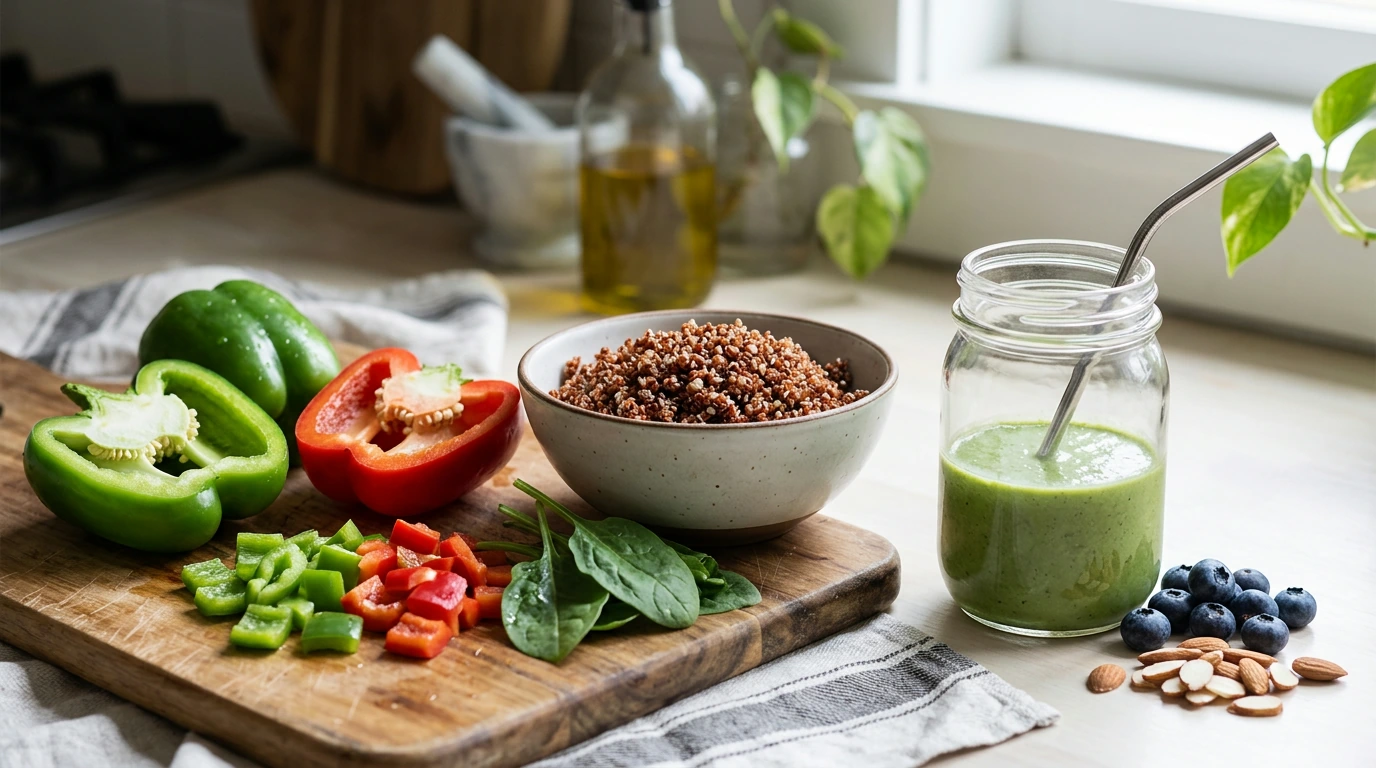
What are 10 interesting facts about health?
Health gets easier to manage when you focus on a few high-impact habits. Our team pulled together 10 facts you can actually use—at the grocery store, at your desk, and in your weekly routine.
1) Hydration affects more than thirst
Even mild dehydration can make workouts feel harder and concentration feel fuzzy. Keep a reusable bottle nearby and add a glass of water to every meal.
2) Protein supports more than muscle
Protein helps with fullness and steady energy, not just strength gains. Aim to include a protein source at breakfast to reduce mid-morning cravings.
3) Fiber is a “quiet” powerhouse
Fiber supports digestion, helps manage appetite, and can make meals more satisfying. Build it in with beans, lentils, berries, oats, and vegetables.
4) Food timing can change how you feel
Spacing meals and snacks can prevent energy crashes. If you get afternoon slumps, try a balanced lunch and a planned snack with protein plus carbs.
5) Sleep is a recovery tool
Consistent sleep helps appetite signals and training recovery. A set bedtime and a darker, cooler room often make the biggest difference.
6) Strength training protects long-term function
Building strength supports joints, posture, and everyday movement. Two to three full-body sessions weekly can be enough to see progress.
7) Walking is underrated cardio
Short walks after meals can support energy and routine consistency. Try a 10-minute walk after lunch or dinner.
8) Stress shows up in the body
Chronic stress can affect sleep, digestion, and food choices. Simple resets—slow breathing, a quick stretch, or a brief outdoor break—are practical tools.
9) Meal planning is a health skill
Planning reduces decision fatigue and helps you build balanced plates. If you want structure, our healthy eating resources can guide your routine—start here: https://prestigal.com/guide-fuel-your-life-bundle-healthy-eating-pdfs-audio/.
10) Consistency beats intensity
The best plan is the one you can repeat on busy weeks. Choose simple defaults: a go-to breakfast, two easy lunches, and a short movement routine.
FAQ
How can I start eating healthier without feeling overwhelmed?
Pick one meal to improve first—often breakfast—and add one protein and one fiber-rich food. Then repeat that win for a week before changing anything else.















Leave a comment