Glass Hemisphere Wall Lamp: Minimalist Placement & Bulbs
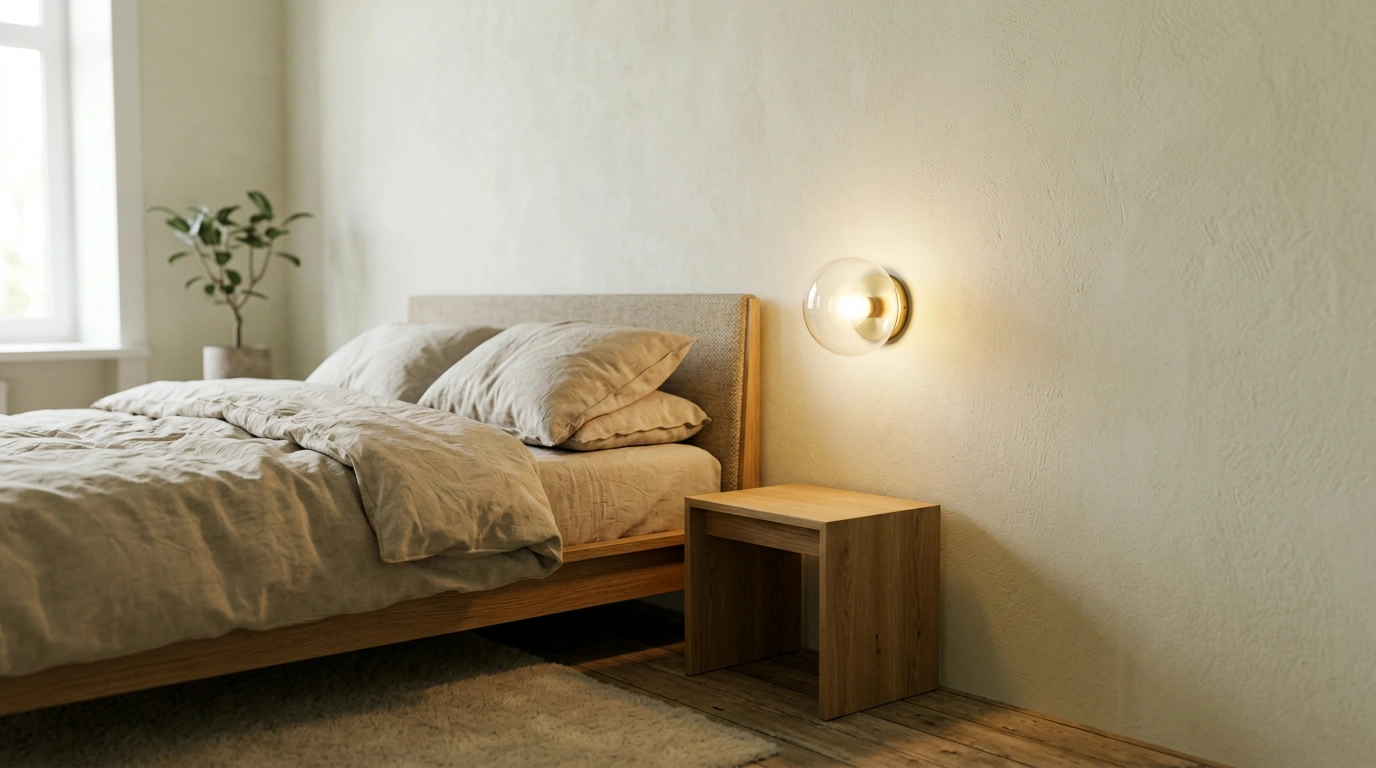
Minimalist Glass Hemisphere Wall Lamp for Modern Interiors
Clean lines, calm light, and a silhouette that disappears into the room until it’s switched on—this glass hemisphere wall lamp is designed for modern interiors that prioritize simplicity. It brings a soft, composed glow to hallways, bedrooms, living spaces, and work corners, adding a refined accent without visual clutter. For more guidance, see Contemporary Architecture: What It Really Means Today.
Why a Hemisphere Shade Works So Well in Modern Rooms
Modern spaces tend to reward restraint: fewer shapes, clearer geometry, and lighting that supports the room rather than dominating it. A hemisphere shade does exactly that while still feeling intentional. For further reading, see Bureau of Western Hemisphere Affairs.
- A hemisphere form reads as architectural: simple geometry that pairs naturally with modern and minimalist styling.
- Glass helps keep the look light and airy while softening brightness for a more comfortable atmosphere.
- The rounded profile reduces harsh visual edges on the wall, creating a calmer, more balanced focal point.
- Works as a subtle design “dot” on the wall—use one as punctuation or repeat multiples for a gallery-like rhythm.
Where It Fits Best: Placement Ideas That Feel Intentional
Wall lighting works best when it’s planned around real routines—winding down, walking through a corridor, or settling into a chair with a book. Here are placements our team sees make the biggest difference in minimalist homes.
- Bedside alternative to table lamps: frees up nightstand space and keeps the look streamlined.
- Hallway or entry: adds guidance lighting and a polished welcome without needing a large ceiling fixture.
- Living room layering: place near a sofa or reading chair to create softer zones beyond overhead lighting.
- Home office corner: use as a wall-mounted accent to reduce desk clutter and create a calmer work backdrop.
- Stair or corridor spacing: repeated sconces create a consistent, modern visual cadence along the wall.
| Use case | Typical mounting approach | What to aim for |
|---|---|---|
| Bedside | One per side of the bed | Comfortable reach from bed; light kept out of direct line of sight |
| Hallway | Even spacing along the run | A consistent rhythm; avoid placing too close to door trim |
| Reading corner | Near chair/sofa shoulder line | Glare-free light that supports comfort and mood |
| Entryway | Near mirror or console | Soft, flattering ambient light without overpowering the space |
Styling Notes: Making Minimalism Feel Warm, Not Bare
Minimalist lighting can either feel serene or stark—the difference is usually texture and proportion. A glass hemisphere brings a gentle curve that helps soften a room built from straight lines.
- Pair with natural textures (wood, linen, woven elements) to keep the overall look inviting.
- Keep nearby wall décor simple: one framed print, a narrow shelf, or negative space for a gallery-clean effect.
- Use repetition when the space feels long or tall—matching wall lamps can make modern rooms feel cohesive.
- Let the lamp be the “curve” in a room of straight lines: it balances cabinetry, shelving, and rectangular furniture.
Light Quality: Setting the Mood With the Right Bulb
Bulb choice is where your wall lamp turns from “nice” to “exactly right.” Color temperature and controllability shape how the room feels at different times of day.
- Warm white (often around 2700K–3000K): supports a relaxed, residential feel for bedrooms and living areas.
- Neutral white (often around 3500K): can feel crisp in hallways and transitional spaces without turning clinical.
- Consider dimmable lighting: when your switch and bulb support it, you can move from bright function to evening calm.
- Aim for layered lighting: combine wall lighting with a ceiling fixture and a small task light for a complete scheme.
If you’re comparing bulb types or efficiency, these references are useful: U.S. Department of Energy guidance on lighting choices, ENERGY STAR’s light bulb overview, and the Illuminating Engineering Society (IES) standards overview.
Choosing the Right Spots Before Installing
A minimalist wall lamp looks best when it’s placed with purpose. Before you commit to holes in the wall, take a few minutes to “stage” the location.
- Map the room’s “need” zones first: reading, getting ready, walking paths, and relaxing—then place lighting to support those moments.
- Check sightlines from seating and bed positions to avoid direct glare at eye level.
- Keep symmetry where it matters (bedside, vanity/mirror moments), and use asymmetry for more gallery-style modern spaces.
- If installing multiples, mark spacing with painter’s tape to preview the pattern on the wall before committing.
Care and Long-Term Look
Product Picks From Our Store
- Minimalist Glass Hemisphere Wall Lamp for Modern Interiors ($94.47) — a quiet, architectural wall light for bedside symmetry, hall rhythm, or a softer living room layer.
- The Ultimate Productivity Blueprint | Digital Productivity Guide for Goal Setting, Time Management & Daily Routines ($14.99) — a practical add-on if you’re building a calmer home office corner and want the routine to match the space.
FAQ
Is a glass hemisphere wall lamp bright enough for a bedroom?
Yes, it can be, especially as ambient bedside light—brightness depends primarily on the bulb you choose. For a well-balanced bedroom, use it as part of layered lighting and consider dimmable control so you can shift from evening wind-down to practical light when needed.
How high should a wall lamp be mounted?
Mounting height is best set by comfort and glare control rather than one universal number. Plan around where your eyes are when you’re in the space (in bed, seated, or walking by) and align the placement with nearby furniture like nightstands, mirrors, or a console for a clean, intentional look.
What bulb color temperature looks best with minimalist interiors?
Warm white (around 2700K–3000K) tends to feel relaxed and “home-like,” while neutral white (around 3500K) can feel crisp for hallways and transitional areas. Whichever you choose, keep the color temperature consistent across nearby fixtures so the room reads cohesive.











Leave a comment