Why High Heels Feel Harder to Walk In Now
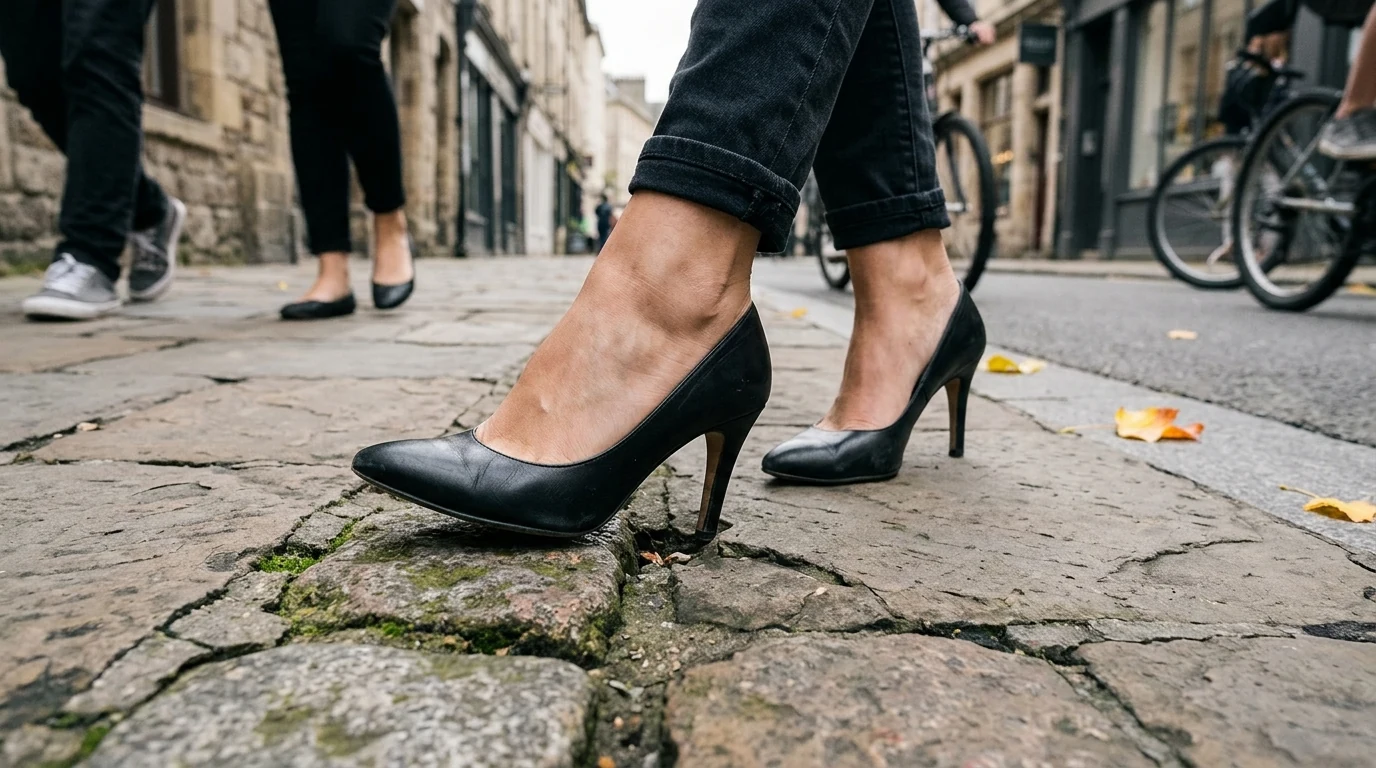
Why Can’t I Walk in High Heels Anymore?
If heels that once felt easy now leave you unsteady or sore, you may need a different fit, a gentler heel, or time to rebuild your balance. Your feet, strength, and daily habits can change, and an older pair may no longer support you the way it used to. You do not have to push through pain to get comfortable in heels again.
What Might Have Changed?
Time away from heels is a common factor. Walking in them asks your calves, ankles, and smaller stabilizing muscles to work differently than they do in flats or sneakers. If you have not worn heels regularly, a height that used to feel familiar may now feel demanding.
The shoes themselves matter, too. A narrow toe box can crowd your toes, while a loose heel counter can let your foot slip. A thin, high heel gives you a smaller base of support than a lower, wider one. Worn soles or heel tips can also make steps feel less secure.
How Can You Feel Steadier?
Start with a lower block heel or a supportive wedge rather than immediately returning to your highest stilettos. Look for enough room to move your toes, a snug fit around the heel, and a sole that does not slide easily on the floor. If your foot shifts forward as you walk, a more secure fit is usually more helpful than simply gripping with your toes.
Practice at home for short periods on a clear, level surface. Stand tall, take shorter steps, and place each foot down deliberately instead of rushing. Increase your wear time gradually, and bring a comfortable backup pair when you expect a lot of walking or standing. For more step-by-step guidance, see our guide to walking in heels with balance and confidence.
If the change was sudden, you keep losing your balance, or you have persistent pain, numbness, or swelling, stop wearing the shoes and speak with a healthcare professional. Our goal is to help you find heels you can enjoy wearing—not to make discomfort part of the outfit.
FAQ
What heel height should I try first when getting used to heels again?
Try a low, stable heel that lets you walk without pain or wobbling. Once that feels comfortable for your usual activities, you can decide whether a taller heel works for you.
















Leave a comment