Low-Maintenance Plant Checklist for Home and Office
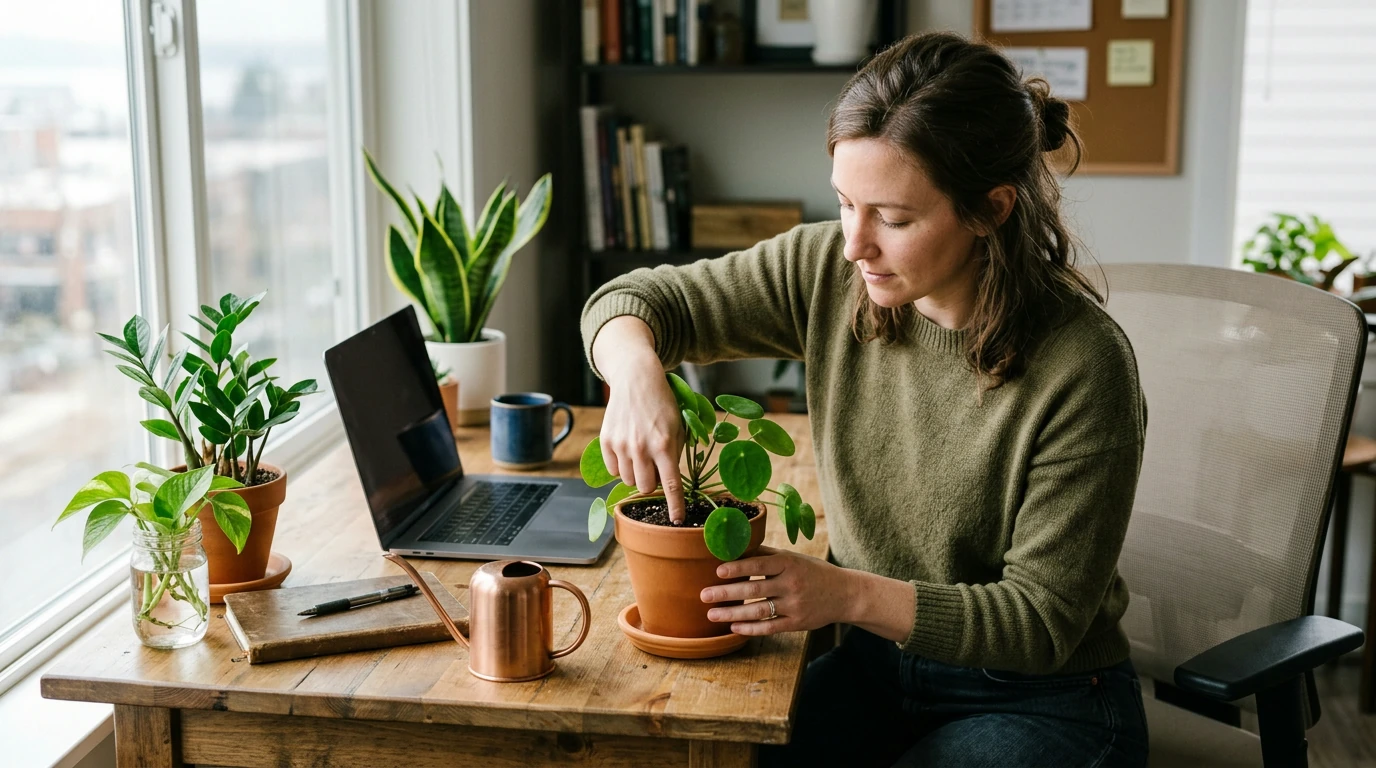
A little greenery can make a busy home or office feel more welcoming, but even easy-care plants need some attention. The good news is that plant care doesn’t have to become another complicated project. A few regular checks can help you notice when something needs attention and avoid watering on autopilot.
Our printable digital checklist gives you a convenient way to keep basic plant care top of mind, whether you keep one plant on your desk or a small collection at home.
Make Plant Care Fit Your Schedule
Low-maintenance doesn’t mean no maintenance. Plants still need suitable light, appropriate watering, and an occasional look at their leaves and soil. A consistent routine makes those tasks easier to remember without demanding much time.
Our Low-Maintenance Plant Checklist is an easy-care guide for busy homes and offices, available for $7.99. You can print it or refer to the digital version when it’s time to check your greenery.
Rather than setting a rigid watering day, try setting a regular check day. That small distinction gives you a predictable reminder while leaving room to respond to what each plant actually needs.
Start With the Space You Have
Before choosing a plant, take a look at where it will live. Notice how much natural light reaches the spot throughout the day, how much room is available, and whether the area tends to be warm, cool, dry, or drafty. A bright windowsill and an interior office desk can offer very different growing conditions.
Match a plant to the light it will receive rather than relying on a watering schedule alone. A plant in a bright, warm room may use water differently from the same kind of plant in a cooler, dimmer space. The University of Minnesota Extension’s houseplant guide offers more guidance on light and other growing conditions.
If you have pets, check a plant’s safety before bringing it home. The ASPCA’s toxic and non-toxic plant database can help you look up a plant and make an informed choice for your household.
Build a Simple Care Routine
Start by checking the soil before you reach for a watering can. Feel the soil and consider the plant’s individual needs; some plants prefer to dry out more between waterings than others. Adjust your approach as seasons and room conditions change.
Next, take a quick look at the leaves and stems. Yellowing leaves, visible pests, or an unusual change in growth are useful signals to investigate. Dust can also collect on leaves, so gently clean them when needed, using a method suitable for the plant.
A Practical Plant-Care Check
| When | What to check | What to do |
|---|---|---|
| During a regular check | Soil moisture | Water only when appropriate for the plant |
| During a regular check | Leaves and stems | Look for damage, pests, or changes |
| Periodically | Light and placement | Adjust the location if the plant is not thriving |
| As needed | Leaves and pot | Remove dead growth and check drainage |
A regular reminder can make this check feel automatic, but watering should remain a decision, not a reflex. If the soil is still appropriately moist, leave the watering can alone and check again later. Make sure excess water can drain rather than collecting around the roots.
Use the Checklist at Home or Work
A printable digital checklist can help you repeat the same simple checks even when your week is full. Keep a printed copy near your plants, or open the digital checklist during your regular care check. Either approach gives you a prompt to pause and observe before taking action.
In a shared office or household, assign one person responsibility for checking the plants. That makes it less likely that everyone assumes someone else handled them—or that several people water the same pot. If responsibilities change, let the next person know what you’ve noticed about each plant’s light and moisture needs.
If you’re also working on a broader schedule, our Ultimate Productivity Blueprint is a digital guide focused on goal setting, time management, and daily routines. You can pair a plant-check reminder with another regular task, such as planning your week.
Keep Your Greenery Manageable
Start with a small number of plants that suit your space. Once checking them feels comfortable, you can decide whether you have room and time for more. Paying attention to a few plants is often easier than trying to catch up with a large collection all at once.
Our team recommends keeping your routine flexible: notice changes, respond to the conditions in front of you, and let a reminder bring you back to the basics. Explore our Low-Maintenance Plant Checklist for a practical way to support that routine.
FAQ
How often should I check low-maintenance plants?
A regular check is useful, but watering frequency depends on the plant, soil, and environment. Check soil moisture rather than watering automatically.
Can I use the checklist for office plants?
Yes. The checklist is intended for busy homes and offices and can help you make plant-care checks part of a routine.
Do low-maintenance plants need no care?
No. They still need suitable light, appropriate watering, and occasional attention.
















Leave a comment