Small Discoveries with a Kids’ Handheld Microscope
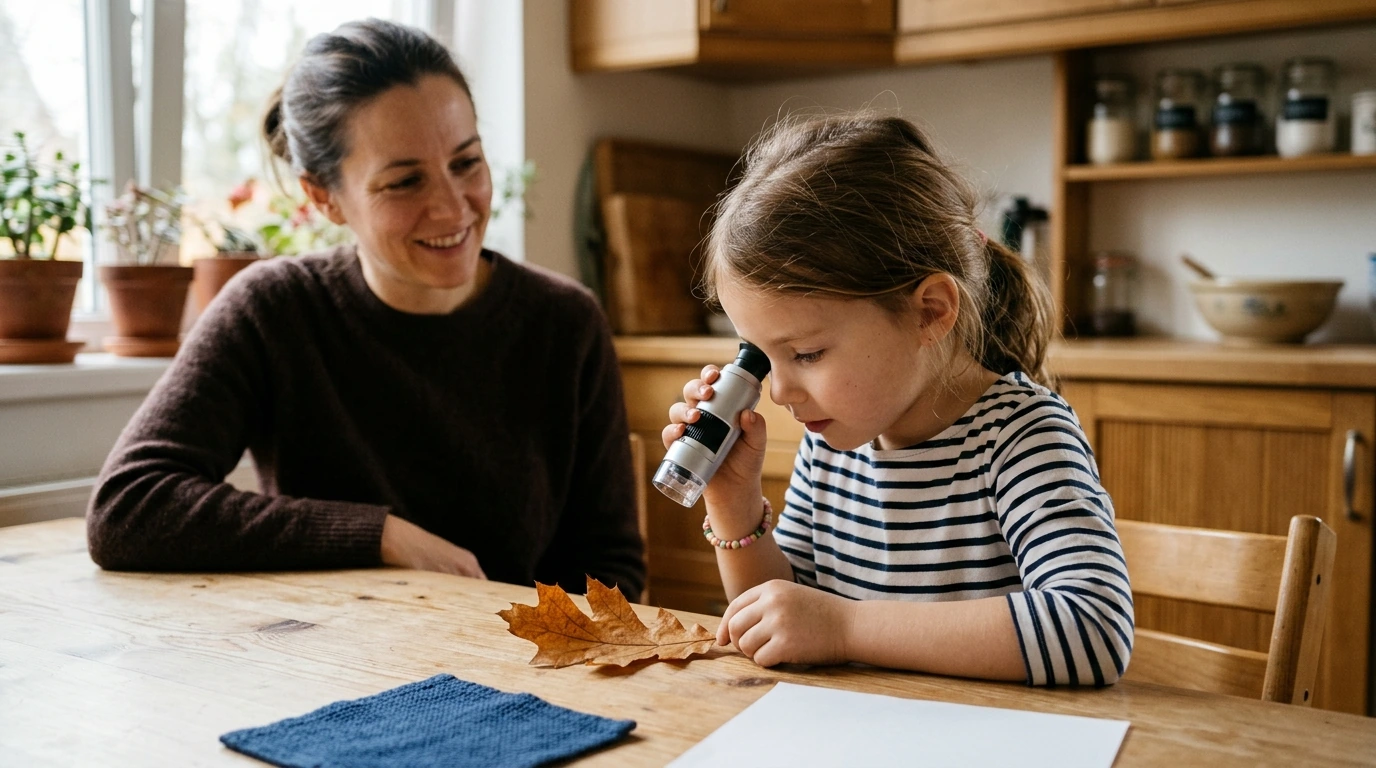
A closer look can turn an ordinary afternoon into a small adventure. A fallen leaf, a scrap of fabric, or a piece of paper may reveal patterns you haven’t noticed before. With a handheld microscope, you can follow your child’s curiosity around the house or bring an activity along on an outing. For more guidance, see Evaluation of Malaria Diagnoses Using a Handheld Light Microscope ….
We like to keep exploration simple: choose a safe object, take a look, and talk about what you notice together. There’s no need to have all the answers before you begin. For further reading, see Advice on microscopes for children.
A Closer Look at Everyday Things
Familiar objects are a good place to start because children already have an idea of how they look and feel. Seeing them up close offers a fresh perspective. The smooth-looking surface of paper, for example, can be compared with a piece of cardboard, while two fabrics may show different arrangements of threads.
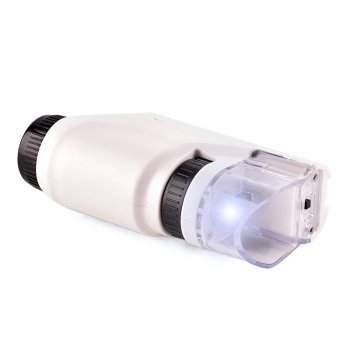
Our Children’s Portable Handheld Microscope offers a portable way to investigate these everyday details. Rather than focusing on a particular magnification level, invite your child to look for differences in texture, pattern, shape, and color.
You can make a simple prediction first: “Will these two pieces of fabric look the same up close?” Afterward, ask what surprised your child. The observation matters more than getting a particular result.
Ideas for a Mini Exploration
Gather a few ordinary objects with adult guidance and place them on a clean, dry surface. Start with just two or three choices so your child has time to look closely. Fallen leaves, paper, and fabric scraps are easy subjects for a relaxed comparison.
Choose specimens carefully. Avoid handling unknown plants, insects, or anything else that could be unsafe. An adult can select and prepare the objects before the activity begins.
| Object | What to look for | Exploration idea |
|---|---|---|
| Leaf | Lines and surface patterns | Compare two fallen leaves |
| Paper | Surface texture | Compare a sheet of paper with cardboard |
| Fabric | Threads and weave | Look at two different fabrics |
Once your child has looked at an object, offer paper and crayons for a quick sketch. The drawing doesn’t have to be exact; it can simply show the lines, shapes, or textures that stood out. You might also write down a few words your child uses to describe the object.
For more ideas for spending time outside together, visit the National Park Service’s resources for kids and youth. When exploring outdoors, leave unfamiliar living things where you find them and choose safe objects with an adult.
Making Observation Fun
Begin with something your child recognizes, such as a favorite shirt or a clean piece of paper. Ask open-ended questions: “What shapes do you see?” “Does one part look different from another?” or “How would you describe that pattern?” Give your child time to look before offering your own observations.
Side-by-side comparisons can also make the activity feel like a game. Look at two fabrics and talk about what is similar and what is different. Then switch to two pieces of paper. Your child can draw both objects, give each one a few descriptive words, or tell you which was more interesting to explore.
Keep the pace relaxed and let your child choose what to examine next from the safe options available. A few minutes of observation can be enough, and it’s fine to return to a favorite object another day.
If you enjoy making room for short activities in your family’s routine, our Ultimate Productivity Blueprint digital guide is another option to explore for goal setting and daily routines.
Simple Care and Supervision
Provide adult supervision suited to your child’s age and the activity. An adult can help choose objects, set up a comfortable viewing area, and guide children away from sharp, dirty, or otherwise hazardous items.
Keep the microscope and viewing area clean and dry, and follow any care instructions supplied with the product. Remind children never to look directly at the sun, and put the microscope away after the activity so it’s ready for another day of discovery.
Bring Curiosity Along
Whether you’re exploring at the kitchen table or taking a closer look during an outing, ordinary objects can inspire questions and conversation. You don’t need a complicated plan: a safe specimen, a little time, and an interest in noticing details are a good start.
You can view the Children’s Portable Handheld Microscope at Prestigal. It is listed at $14.67 USD, and our team hopes it helps you make space for more small discoveries together.
FAQ
What can children look at with a handheld microscope?
With adult guidance, children can explore safe, readily available objects such as fallen leaves, paper, cardboard, and fabric. Choose clean objects and avoid unknown plants, insects, and hazardous materials.
Can a handheld microscope be used outdoors?
Its portable handheld format makes it convenient to take along on an outing. Choose safe objects with an adult and keep the microscope dry.
How can adults help children explore with a microscope?
Provide age-appropriate supervision and ask simple questions about the shapes, textures, and patterns children notice. You can also encourage them to draw what they see or compare two similar objects.













Leave a comment