Backyard Vegetable Garden: Simple Steps to Start Fast
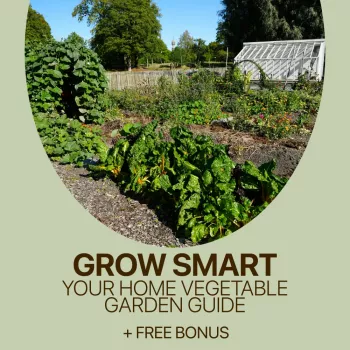
How to start a vegetable garden in your backyard
Starting a backyard vegetable garden is easiest when you keep the first season small, pick reliable crops, and match your plan to your space and sunlight. With a little setup, you can be harvesting fresh produce in just a few weeks.
1) Choose the right spot
Find an area that gets at least 6–8 hours of direct sun. Vegetables like tomatoes, peppers, cucumbers, and squash need strong light, while leafy greens can handle a bit less. Make sure the spot is close to a water source and has decent drainage so roots don’t sit in soggy soil.
2) Decide on beds, containers, or in-ground
Raised beds warm up faster in spring and help you control soil quality. Containers work well for patios and small yards, especially for herbs, lettuce, and peppers. In-ground beds can be productive too—just plan on improving the soil and keeping weeds in check.
3) Prep your soil for fast growth
Loosen the soil 8–12 inches deep and mix in compost to boost nutrients and texture. If your soil is very sandy or clay-heavy, compost is even more important. A simple soil test can guide you on pH and fertilizer needs, but compost is a strong start for most gardens.
4) Start with beginner-friendly vegetables
For quick wins, plant greens (lettuce, spinach), radishes, bush beans, zucchini, and cherry tomatoes. Choose varieties labeled “disease-resistant” when possible. Plant cool-season crops early, then transition to warm-season crops after the last frost date for your area.
5) Water, mulch, and maintain
Water deeply a few times per week rather than lightly every day, adjusting for heat and rainfall. Add mulch (straw, shredded leaves, or untreated grass clippings) to reduce weeds and keep moisture steady. Check plants weekly for pests and remove damaged leaves early.
For a step-by-step walkthrough, planting tips, and seasonal planning, visit the full guide here: https://prestigal.com/how-to-start-a-vegetable-garden-in-your-backyard/.
FAQ
What are the easiest vegetables to grow for beginners?
Leafy greens, radishes, bush beans, zucchini, and cherry tomatoes are dependable and forgiving. They germinate quickly, produce well, and help you learn watering and harvesting timing without much frustration.














Leave a comment