5 Fast Ways to Calm Anxiety in Minutes
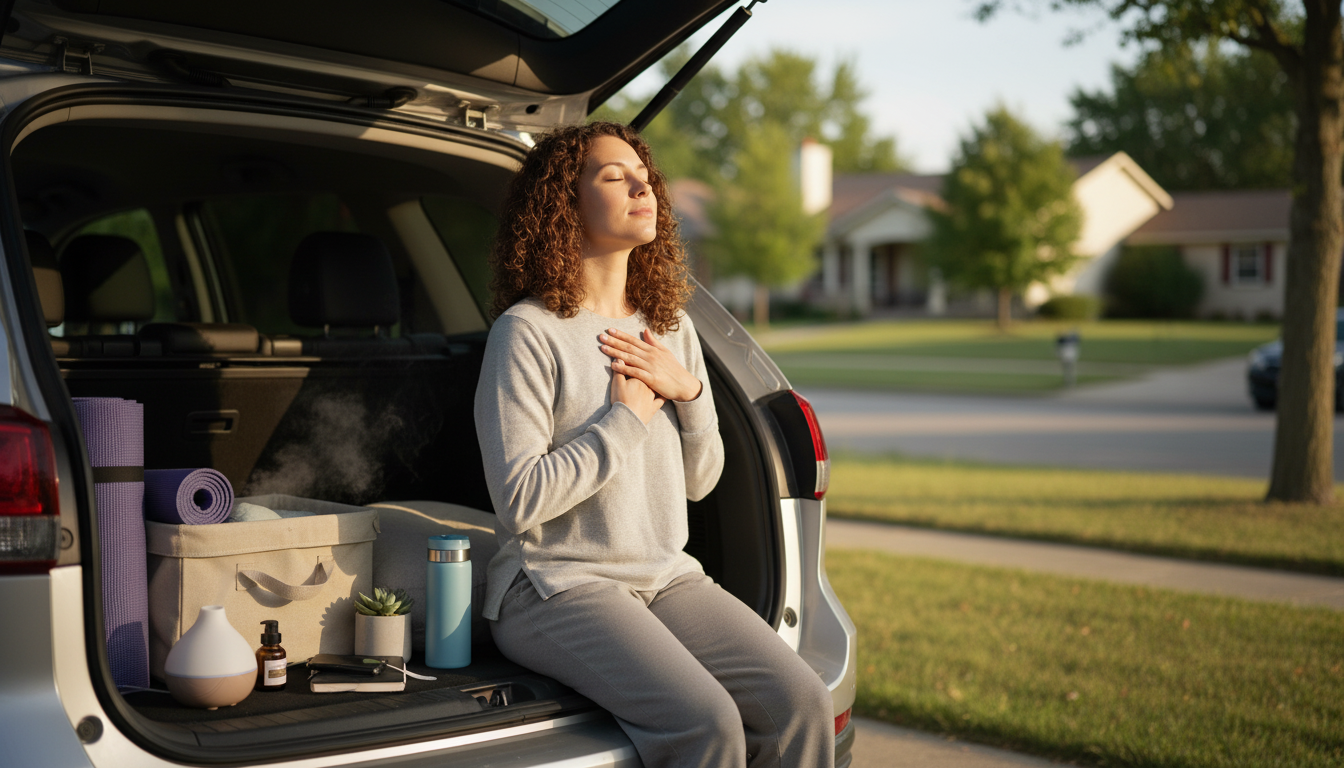
What calms anxiety quickly?
Fast anxiety relief usually comes from sending your nervous system a clear “you’re safe” signal. The quickest options combine steady breathing, grounding your senses, and relaxing muscle tension—often lowering the intensity within a few minutes. If symptoms are severe (chest pain, fainting, or feeling unsafe), seek urgent medical help right away.
1) Slow your breathing (2–5 minutes)
Try a simple rhythm: inhale through your nose for 4 seconds, exhale slowly for 6–8 seconds. Longer exhales help shift your body out of fight-or-flight. Keep your shoulders relaxed and breathe low into your belly rather than lifting your chest.
2) Ground your senses to stop the mental spiral
Use the 5-4-3-2-1 method: name 5 things you see, 4 you can feel, 3 you hear, 2 you smell, and 1 you taste. This redirects attention from racing thoughts to the present moment and can quickly reduce overwhelm.
3) Release tension with a quick body reset
Progressive muscle relaxation works fast: clench your fists for 5 seconds, then fully let go for 10 seconds. Repeat with shoulders, jaw, and legs. Pairing muscle release with slow exhales can quiet shaky, keyed-up sensations.
4) Use temperature to “reboot” your stress response
Splash cool water on your face or hold a cold pack wrapped in a towel on your cheeks for 20–30 seconds. Cooling the face can reduce the physical surge of anxiety and make the next calming step (breathing or grounding) easier.
5) Reduce stimulation and add a steadying cue
Step into a quieter space, lower bright lights, and choose one simple cue—like counting breaths or repeating a short phrase (“In this moment, I’m okay”). Small environmental changes can prevent anxiety from escalating.
For a practical set of calming tools you can rotate throughout the day—especially when you want options beyond “just breathe”—see the Daily Calm Toolkit guide.
FAQ
What are some long-term habits that reduce anxiety?
Consistent sleep, regular movement, balanced meals, and limiting caffeine and alcohol can lower baseline anxiety over time. Therapy skills like CBT, exposure strategies, or mindfulness training also help reduce how often anxiety spikes.











Leave a comment