Enriching a Cat Who Won’t Play: Easy, Stress-Free Ideas
How to enrich a cat that doesn’t play?
Some cats don’t “play” the way people expect—chasing toys, pouncing, or wrestling. That doesn’t mean they don’t need enrichment. The goal is to offer options that match your cat’s personality, energy level, and comfort zone, then make the activity feel safe, rewarding, and worth their effort.
Start with low-pressure enrichment (no pouncing required)
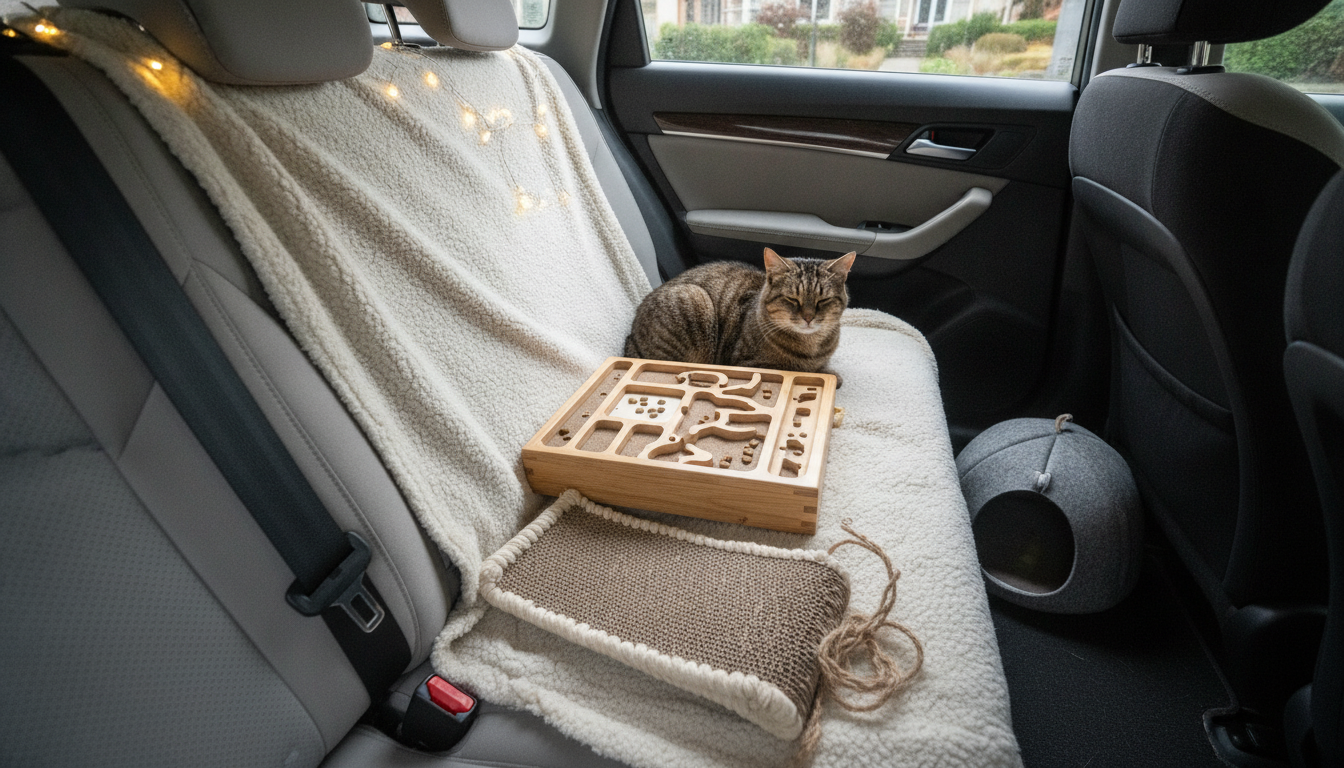
If your cat ignores wand toys or balls, try enrichment that doesn’t demand big movement. Set up a window perch for bird-watching, rotate cozy hiding spots (a covered bed, a box, a tunnel), and add vertical choices like a cat tree or sturdy shelves. Many “non-players” engage more when they can observe first and participate on their own terms.
Make food do the “work” of play
Food-based enrichment often succeeds where toys don’t. Use puzzle feeders, treat balls, lick mats, or a DIY “sniff hunt” by hiding a few pieces of kibble in easy-to-find spots. Start very simple so your cat wins quickly, then increase the challenge gradually. This builds confidence and encourages natural foraging behaviors.
Try different play styles and timing
Some cats prefer tiny, quiet “prey” movements close to the ground rather than fast, flashy action. Others prefer solo toys like kickers, crinkle items, or soft mice left in their favorite area. Keep sessions short (30–90 seconds), end before your cat disengages, and test different times—many cats are most interested at dawn/dusk or right before a meal.
Reduce stressors that shut play down
Pain, anxiety, or household tension can flatten play drive. If your cat has changed suddenly—less playful, hiding, grooming more, or acting irritable—schedule a vet check. At home, keep routines predictable, provide multiple litter boxes and resting zones, and ensure your cat can retreat without being followed by people or other pets.
For more ideas—DIY toys, play routines, and home upgrades—see the full guide: indoor cat enrichment tips and setup ideas.
FAQ
How often should you rotate cat toys and enrichment items?
Rotate a small set every few days and put the rest away. Bringing “old” items back after a week or two often makes them interesting again without buying more.














Leave a comment