Indoor Cat Enrichment Toys: Best Picks for Play & Brain
What are the best enrichment toys for indoor cats?
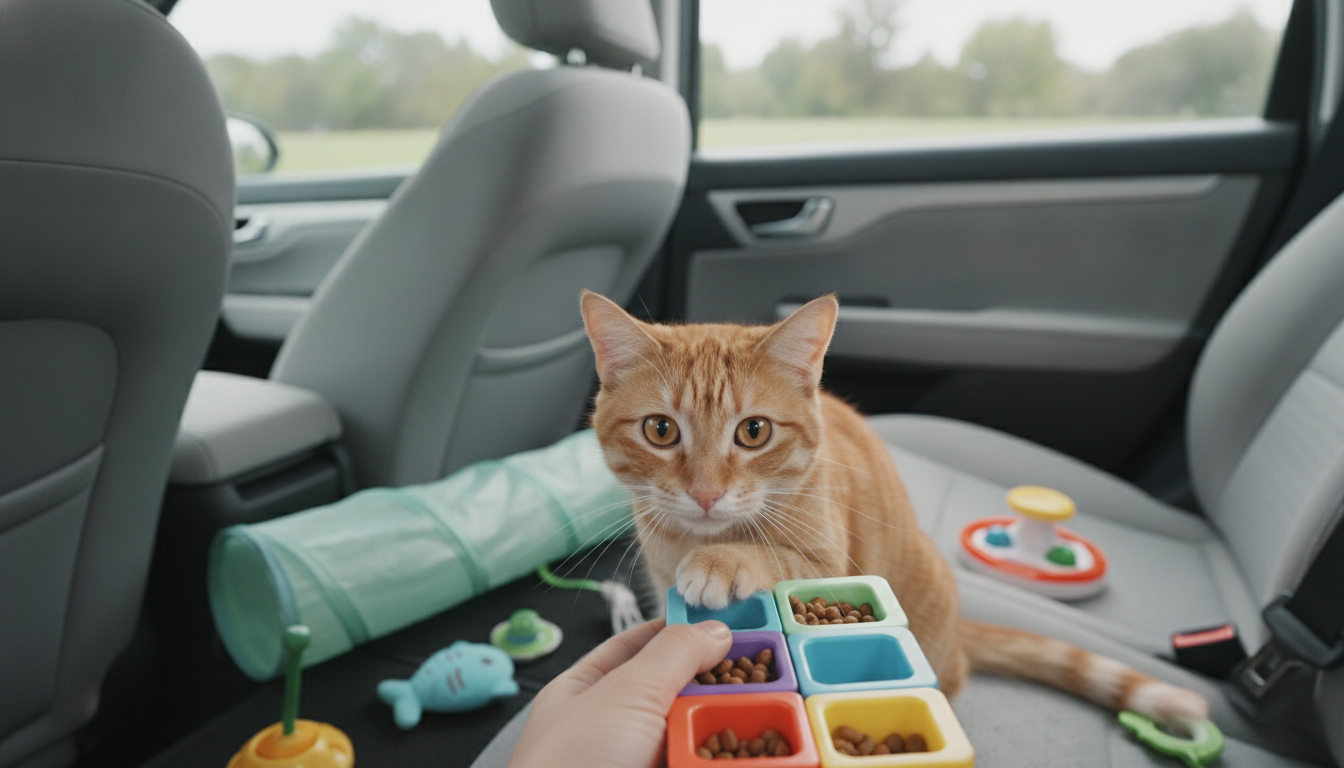
The best enrichment toys for indoor cats are the ones that let them hunt, climb, scratch, solve a problem, and “win” frequently enough to stay motivated. A strong mix usually includes interactive wand toys for shared play, puzzle feeders for solo brain work, and a few rotating “prey” toys that move or crinkle. Variety matters more than buying one expensive item—cats stay engaged when toys feel fresh and match their natural instincts.
Interactive wand toys (best for daily play)
Wand toys with feather, ribbon, or faux-fur attachments are top-tier because they mimic real prey and let a cat stalk, chase, and pounce. Choose a sturdy wand with a longer line so you can create quick darts, hiding motions, and “escape” routes around furniture. Swap attachments regularly and end sessions with a catch to prevent frustration.
Food puzzles and treat-dispensing toys (best for mental enrichment)
Puzzle feeders, lick mats, and rolling treat dispensers turn meals into a scavenger hunt. They slow fast eaters, reduce boredom, and provide an outlet for foraging behavior. Start easy so your cat succeeds quickly, then increase difficulty as they learn the mechanics.
Ball tracks, kickers, and crinkle toys (best for independent play)
Ball-track towers, crinkle tunnels, and plush “kicker” toys keep many cats entertained between play sessions. Kickers work especially well for cats that like bunny-kicking and wrestling; look for long, sturdy options that can handle claws. A small rotation—putting half the toys away for a week—often boosts interest more than adding new toys.
Cat trees, scratching posts, and window perches (best toy-adjacent upgrades)
Not all enrichment is a “toy.” A stable cat tree, multiple scratching surfaces (sisal and cardboard), and a secure window perch add climbing, stretching, and territory viewing—core daily needs for indoor cats. Place scratchers near favorite rest spots and in “traffic” areas for better use.
For more ideas on play routines, DIY options, and simple home upgrades, visit this indoor cat enrichment guide.
FAQ
How often should I rotate my cat’s toys?
Rotate every 7–14 days by putting most toys away and leaving out a small set. Bring back different toys later so they feel new again, and keep a couple favorites available for comfort.















Leave a comment