7 Critical Thinking Skills: Analysis to Self-Regulation
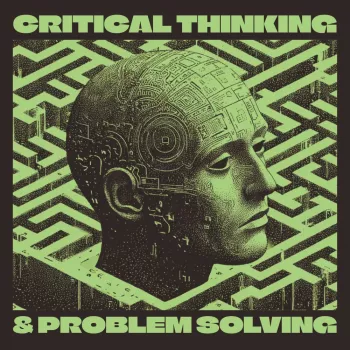
What are the 7 critical thinking skills?
The most widely recognized critical thinking skills are a set of habits that help you make sound decisions, spot weak arguments, and solve problems without relying on guesswork. Here are seven core skills that work together in real-world thinking.
1) Analysis
Analysis is the ability to break information into parts and notice how those parts relate. It includes identifying claims, evidence, assumptions, and patterns so you can see what’s actually being said (and what’s missing).
2) Interpretation
Interpretation means understanding and clarifying meaning. You translate data, experiences, and statements into a clear takeaway—such as what a trend suggests or what a policy implies in practice.
3) Inference
Inference is drawing reasonable conclusions from available information. Instead of jumping to certainty, you form the best explanation based on evidence, and you stay aware of alternative possibilities.
4) Evaluation
Evaluation is judging credibility and strength. You weigh sources, check logic, look for bias, and decide whether evidence truly supports a conclusion—or whether it only sounds convincing.
5) Explanation
Explanation is communicating your reasoning clearly. You can justify a decision, summarize the key evidence, and make your logic easy for others to follow (or challenge) without getting defensive.
6) Self-regulation (metacognition)
Self-regulation is monitoring your own thinking. It includes noticing emotional reactions, correcting mistakes, revising opinions when new facts appear, and deliberately slowing down when a decision feels rushed.
7) Problem-solving and synthesis
This skill combines ideas into workable options. You define the real problem, generate alternatives, test constraints, and choose an approach that fits the situation—often by integrating insights from multiple sources.
For more ways to sharpen these skills with practical exercises and brain teasers, see the full guide here: https://prestigal.com/guide-critical-thinking-ebook-smarter-decisions-brain-teasers/.
FAQ
How can I practice critical thinking daily?
Pick one decision per day and write down the claim, the evidence for it, and at least one alternative explanation. Then check whether your conclusion changes after you look for a credible counterpoint.















Leave a comment