2-Year-Old Nightmares: Causes and What to Do Tonight
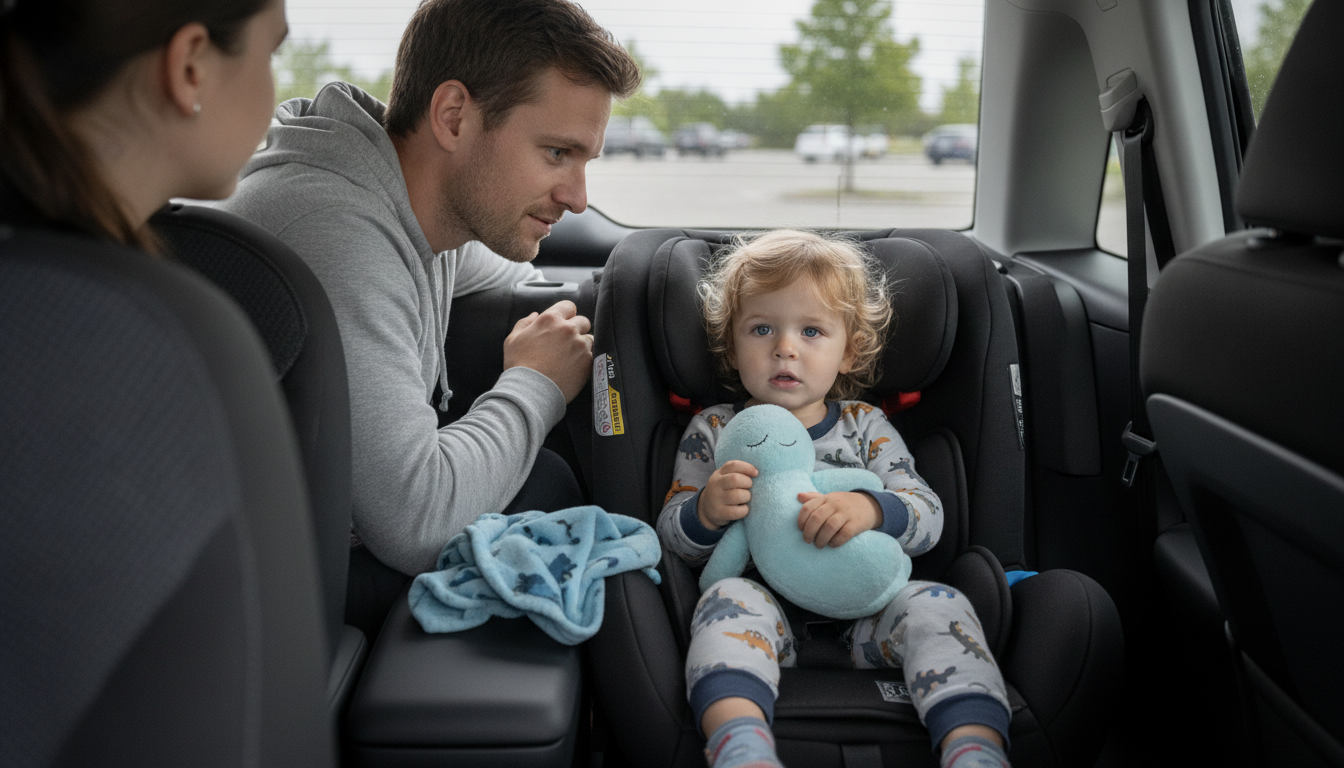
Why does my toddler have nightmares at 2 years old?
Answer
Nightmares at age 2 are common because your toddler’s brain is making big leaps in imagination, memory, and emotion. That growing ability to picture “what could happen” can spill into sleep, especially after a stimulating day, a new movie or story, or even an overheard conversation that felt scary.
At this age, separation anxiety can also peak. If your child is practicing independence during the day, bedtime can bring up worries that show up as bad dreams. Changes in routine—travel, a new daycare, potty training, a new sibling, moving rooms, or even a parent’s work schedule shift—can add stress that the body processes at night.
Another factor is overtiredness. When toddlers miss naps, go to bed late, or have inconsistent sleep schedules, they can spend more time in lighter sleep, where nightmares may be more frequent and easier to remember. Illness, fever, allergies, and some medications can also increase vivid dreams.
What to do when it happens: go in quickly, keep the lights low, and use a calm, steady voice. Offer brief comfort (“You’re safe. I’m here.”), help them settle back into bed, and avoid long discussions that can accidentally reinforce fear. The next day, you can gently name the feeling and reassure them, but try not to “replay” scary details at bedtime.
For a simple, repeatable approach that helps many families reduce wake-ups and rebuild a predictable bedtime rhythm, follow the step-by-step routine in this guide to toddler nightmares, a 10-minute rescue routine, and a 7-night reset.
For 2-Year-Old Nightmares: Causes and What to Do Tonight, the best answer depends on fit, material, care instructions, and how the product will be used day to day.
FAQ
How can I help my toddler go back to sleep after a nightmare?
Keep reassurance brief and consistent: a cuddle, a simple safety phrase, and back into bed. Offer a comfort item, keep the room dim, and avoid starting new habits (snacks, screens, long play) that make future wake-ups more likely.















Leave a comment