Future of Meta-Learning: Personalized, Faster Learning
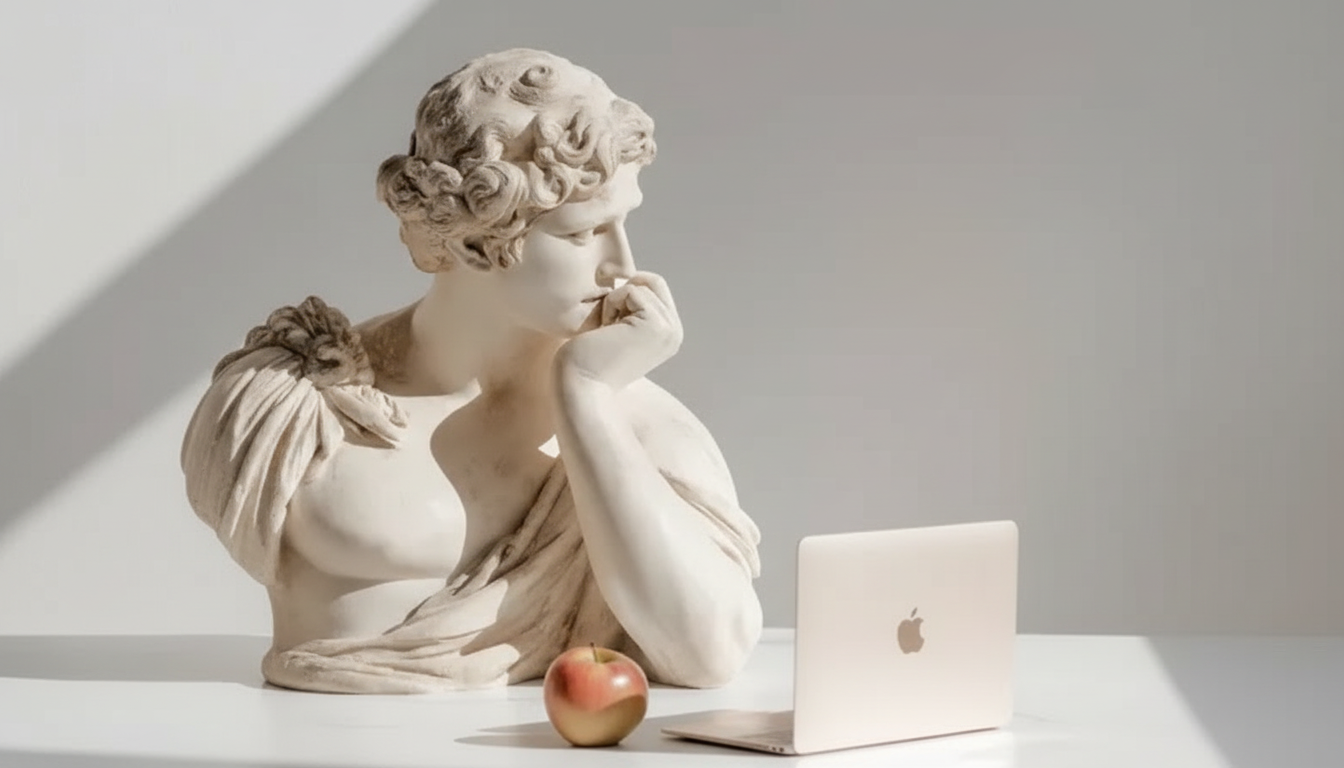
What is the future of meta-learning?
The future of meta-learning points toward learning systems that are more personalized, faster to adapt, and easier to transfer across subjects and real-world tasks. Instead of relying on one-size-fits-all study advice, meta-learning focuses on “learning how to learn”—the skills and feedback loops that help a person or system improve learning efficiency over time.
On the human side, meta-learning is likely to become more practical and measurable. As learners track what works—retrieval practice results, spacing intervals, error patterns, and attention conditions—study methods can be tuned to the individual rather than the average. This pushes the future toward dynamic study systems that adjust in real time: what to review next, how often to revisit it, and which practice format produces durable memory.
On the technology side, meta-learning in AI continues moving toward models that can adapt with fewer examples, switch domains with less retraining, and learn new tasks without forgetting old ones. That trend matters for education tools, too: tutoring apps and learning platforms can become better at diagnosing misunderstandings and choosing the next best activity, not just serving more content.
A key shift ahead is the integration of meta-learning with everyday workflows. Rather than “study mode” being separate from work, learners can expect more systems that embed reflection, testing, and spaced review into calendars, note apps, and project tools. The most useful approaches will stay lightweight—small routines that compound—while still being grounded in evidence-based mechanisms like retrieval, spacing, and interleaving.
For a practical framework on building a repeatable study system that emphasizes speed and long-term retention, see this guide to meta-learning and studying smarter.
FAQ
How do you start practicing meta-learning in daily study?
Begin by using short retrieval quizzes, spacing reviews over days, and keeping a simple log of what helped you remember versus what felt easy but didn’t stick. Adjust one variable at a time (timing, format, or difficulty) and keep what improves recall a week later.















Leave a comment