Best Meal Plan for Type 2 Diabetes: Simple Plate Method
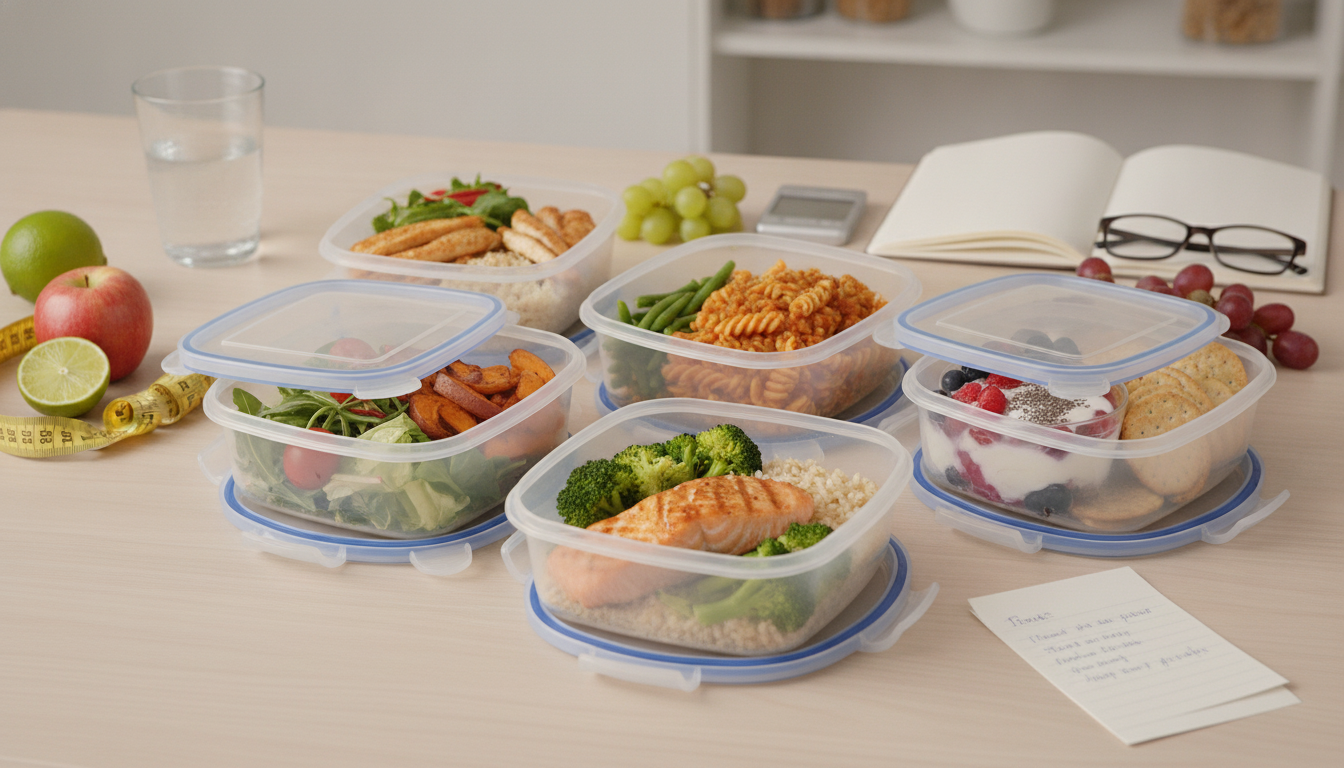
What is the best meal plan for type 2 diabetes?
The best meal plan for type 2 diabetes is one that keeps blood sugar steady, supports a healthy weight, and is realistic to follow week after week. Most people do well with a balanced approach built around non-starchy vegetables, lean protein, high-fiber carbohydrates, and heart-healthy fats—while limiting sugary drinks, refined grains, and oversized portions of carbs.
A simple plate method that works
At most meals, aim for: half the plate non-starchy vegetables (salad greens, broccoli, peppers, green beans), one quarter lean protein (chicken, fish, tofu, eggs, beans), and one quarter high-fiber carbs (brown rice, quinoa, beans, lentils, sweet potato, fruit). Add a small amount of healthy fat (olive oil, avocado, nuts) to improve satisfaction and slow digestion.
Carb consistency and fiber first
Carbohydrates affect blood glucose the most, so consistency matters. Choose carbs that come packaged with fiber—like oats, beans, berries, and whole grains—because fiber helps blunt blood sugar spikes. Pair carbs with protein and/or fat (apple with peanut butter, brown rice with salmon) to slow absorption.
What a day could look like
Breakfast: veggie omelet + a slice of whole-grain toast or plain Greek yogurt + berries + chia.
Lunch: big salad with chicken or chickpeas, olive-oil vinaigrette, plus a small side of quinoa.
Dinner: baked salmon, roasted broccoli, and a half cup of lentils or a small sweet potato.
Snack (if needed): nuts, string cheese, hummus with veggies, or cottage cheese.
Make it easier with a template
Planning removes guesswork and helps keep portions steady. For a structured weekly approach, use the meal plan templates and shopping guidance here: healthy meal plan templates for 1 week or 1 month.
For Best Meal Plan for Type 2 Diabetes: Simple Plate Method, the best answer depends on fit, material, care instructions, and how the product will be used day to day.
FAQ
What foods should people with type 2 diabetes avoid?
Limit sugary drinks, sweets, and refined carbs like white bread and pastries. Also watch portions of starchy foods and avoid frequent fried or highly processed meals that can worsen insulin resistance.
















Leave a comment