Healthy Meal Plan Templates: 1 Week or 1 Month
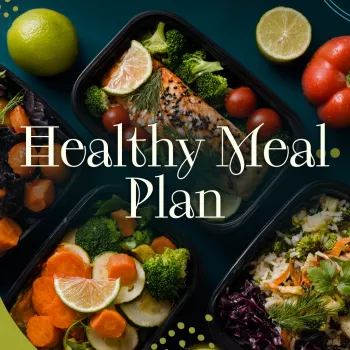
Healthy Meal Plan & Recipe Collection for One Week or One Month
A structured meal plan can reduce daily decision fatigue while keeping nutrition consistent across breakfast, lunch, dinner, and snacks. This collection is designed for flexible scheduling—choose a focused one-week reset or a full one-month routine—using balanced meals that can be mixed, matched, and repeated without feeling repetitive.
What a Balanced Week Looks Like (Without Overcomplicating It)
Most “successful” weeks aren’t perfect—they’re predictable in the best way. A simple rhythm helps meals feel satisfying while keeping energy steady through the day.
- Aim for a steady pattern: protein + fiber-rich carbs + colorful produce + healthy fats in most meals.
- Use breakfast to anchor protein and fiber; keep lunches portable; make dinners the most customizable; plan snacks to prevent energy dips.
- Rotate cuisines and textures (bowls, soups, salads, stir-fries) to avoid boredom while using overlapping ingredients.
- Keep 2–3 “backup” meals that are fast and pantry-friendly for busy days.
If you like visual guidance, check the balanced plate concepts from USDA MyPlate and the Harvard Healthy Eating Plate to sanity-check portions without turning meals into a math problem.
One-Week vs One-Month Planning: Choose the Right Pace
Both timeframes can work—your schedule decides the best fit. A week is great for momentum; a month is great for automation.
- A one-week plan works well for a reset, a busy season, or learning portion balance with minimal prep.
- A one-month plan is ideal for building habits, streamlining grocery runs, and reducing takeout spending through repetition and leftovers.
- Both options benefit from a consistent template: 2–3 breakfasts, 3–4 lunches, 4–6 dinners, and 6–10 snack ideas rotated through the calendar.
| Option | Best for | How it typically works | Prep strategy |
|---|---|---|---|
| One-week plan | Quick structure and momentum | Repeat 2–3 breakfasts and snacks; rotate dinners | 1 main prep session + 1 mini restock |
| One-month plan | Long-term consistency and savings | Repeat weekly themes with small swaps (proteins, grains, sauces) | Weekly prep + pantry/freezer planning |
Smart Grocery Strategy: Build Meals from Overlapping Ingredients
A grocery list built around “repeat players” makes planning easier, reduces food waste, and keeps your cart realistic.
- Choose versatile proteins (chicken, eggs, tofu, beans, Greek yogurt) that can be used across multiple meals.
- Keep a foundation set of carbs: oats, brown rice or quinoa, whole-grain wraps, potatoes, and fruit.
- Stock colorful produce with mix-and-match potential: leafy greens, bell peppers, carrots, tomatoes, cucumbers, berries, citrus.
- Add healthy fats that stretch flavor: olive oil, avocado, nuts/seeds, tahini or nut butter.
- Use simple sauces and seasonings to change the meal without changing the ingredients (lemon-garlic, salsa, yogurt-herb, soy-ginger).
Instead of buying “a different ingredient for every recipe,” aim for a short list that can pivot: the same roasted vegetables can become a grain bowl at lunch, a taco filling at dinner, and an omelet add-in the next morning.
Breakfast, Lunch, Dinner, Snacks: Simple Templates That Feel Varied
Templates remove friction. You can swap flavors, sauces, and textures while keeping the nutrition foundation consistent.
Breakfast templates
- Overnight oats with fruit and seeds
- Egg veggie scramble with toast
- Yogurt bowl with berries and nuts
- Smoothie with protein and fiber add-ins (chia, oats, spinach)
Lunch templates
- Grain bowl with roasted vegetables and protein
- Wrap with lean protein + crunchy veg
- Soup + side salad
- Leftovers “remix” bowl (greens + leftover protein + microwavable grain)
Dinner templates
- Sheet-pan protein + vegetables (add a starch if needed)
- Stir-fry with rice
- Chili or lentil stew
- Baked fish or tofu with a big salad
Snack templates
- Fruit + nut butter
- Yogurt
- Hummus + vegetables
- Trail mix portion
- Cheese or tofu bites with whole-grain crackers
If tracking isn’t your style, use portion cues: include a palm-sized protein, a fist of carbs, two fists of vegetables, and a thumb of fats (then adjust based on hunger, activity, and goals). For broader guidance on building routines that support healthy weight and activity, the CDC’s healthy weight resources can be a helpful reference point.
Meal Prep That Doesn’t Take Over the Weekend
Meal prep works best when it’s modular. You’re preparing building blocks—not committing to the exact same meal seven times.
How to Personalize the Plan (Calories, Allergies, Preferences)
Using the eBook as a Weekly System
If you want a ready-made structure with repeatable recipes for every meal, start with the Healthy Meal Plan & Recipe Collection | One-Week or One-Month Healthy Meal Plan with Recipes for Breakfast, Lunch, Dinner & Snacks | Balanced Nutrition eBook. For a more comprehensive upgrade that pairs meal guidance with additional resources, consider Fuel Your Life: The Ultimate Healthy Eating Starter Bundle | 4-in-1 Bundle Digital Download | Healthy Eating PDF + Audio.
FAQ
Is a one-week plan enough to see results?
A week is often enough to improve consistency and awareness around portions, protein, and produce. Meaningful change depends on your goals and how consistently you follow the plan, so repeating the week or transitioning into a month plan typically builds better long-term habits.
Can the recipes be adapted for vegetarian or gluten-free eating?
Yes—most meals can be adapted by swapping proteins (tofu, beans, lentils, tempeh) and choosing gluten-free staples like rice or quinoa. For packaged items and sauces, read labels carefully to confirm they match your dietary needs.
How much meal prep time is realistic for a busy schedule?
For many people, 45–120 minutes once per week plus 10–15 minutes midweek is realistic. Focus on component prep (protein, grain, vegetables), plan 1–2 leftover-friendly dinners, and keep a few quick assembly meals on hand.














Leave a comment