Healthiest Meal Plan: Simple Plate Rules That Work
What is the healthiest meal plan?
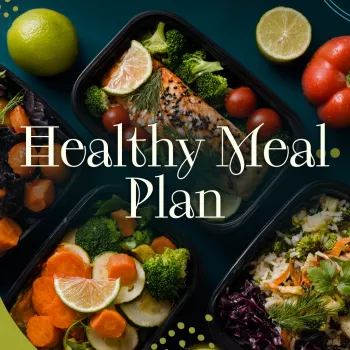
The healthiest meal plan is one you can follow consistently that delivers the nutrients your body needs while fitting your lifestyle, budget, and medical needs. In practice, that usually means a pattern built around minimally processed foods: plenty of vegetables and fruit, lean proteins, high-fiber carbohydrates, and healthy fats—plus enough total calories to support your goals and energy levels.
What “healthy” looks like on a plate
A simple way to structure meals is: half the plate non-starchy vegetables (greens, broccoli, peppers), a quarter lean protein (fish, chicken, beans, tofu, eggs), and a quarter high-fiber carbs (brown rice, oats, quinoa, potatoes, whole-grain pasta). Add a small portion of healthy fat (olive oil, avocado, nuts) and choose water or unsweetened beverages most of the time.
Nutrition basics that matter most
Prioritize protein and fiber at most meals to support fullness and stable energy. Aim for a variety of colors and food groups across the week to cover vitamins and minerals, and keep added sugars and heavily processed snacks as occasional extras. If you have high blood pressure, diabetes, kidney disease, food allergies, or are pregnant, the “healthiest” plan should be adjusted to match those needs.
How to make it sustainable
The healthiest plan won’t work if it’s too rigid. Build repeatable breakfasts and lunches, then rotate dinners so you don’t burn out. Keep “fallback” options on hand—like frozen vegetables, canned beans, pre-cooked grains, and canned fish—so you can still eat well on busy days.
For practical, ready-to-use weekly and monthly options, see these healthy meal plan templates for simple structure, shopping ideas, and flexible meal combinations.
FAQ
What are easy staples to keep on hand for healthy meals?
Stock a mix of proteins (eggs, Greek yogurt, beans, chicken, canned tuna), fiber-rich carbs (oats, brown rice, whole-grain bread), and produce (fresh plus frozen). Add flavor builders like salsa, olive oil, spices, and lemons to make quick meals taste better without relying on ultra-processed sauces.














Leave a comment