Does “Holistic” Mean “Whole”? A Simple Wellness Guide
Can holistic mean whole?
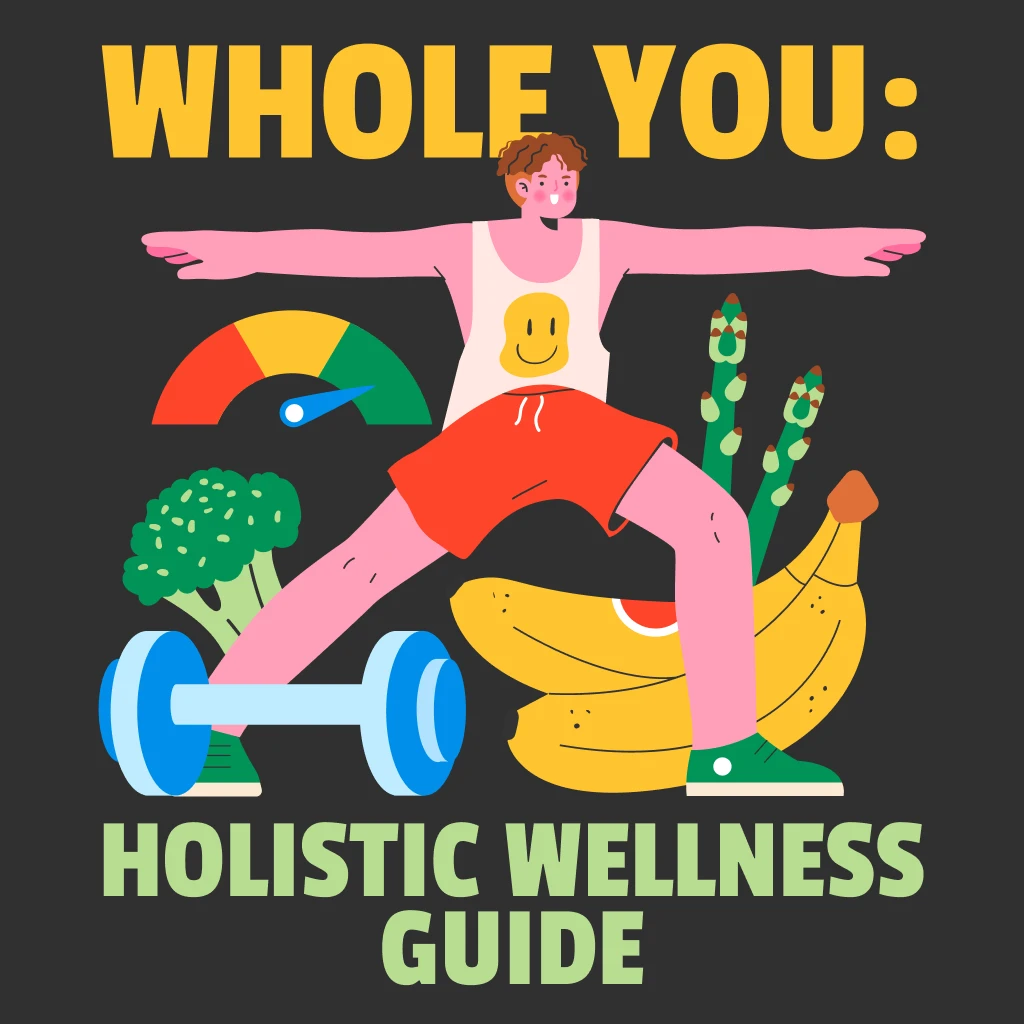
Yes. “Holistic” can mean “whole” in the sense that it looks at the entire person instead of isolating one symptom, one body part, or one habit. When you hear “holistic wellness,” think of a whole-body approach that considers how your daily choices connect—sleep, movement, nutrition, stress management, and environment—because each piece can influence the others.
What “whole” looks like in holistic wellness
In practical terms, “whole” means you’re not chasing quick fixes; you’re building a routine that supports your energy, mood, and resilience across the day. Our team often recommends starting with a few reliable anchors rather than overhauling everything at once. For example, pairing a consistent bedtime with light morning movement and simple hydration can create a ripple effect that makes other choices easier.
How to apply a “whole” approach without feeling overwhelmed
A holistic plan works best when it’s simple, repeatable, and realistic for your schedule. Choose one habit per area and keep it small:
- Sleep: a steady lights-out time most nights
- Movement: 10–20 minutes of walking or mobility work
- Nutrition: add one whole-food item daily (fruit, vegetables, beans)
- Stress: a two-minute breathing reset between tasks
- Environment: tidy one small zone to reduce background stress
To make this easier to follow, we put together a structured plan you can build on: our whole-body wellness beginner guide and 30-day habit plan.
Where products can support holistic “wholeness”
Products are most helpful when they remove friction from good habits. Think of supportive basics that help you stay consistent: a comfortable water bottle you’ll actually carry, a simple journal for habit tracking, or a gentle essential-oil-free moisturizer if fragrance triggers stress. Our goal is to help you pick tools that fit your routine, not create another complicated system.
FAQ
What is the difference between holistic and natural?
Holistic describes an approach that considers your whole lifestyle and how different factors work together. Natural refers to ingredients or materials, but it doesn’t automatically address the bigger picture of habits and routines.












Leave a comment