What Qualifies as Holistic Health? A Practical Checklist
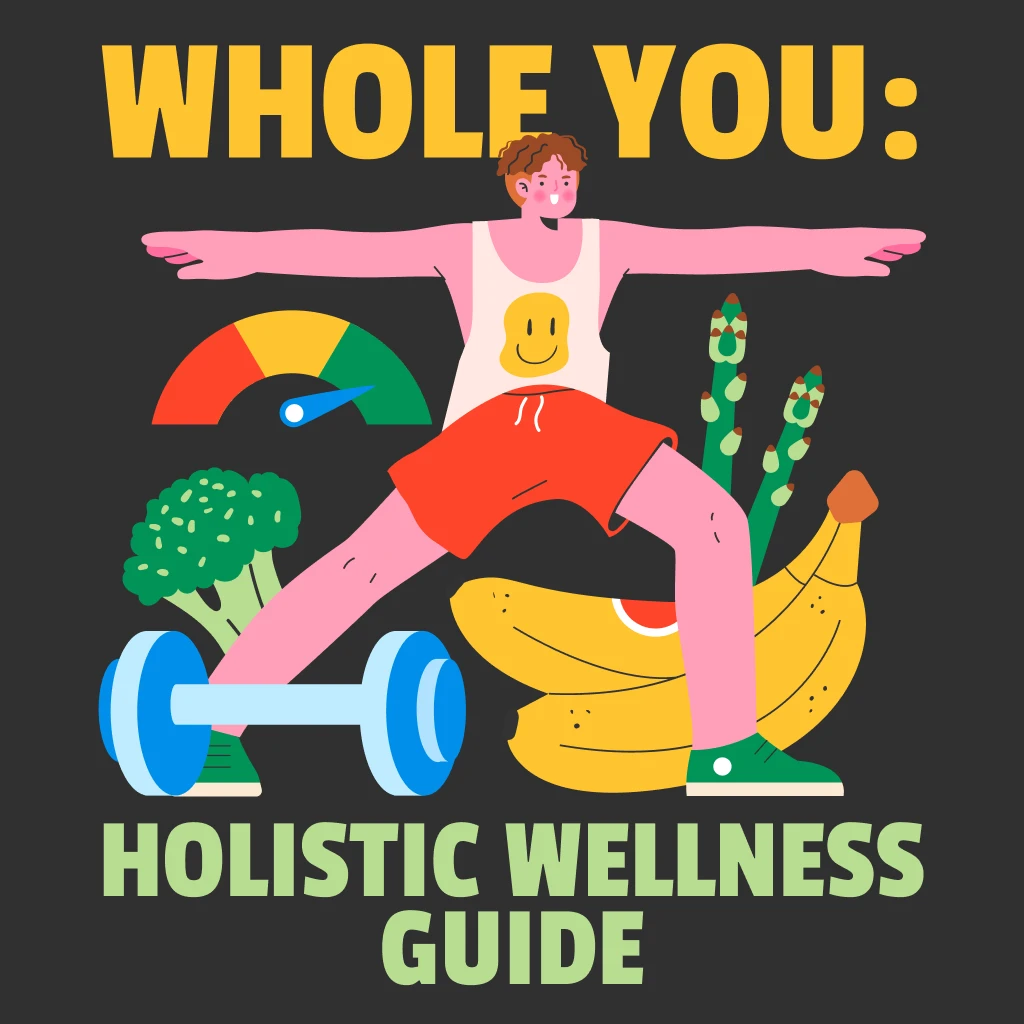
What qualifies as holistic health?
Holistic health qualifies as an approach to wellness that considers you as a whole person—body, mind, and daily environment—rather than treating symptoms in isolation. It looks at how your nutrition, movement, sleep quality, stress load, relationships, and habits interact, then supports steady improvements across those areas. Instead of a quick fix, holistic health focuses on consistent routines that help your systems work better together over time.
How our team defines “holistic” in practical terms
For something to qualify as holistic health, it should address at least a few core pillars of wellbeing and acknowledge the connections between them. Our team uses a simple lens: does the habit strengthen your foundation, reduce friction in your day, and support both physical and mental resilience?
1) Whole-body basics are covered
Holistic health includes everyday inputs—balanced meals, hydration, regular movement, restorative sleep, and basic self-care. These aren’t optional add-ons; they’re the baseline that supports energy, digestion, immune function, and mood.
2) Mind and stress are part of the plan
Holistic health qualifies when it includes stress regulation, emotional wellbeing, and mental clarity. That might mean breathing exercises, journaling, time outdoors, therapy, meditation, or simply setting boundaries so your nervous system gets a break.
3) Habits fit your real life
A holistic routine should be sustainable, measurable, and flexible. If a plan requires perfection or extreme restriction, it tends to backfire. Qualified holistic care adapts to your schedule, preferences, and current capacity—then builds from there.
4) Prevention and long-term support matter
Holistic health prioritizes prevention: building strength, improving recovery, and maintaining stable daily rhythms before problems escalate. It’s less about “fixing” and more about supporting your body’s ability to function well over time.
How to start building a holistic routine
If you want a step-by-step structure, follow our whole-body wellness habit plan for beginners. It lays out small, doable daily actions you can stack over 30 days: https://prestigal.com/guide-whole-body-wellness-for-beginners-30-day-habit-plan/.
FAQ
What are the pillars of holistic wellness?
Most holistic wellness models include nutrition, movement, sleep, stress management, and healthy relationships/environment. The key is improving more than one pillar so progress in one area supports the others.
















Leave a comment