Rainbow Clouds Dog Vest: Light Layer for Daily Walks
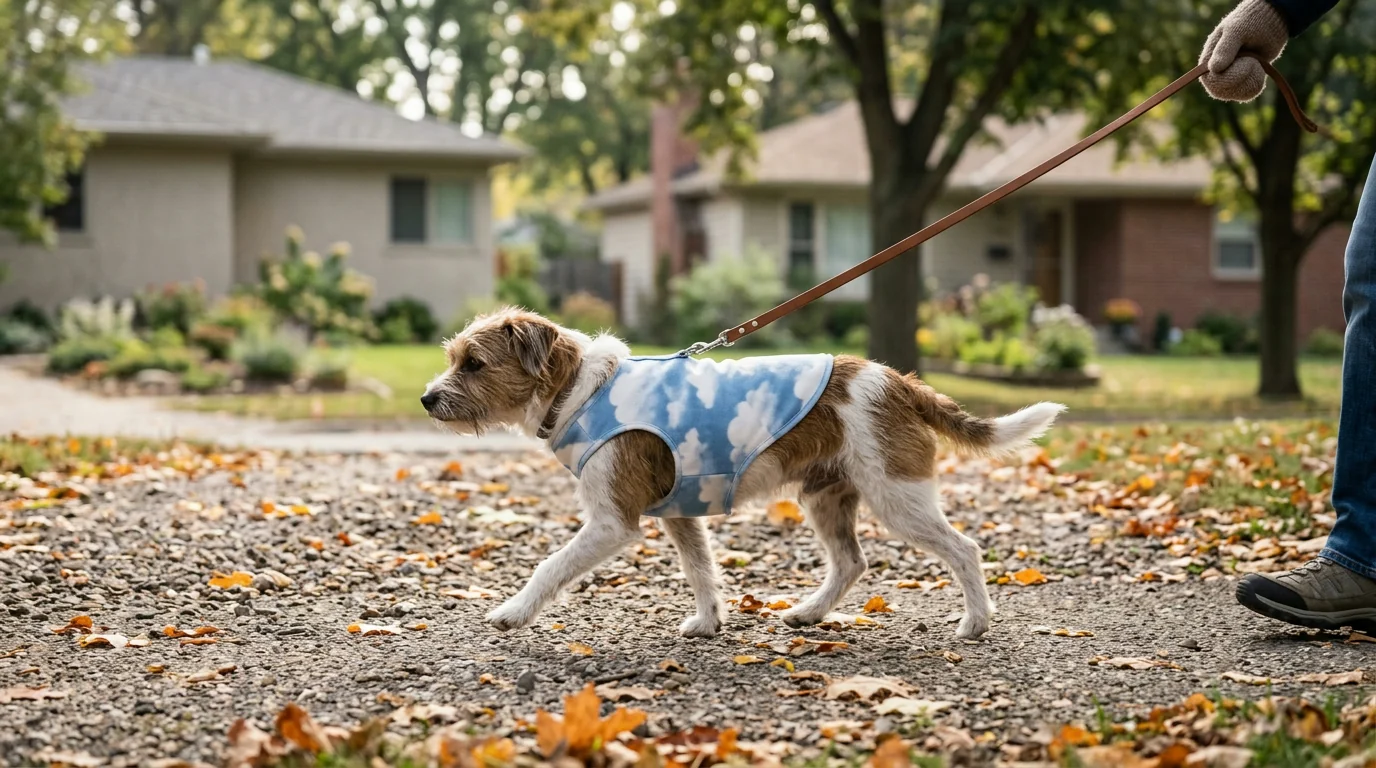
Rainbow Clouds Dog Vest: Everyday Comfort with a Pop of Color
The Rainbow Clouds Dog Vest is made for dogs who love their daily routine—walks, quick potty breaks, park time, and errands—while keeping things light, comfy, and easy to put on. It’s a simple way to add a cheerful look without getting in the way of movement, sniffing, or play. For more guidance, see 30+ Rainbow-Themed Pet Products to Celebrate Pride Month.
Our team likes this kind of “grab-and-go” layer for the in-between days when you don’t want a heavy coat, but you also don’t want your dog going out with zero coverage. The goal is straightforward: comfortable wear that supports normal movement and keeps the vibe bright. For further reading, see A Tribute to Four-Legged Friend Miss Choppy | News Article.
What this vest is great for
- Morning and evening walks when a little extra coverage feels better than going without
- Windy or brisk days where a full coat isn’t necessary
- Dogs who prefer lighter layers that don’t feel bulky
- Adding a fun, colorful look for photos, visits, or weekend outings
- Travel days: easy to pack, easy to slip on when stepping outside
If your dog tends to get “chilly but not freezing,” a light vest can be a comfortable middle ground. For true winter conditions, most dogs do better with warmer outerwear and shorter sessions outside. For seasonal safety guidance, you can reference cold-weather basics from the American Kennel Club or the ASPCA.
Fit comes first: a quick checklist before the first walk
A vest should stay put without squeezing. Before you head out, take one minute to confirm that your dog can breathe normally, move freely, and isn’t getting rubbed in high-friction spots (especially the armpits and chest).
- Check neck and chest fit: snug enough to stay in place, roomy enough for normal breathing and turning
- Confirm full shoulder movement: the vest shouldn’t rub the armpits or block the front legs
- Look at the belly/chest coverage: it should sit smoothly without bunching
- Do the “two-finger test” in key areas (neck/chest) for comfortable space
- Test indoors first: let your dog walk, sit, stretch, and lie down before heading outside
Comfort & fit check (fast and practical)
| Check | What to look for | If adjustment is needed |
|---|---|---|
| Neck area | Comfortable space; no choking or pressing | Size up or loosen if it’s tight or leaves marks |
| Chest/belly | Sits flat; no twisting when walking | Adjust or re-position so it doesn’t slide |
| Armpits/shoulders | No rubbing; front legs move freely | Try a different size if rubbing continues |
| Back length | Coverage without restricting the hips | If it rides up, consider a longer or better-fitting size |
| Movement test | Normal gait, no freezing or fussing | Recheck fit and introduce gradually indoors |
When to wear it (and when to skip it)
- Good choice for: cool walks, short outdoor breaks, casual day-to-day wear
- Skip it when: your dog is overheating (heavy panting, restlessness) or during high-heat/humidity conditions
- For very cold weather: treat this as a light layer and add warmth as needed (shorter walks, additional layers, or a warmer outer coat)
- For wet conditions: bring a dry backup; damp fabric can chill some dogs on breezy days
- Always prioritize comfort: if your dog shows irritation, rubbing, or reluctance to move, adjust or remove
One practical rule: if your dog feels warmer after a few minutes than they did at the door—especially during active play—do a quick check for panting and fussing, then lighten the layer if needed.
Easy routine: how to introduce a vest to a dog who’s unsure
Some dogs act like clothing is no big deal; others need a slower start. If your dog is hesitant, keep the first sessions short and positive so the vest becomes “normal” instead of a source of stress.
- Let your dog sniff the vest first; reward calm curiosity
- Put it on for short indoor sessions (1–3 minutes), then remove and reward
- Gradually increase wear time before using it on a full walk
- Pair it with a favorite activity (treat puzzle, leash time, quick stroll)
- Watch for stress signals: freezing, lip licking, hiding, or sudden scratching—go slower if needed
Care tips to keep it looking bright
- Shake off dirt after walks and spot-clean when possible to keep colors fresh
- If washing is needed: use a gentle cycle and mild detergent when appropriate
- Air-dry when possible to help preserve shape and prevent shrinkage
- Check fasteners and seams regularly, especially after active play
- Store dry and clean so it’s ready for the next outing
Making walks safer and calmer with the right setup
In-stock picks from our store
- Rainbow Clouds Dog Vest
- The Ultimate Productivity Blueprint | Digital Productivity Guide for Goal Setting, Time Management & Daily Routines
FAQ
How do you choose the right size for a dog vest?
Measure your dog’s chest (girth) and neck, then compare those numbers to the size chart and choose the size that fits the larger measurement. Once it’s on, use the two-finger comfort check at the neck and chest and confirm your dog’s shoulders and front legs move freely without rubbing.
Can a dog wear a vest all day?
Many dogs can wear a comfortable vest for longer stretches if they’re supervised and the fit doesn’t rub, but it’s smart to remove it if you see overheating, persistent scratching, or any irritation. For a new vest, start with short wear periods and build up only if your dog stays relaxed and comfortable.
Is a dog vest the same as a harness?
No—vests are clothing layers for coverage and comfort, while harnesses are built for leash attachment and handling. For walks, use a properly fitted collar or harness for the leash and treat the vest as a separate clothing layer.
















Leave a comment