Controlled-Pressure Mashing: Smooth Potatoes Faster
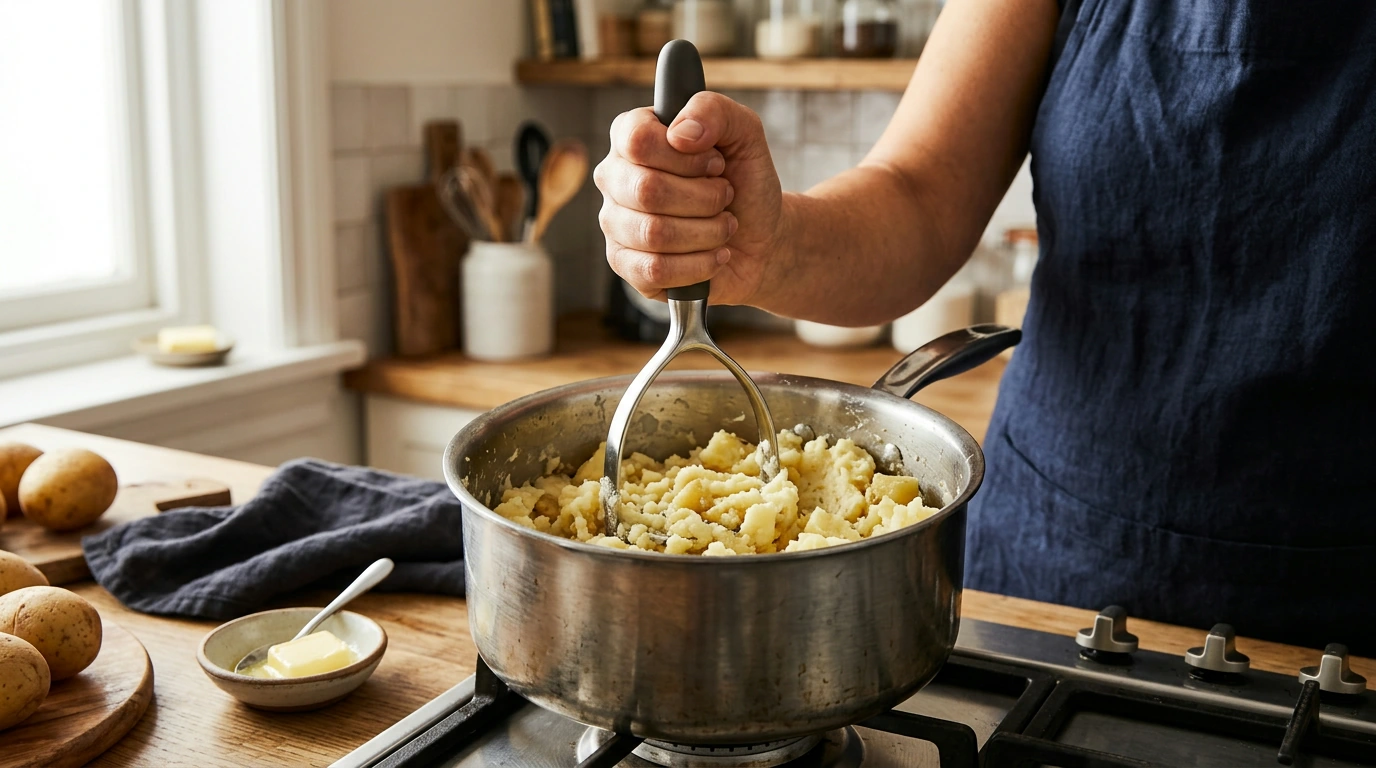
Creamy mash, fast: why controlled pressure matters
Creamy mashed potatoes, smashed sweet potatoes, rustic guacamole—good results come down to one thing: controlled pressure. When your tool stays rigid and your grip feels natural, you can press with confidence instead of wrestling a flimsy masher. Our team built this approach around everyday cooking: quick weeknight sides, meal-prep staples, and big-batch comfort food that still turns out the texture you want.
If you’re ready to upgrade a “good enough” utensil, start with our 316 Stainless Steel Potato Masher – Ergonomic Kitchen Gadget—a straightforward kitchen tool designed for steady pressing, fewer passes, and a more comfortable mashing rhythm.
What this masher is built to do (and why it matters)
- Create consistent mash with fewer passes, so potatoes don’t get overworked while you chase the last few lumps.
- Handle real kitchen loads: dense potatoes, sweet potatoes, root vegetables, and thicker mixes that can make lighter tools bend or chatter.
- Keep control with an ergonomic handle that supports a natural grip for pressing and gentle rocking.
- Stay dependable and non-fussy—a utensil you’ll actually keep within reach for everyday meals, not just holiday batches.
Ergonomic handling: comfort that shows up in the bowl
A comfortable grip isn’t a “nice-to-have” when you’re mashing a full pot. It’s what helps you keep pressure steady, maintain a clean motion, and avoid the hand fatigue that leads to uneven texture (or giving up and leaving bigger chunks than you wanted).
- A secure, comfortable grip helps maintain steady downward pressure—especially useful in deep pots where leverage matters.
- Better control supports even texture: press more for smooth mash, or use fewer strokes for rustic smashed potatoes.
- Less strain during repetitive prep: meal-prep sides, shepherd’s pie filling, or big family dinners.
- Works well with a “press + slight twist” motion to break up chunks without splashing.
Comfort and control cues for daily use
| Cooking task | Grip approach | Outcome |
|---|---|---|
| Classic mashed potatoes | Two-handed press (one on handle, one guiding) | Smooth, even mash with fewer lumps |
| Rustic smashed potatoes | Light press + short strokes | Chunkier texture without turning gummy |
| Sweet potatoes or yams | Steady downward pressure, slower rhythm | Creamy mash without arm fatigue |
| Avocado for guacamole | Gentle press, minimal strokes | Chunk control without over-puréeing |
| Beans (for spreads or dips) | Short presses along the bowl edge | Even smash with a thicker, hearty texture |
Why stainless steel makes a difference in a potato masher
When you’re pressing dense foods, material choice affects both the feel and the result. Stainless steel brings a few practical advantages you’ll notice right away:
- Strength and rigidity: pressing becomes more efficient when the tool doesn’t flex under load.
- Kitchen resilience: stainless steel tolerates heat and moisture better than many basic alternatives used around steaming pots.
- Clean-up friendliness: smooth metal surfaces typically rinse cleaner after starchy foods—especially if you rinse promptly.
- Neutral performance: stainless steel is widely used for flavor-neutral food contact, so your potatoes taste like potatoes.
How to get the texture you want (smooth, fluffy, or rustic)
A masher can’t fix undercooked potatoes or watery prep. But with the right steps, you can dial in the exact consistency you like.
Start with potatoes that are ready to mash
- Cook until truly tender (a fork should slide in easily).
- Drain well, then let them steam off briefly so excess moisture evaporates.
Use controlled strokes (and stop at the right moment)
- For smoother mash: mash first, then add warm butter/milk (or alternatives) gradually and fold until cohesive.
- For fluffier mash: avoid overworking; stop once lumps are gone and finish by gentle folding.
- For rustic mash: use fewer presses and leave small chunks for a hearty, home-style bite.
For nutrition context as you plan portions and ingredients, you can reference potato basics via USDA FoodData Central.
Beyond potatoes: everyday uses for a reliable masher
A sturdy masher earns its keep when you treat it like a general “soft-food crusher,” not a one-job gadget.
- Sweet potatoes, carrots, and other soft-cooked vegetables for bowls, soups, and sides.
- Smashed chickpeas or white beans for quick sandwich fillings and dips.
- Bananas for baking: fast mash for banana bread or pancakes without pulling out a blender.
- Berry compotes or cooked fruit: mash to adjust chunkiness for toppings and fillings.
- Egg salad shortcut: lightly mash boiled eggs before mixing to get a consistent chop-fast texture.
If you’re also tightening up your weekly menu planning, our Fuel Your Life: The Ultimate Healthy Eating Starter Bundle pairs well with practical tools like a masher—especially for meal-prep sides and simple, repeatable home cooking.
Care tips that keep it ready for the next meal
For general cooked-food handling reminders (cooling, storage, and safe kitchen habits), review the US FDA Food Safety Basics.
Featured picks from our store
- 316 Stainless Steel Potato Masher – Ergonomic Kitchen Gadget ($19.67)
- Fuel Your Life: The Ultimate Healthy Eating Starter Bundle ($109.99)
FAQ
Will a potato masher make potatoes gummy?
Gumminess usually comes from overworking potatoes, especially with high-speed mixing or excessive mashing. Use controlled presses, stop once the lumps are gone, and fold in warm dairy or fat gently.
Can this masher be used for sweet potatoes and other vegetables?
Yes—this style of masher works well for dense, soft-cooked vegetables like sweet potatoes, carrots, and other roots. Cook until tender, then mash in a deep pot or bowl so you can press steadily without splashing.
What’s the best way to clean a stainless steel potato masher after starchy foods?
Rinse it promptly so starch doesn’t dry onto the metal. Then wash with warm, soapy water and dry after washing for a clean finish.














Leave a comment