Windproof Vehicular Camping Tent: Plan Your Setup
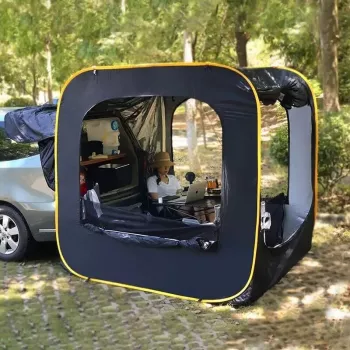
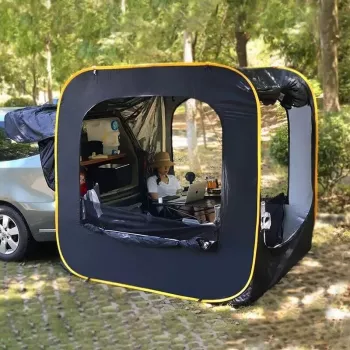
Camping beside your vehicle can make the move from driving to settling in feel simpler. Your supplies stay close, and camp can become a practical base for meals, rest, and the next day’s plans. Our Windproof Vehicular Camping Tent is an option for that style of trip. A comfortable setup, though, starts before you pitch it: with a suitable site, a confirmed vehicle fit, and a plan for changing weather.
Start With the Way You Camp
A vehicle-based campsite may suit road trips with several stops, vehicle-accessible campgrounds, or longer stays when you want supplies nearby. Instead of carrying everything to a hike-in site, you can keep some gear in your vehicle and bring out what you need for each part of the day.
That convenience depends on the location. Some campgrounds separate parking from tent areas, restrict where you may pitch a shelter, or offer too little space for the arrangement you have in mind. The tent’s name also does not establish that it attaches to every vehicle. Before buying, compare its current specifications and attachment requirements with your vehicle and the places you expect to camp.
Choose a Site Before You Unpack
Start with a permitted camping area and enough level ground for the tent’s full footprint. Leave room to move safely between the shelter and the parked vehicle, open the doors you need, and reach your gear without stepping into a road or neighboring site.
Look beyond the flattest patch of ground. An exposed ridgeline may take the brunt of a gust, while a low spot may collect rainwater. Check overhead for damaged or unstable branches, especially when breezy weather is expected. Keep the vehicle wherever campground rules allow, and never block a roadway or emergency access.
| Check | What to look for | Why it matters |
|---|---|---|
| Ground | A level, well-drained permitted tent area | Helps make setup and rest more comfortable |
| Exposure | A spot away from the most exposed ground | Can reduce direct exposure to gusts |
| Clearance | Room around the vehicle and tent | Leaves space to move and handle gear safely |
| Overhead hazards | No damaged or unstable branches above camp | Avoids a preventable hazard in windy weather |
Prepare for Wind Without Relying on a Label
“Windproof” is part of this tent’s name, not a guarantee that a tent is safe in severe weather. Wind conditions, the ground beneath your anchors, and correct setup all matter. Follow the supplied instructions, use every required anchor point, and check the tent’s tension after pitching it. Recheck the setup if conditions change.
Put away loose belongings before they can blow across camp, and monitor the forecast throughout your stay. The National Weather Service’s wind safety guidance can help you prepare for hazardous conditions. If weather makes the site unsafe, leave the tent and seek appropriate shelter; do not count on a product label to protect you.
Check the Fit for Your Vehicle and Routine
Before ordering the Windproof Vehicular Camping Tent, verify its stated vehicle compatibility, dimensions, attachment method, included components, and setup requirements. Your particular vehicle matters: doors, a rear hatch, and storage areas need to remain usable in the arrangement you plan. Measure the space available at your campsite, too, rather than considering only whether the tent can connect to the vehicle.
Our team recommends a practice setup before departure. It gives you time to learn the sequence, confirm that you have the necessary parts and accessories, and notice whether your planned walkways work. If you are traveling through multiple campgrounds, review each site’s parking and tent rules before assuming the same layout will work at every stop.
Make Camp Easy to Live In
Once the tent is pitched, place frequently used items where you can reach them without repeatedly rearranging the sleeping area. Keep a clear path to the vehicle, particularly if you expect to get gear after dark. A simple departure routine can also help on a multi-stop trip: put small items away, check that nothing is left around the anchors, and pack according to the tent’s instructions.
Keep cooking equipment and heat sources outside the tent, and follow campground fire rules. If organizing stops and daily plans is part of your preparation, our Ultimate Productivity Blueprint is a separate digital guide for goal setting, time management, and routines—not a substitute for campsite or weather guidance.
A good vehicle-side camp is one that works with your vehicle, your permitted site, and the conditions you actually face. Review the Windproof Vehicular Camping Tent’s current specifications, then decide whether it belongs in your setup.
FAQ
Will this tent work with any vehicle?
Do not assume universal compatibility. Compare the tent’s stated fit and attachment requirements with your specific vehicle before ordering.
Can a windproof vehicular camping tent be used in severe winds?
A windproof label is not a severe-weather safety guarantee. Follow the setup instructions and official weather guidance, and move to appropriate shelter if conditions become unsafe.
What should be checked before the first camping trip?
Confirm vehicle fit, dimensions, included parts, anchoring requirements, campsite rules, and the forecast. Complete a practice setup if possible.














Leave a comment