Modern Cat Tree for Large Cats: Condo, Hammock & Post
Modern cat comfort that actually gets used
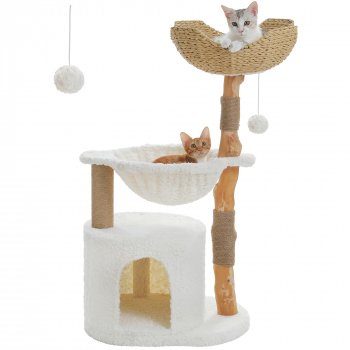
A cat tree should do more than fill a corner—it should give your cat a real routine: climb, scratch, nap, and tuck away when they want quiet. Our modern setup is designed to blend into a clean, intentional home aesthetic while still delivering the “must-haves” cats truly use: a private condo, a cradle-like hammock, and a dedicated scratching post that helps redirect claws away from furniture.
If you share your home with multiple cats, have a bigger cat that needs sturdier lounging space, or you’re simply trying to keep one area as the official “cat zone,” our Modern Cat Tree for Large Cats with Cozy Condo, Hammock & Scratching Post is a practical upgrade that supports everyday behavior instead of fighting it.
What this cat tree adds to daily cat life
- A complete mini-territory in one footprint: a place to hide, a place to lounge, and a place to scratch.
- Helps set boundaries—your cat gets a consistent “yes spot” for climbing and clawing, which can reduce wandering damage elsewhere.
- Encourages natural behaviors (climbing and stretching) that indoor cats often miss without vertical space.
- Creates a predictable nap rotation: enclosed condo for deeper rest, hammock for supervised lounging, and open surfaces for quick breaks.
That “one spot does it all” effect matters most in real life: when your cat has a reliable outlet, you spend less time correcting and more time reinforcing the habits you want. For background on why scratching is a normal need (not misbehavior), the ASPCA’s guide to scratching behavior is a helpful reference.
Cozy condo: privacy without isolating your cat
The enclosed condo supports cats that prefer covered rest—especially shy cats, senior cats, or cats adjusting to a new home. Instead of disappearing under your bed or behind furniture, your cat can choose a dedicated retreat that still feels like part of the household.
- A condo can reduce household friction by giving each cat a clear retreat option when they’ve had enough interaction.
- Positioning tip: place the tree so the condo entrance isn’t facing a busy hallway; that small change keeps the “safe space” feeling intact.
- Routine tip: toss a familiar blanket or a small pinch of catnip inside for the first few days to encourage adoption.
If you have more than one cat, the condo also becomes a pressure-release valve. One cat can take a quiet break while the other stays out in the “social zone,” which often prevents swatting matches over prime napping spots.
Hammock comfort: why cats love a suspended nap
A hammock offers gentle support that many cats choose for longer lounging sessions because it cradles the body. Cats that like to “sink in” rather than sprawl flat often treat the hammock as their default hangout once they trust it.
- Works especially well for cats that prefer a snug, supported rest.
- Placement tip: keep the hammock side away from drafty windows or a frequently used door so it stays a calm favorite.
- Maintenance tip: treat the hammock as the high-use zone—vacuum it frequently so fur buildup doesn’t become a deterrent.
Scratching post: a structured outlet for claws
If you’re also navigating claw-related decisions, the AVMA’s declawing policy explains why providing appropriate scratching outlets is an important part of humane, practical management.
Where it fits best: making it look intentional in a modern home
At-a-glance guide: which feature solves which problem
| Common need | Feature to prioritize | Simple setup tip |
|---|---|---|
| Cat wants privacy or hides under furniture | Cozy condo | Place the entrance away from foot traffic |
| Cat naps on chairs/blankets and leaves fur everywhere | Hammock lounge spot | Add a washable throw nearby to catch extra shedding |
| Scratches sofa corners or rug edges | Scratching post | Start near the problem area, then relocate gradually |
| Two cats competing for resting spots | Multiple rest zones (condo + hammock) | Introduce with treats so both explore at the same time |
| Indoor cat lacks activity | Climbing + lounging routine | Rotate toys near the base to encourage daily use |
Care, cleaning, and keeping it a long-term favorite
If you like systems, a simple routine tracker can help you stay consistent for the first couple weeks (that’s usually when habits lock in). Our team uses short, repeatable cues—reward after scratching, calm praise for condo naps, and a quick play session near the base. If you want a structured way to build routines at home, The Ultimate Productivity Blueprint is an easy reference for creating repeatable daily check-ins—useful whether your “goal” is fewer couch scratches or more enrichment time.
Recommended picks from our store
- Modern Cat Tree for Large Cats with Cozy Condo, Hammock & Scratching Post
- The Ultimate Productivity Blueprint | Digital Productivity Guide for Goal Setting, Time Management & Daily Routines
FAQ
Is this cat tree suitable for large cats?
Yes—this setup is designed with larger cats in mind, and it works best when you place it on a flat, stable surface so your cat feels secure using the hammock and condo. For the smoothest start, introduce it in a calmer area first, then move it to your ideal location once your cat is confidently using it.
How do you get a cat to use the scratching post instead of the couch?
Place the tree right next to the couch corner for a week, add a small amount of catnip or a pheromone spray to the post, and reward every use. Temporarily block or cover the favorite couch-scratching spot, then slowly shift the tree toward the final placement once the post becomes the habit.
Where should a cat tree be placed for the most use?
Put it in a social-but-not-busy room where your cat already likes to relax, ideally near a window, and away from drafty vents or loud appliances. Starting near your cat’s current favorite lounging area usually increases adoption quickly.















Leave a comment