Use a Conversation Starter Guide on a First Date Naturally

How do you use a conversation starter guide on a first date without it feeling scripted?
Treat a conversation starter guide like a menu, not a script. Before the date, skim it once and pick 3–5 prompts that naturally match the vibe you want (light, curious, a little deeper). Then forget the wording and keep only the “direction” in mind—stories, values, fun hypotheticals, or future plans.
On the date, wait for a real opening. If they mention travel, you can pivot into a guide-style prompt without announcing it: “That’s awesome—what made that trip memorable for you?” If they talk about work, try a meaning-based angle: “What part of your job feels most satisfying?” The goal is to sound like you’re responding to them, not launching a pre-planned question.
Keep it natural with these quick rules
Use one question, then follow-up. Scripted conversations feel like rapid-fire interviews. Ask one thoughtful question, listen, and then ask a follow-up that proves you heard them: “You said you love that because it’s creative—what kind of projects light you up most?”
Let the guide help you recover, not perform. If there’s a lull, don’t panic. Smile, take a sip, and bring out a simple prompt that fits the moment: “Okay, random question—what’s something you’re currently excited about?”
Match depth to comfort. Start lighter and earn the deeper topics. If they’re giving short answers, switch to easier prompts (favorites, fun plans, low-stakes opinions). If they’re opening up, you can go a layer deeper (values, proud moments, meaningful relationships).
Share too. A guide works best when it sparks a two-way exchange. After they answer, add your own quick story to keep things balanced and warm.
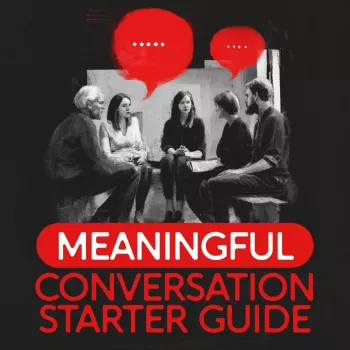
For more flexible, non-cringey prompts you can adapt in the moment, see this guide to meaningful conversation starters.
FAQ
What are some good follow-up questions to keep a date conversation flowing?
Use follow-ups that pull for detail: “What made you choose that?” “How did that change your perspective?” and “What was the best part?” They feel natural because they build directly on what the other person just shared.











Leave a comment