Dog Road Trip Limits: How Many Hours Can They Travel?
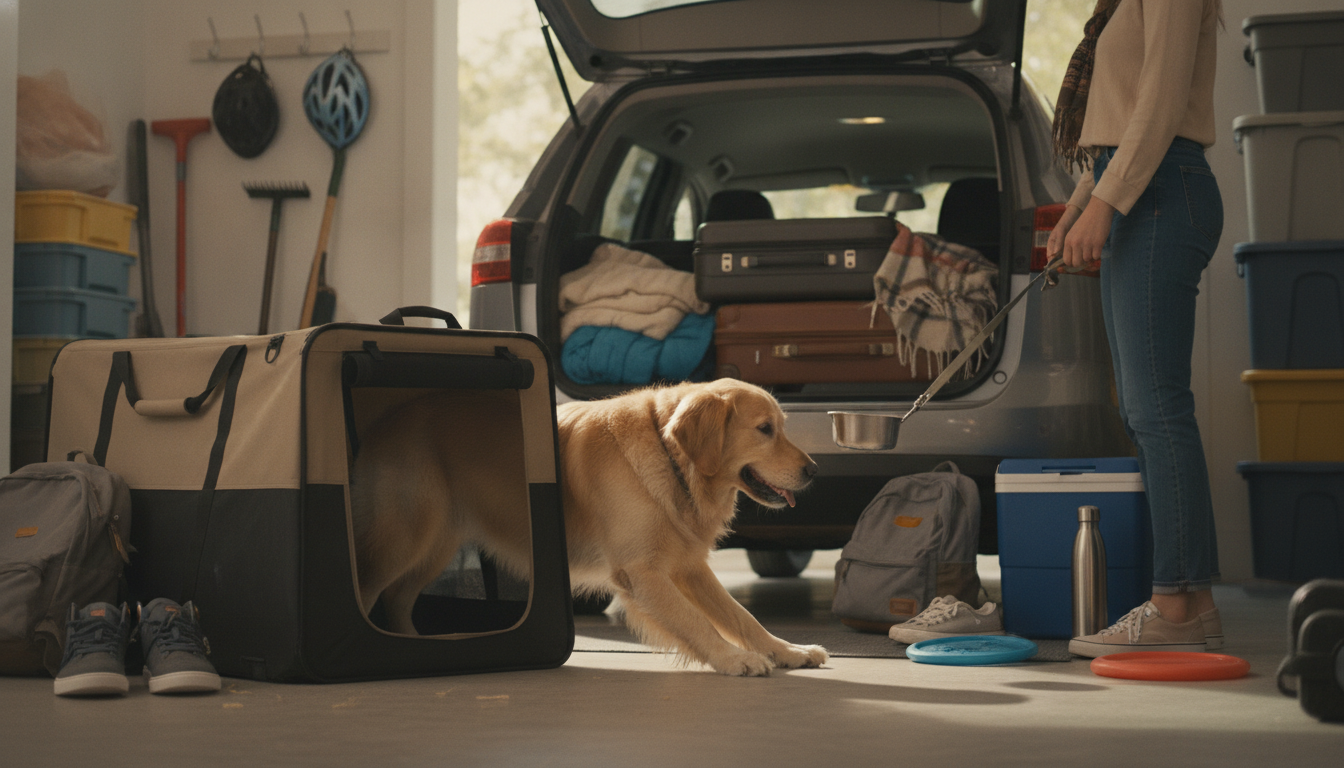
How long can a dog go on a road trip?
Most healthy adult dogs can handle a full-day drive as long as the trip is broken into manageable segments with regular stops. A practical guideline is to plan a break every 2–3 hours for a short walk, water, and a chance to relieve themselves. Many dogs can comfortably travel 6–10 hours in a day when you build in those pauses and keep the car environment calm and temperature-controlled.
What affects how long your dog can travel?
Road-trip stamina varies widely. Age and health matter most: puppies have smaller bladders and need more frequent potty breaks, while senior dogs or dogs with medical conditions may need shorter driving days and extra comfort planning. Temperament plays a role too—anxious or motion-sensitive dogs often do better with shorter stretches between stops and more time to decompress. Weather and vehicle comfort also count; overheating risk rises quickly in warm conditions, so consistent airflow and safe temperatures are essential.
How to plan a “long day” of driving with a dog
If you’re aiming for a longer day on the road, structure the schedule around your dog instead of the mileage. Start with a potty break right before departure, then stop every couple of hours for a 10–20 minute reset. Offer small amounts of water at each stop and keep meals lighter than usual to reduce nausea. When you arrive for the night, give your dog a longer walk and time to settle before bedtime.
Signs your dog has had enough for the day
End the driving day early if you notice repeated drooling, vomiting, whining that doesn’t improve after breaks, refusal to drink, or unusual lethargy. Restlessness, panting that doesn’t match the temperature, or reluctance to get back into the car can also signal stress or discomfort. When in doubt, shorten the day and prioritize recovery time.
For a practical packing list and step-by-step prep, use this pet travel checklist: Pet Travel Essentials Road Trip Checklist for Dogs and Cats.
FAQ
What should I pack for a dog road trip?
Bring water, a bowl, leash and waste bags, any medications, food and treats, and a few cleaning supplies for accidents. Also pack your dog’s ID info and vet contact details in case you need help on the road.
















Leave a comment