Pet Travel Essentials: Road Trip Checklist for Dogs & Cats
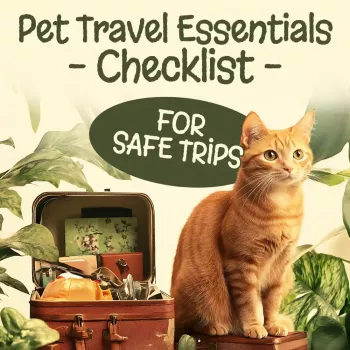
A calm, safe trip with a dog or cat comes down to planning: the right paperwork, the right gear, and a routine that reduces stress. Use the steps below to prep for road trips and vacations, then pack from the checklists so your pet’s essentials stay easy to find from departure to arrival.
Before You Book: Quick Safety Checks That Prevent Travel Problems
Most travel hiccups aren’t random—they’re preventable. A few quick checks early can save you from last-minute cancellations, denied lodging, or a stressful drive.
- Confirm health status with a veterinarian, especially for seniors, brachycephalic breeds, and pets with heart or respiratory conditions.
- Verify destination rules early: lodging pet policies, leash laws, and local hazards (heat, wildlife, ticks), plus any required documentation.
- Update ID: a collar tag with your current phone number, plus microchip registration details and a recent photo saved on your phone.
- Check car safety gear: confirm crate or seat-belt harness fit and ventilation; for cats, use a secure carrier that can be buckled in.
- Plan for climate: hot weather raises heatstroke and burned-paw risk; cold weather can increase hypothermia risk and changes what you pack and when you drive.
For general guidance on safe pet travel, the American Veterinary Medical Association (AVMA) offers practical considerations for both car and air travel.
Vet, Paperwork, and Identification Essentials
When you’re away from home, documentation and medical notes help you move faster and stay calmer—especially if a pet gets sick, you need a refill, or a host requests records at check-in.
- Carry vaccination records (including rabies). Some boarding facilities and rentals request proof.
- Ask about parasite prevention suited to your destination (fleas/ticks/heartworm), particularly for hikes and wooded areas.
- Bring medication details: names, doses, and timing, plus your veterinarian’s contact info and a nearby emergency clinic at your destination.
- Check health certificate rules if you’re flying or traveling to a destination that requires one (timing windows can be strict).
- Pack a “medical notes” card: allergies, chronic conditions, microchip number, and behavior notes (fearful, reactive, escape risk).
Travel Documents & ID: What to Carry
| Item | Why it matters | Where to keep it |
|---|---|---|
| Rabies & vaccine records | May be required by lodging, boarding, or local regulations | Printed copy + phone photo |
| Medication list & vet contacts | Faster help if meds are lost or symptoms appear | Planner pouch or glove compartment (sealed) |
| Microchip info + recent photo | Helps recovery if separated | Wallet card + cloud storage |
| Emergency clinic address | Reduces panic and delays during urgent situations | Phone notes + printed slip |
If your plans include crossing borders or specific destination requirements, check the USDA APHIS pet travel portal for official guidance.
Road Trip Setup: Car Safety, Comfort, and Stress Reduction
A smooth drive is less about “tiring them out” and more about building a predictable, secure setup that keeps your pet contained, comfortable, and cool.
- Secure travel every time: use a crash-tested crate (when possible) or a properly fitted seat-belt harness; never allow free-roaming in the vehicle.
- Reduce motion sickness: avoid a large meal right before you leave; ask a veterinarian about safe options if nausea is a pattern.
- Plan breaks realistically: schedule water and potty stops and short decompression walks for dogs; for cats, keep the carrier secured and offer water during calm stops.
- Control temperature: never leave pets unattended in a parked car; use window shades and confirm airflow to the back seat.
- Make a familiar “travel zone”: bring a blanket that smells like home and keep the cabin noise low for anxious pets.
Packing List: Food, Water, Cleaning, and Daily Routine Items
Daily routine items are the difference between “we forgot something” and a trip that still feels normal to your pet.
- Food and feeding routine: pack enough for the full trip plus 2–3 extra days. Sudden diet changes can trigger GI upset.
- Water strategy: bring bottled or familiar water when possible, plus a portable bowl and a backup bottle for hikes or long drives.
- Waste and cleanup: poop bags (dogs), disposable gloves, paper towels, enzymatic cleaner, and a small trash bag roll.
- Litter and cat needs: travel litter box or disposable tray, litter scoop, and familiar litter to reduce refusal.
- Comfort and routine: bed or mat, favorite toy, vet-approved calming aids, and grooming basics for shedding and burrs.
Safety Kit: First Aid, Prevention, and “Just in Case” Gear
Think of a travel safety kit as “small problems stay small.” Keep it compact, clearly labeled, and separate from daily items so it’s easy to grab quickly.
Checklists by Pet Type: Dogs vs. Cats (What Changes)
A Simple Timeline: When to Pack What
Printable Planner: Keeping Everything Organized From Packing to Arrival
For an organized, ready-to-print format, see the
Printable Pet Travel Essentials Checklist and Planner.
If you like extra structure for checklists and routines beyond travel days, the
Study Skills Mastery Guide
can also be repurposed for planning templates and habit tracking.
FAQ
What are the most important pet travel essentials for a road trip?
Prioritize safe restraint (crate or harness), updated ID (tag plus microchip info), water and bowls, food for the full trip plus extra, waste/cleanup supplies, key documents, and a small first-aid kit. Add species-specific items like litter and a secure carrier setup for cats.
How do you keep a cat calm during travel?
Use a secure, buckled-in carrier in a quiet, temperature-controlled car and add a familiar blanket for scent comfort. Handle the carrier as little as possible, then set up a safe room immediately on arrival; consult a veterinarian before using any calming aids.
How often should dogs take breaks on long drives?
Many dogs do well with breaks every 2–3 hours for water and a short leashed walk. Adjust based on age, heat, and medical needs, and choose safe, low-traffic stop areas.














Leave a comment