Vitamin E and Skin Lightening: What It Really Does
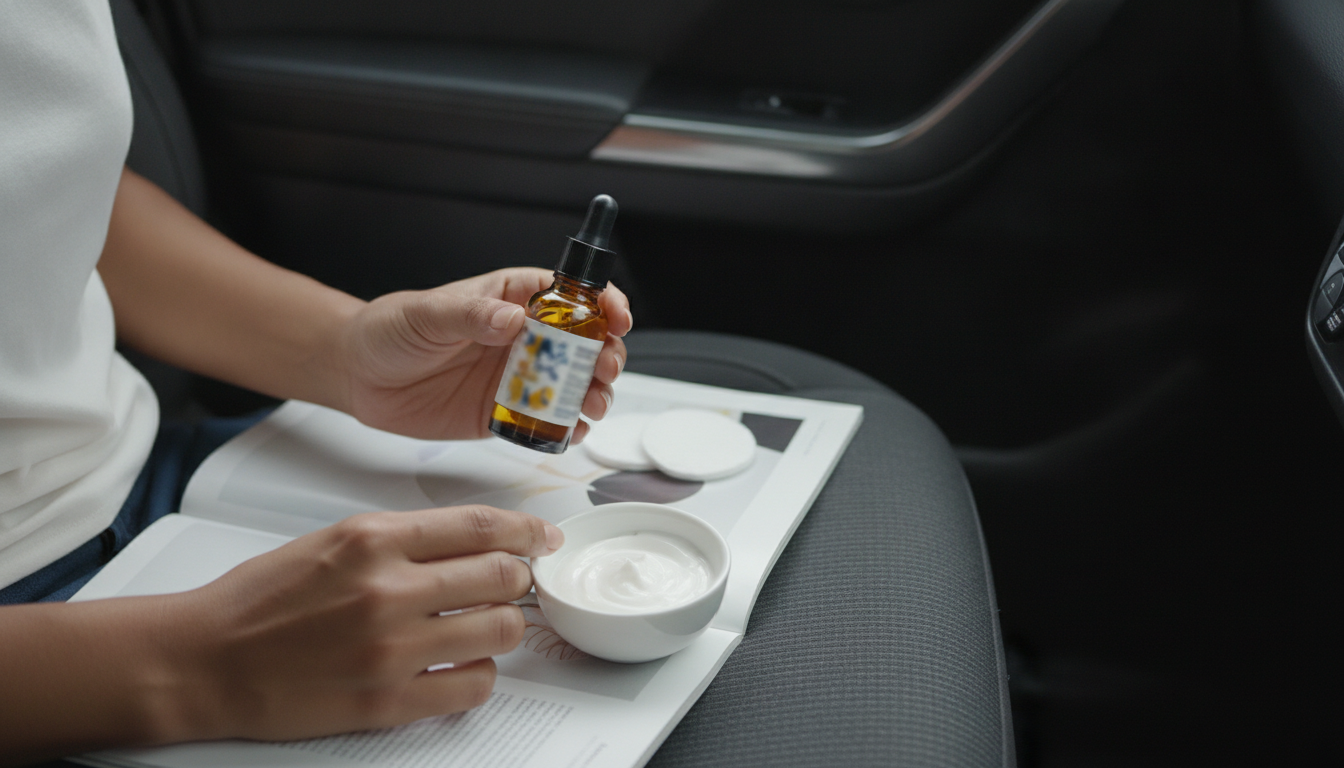
Does vitamin E make your skin whiter?
Vitamin E doesn’t “whiten” skin in the sense of changing your natural skin tone. What it can do is support a healthier-looking complexion by moisturizing, calming visible irritation, and helping the skin barrier function well. When skin is better hydrated and less inflamed, it may look more even and radiant, which some people interpret as looking “brighter.”
What vitamin E actually does for skin tone
Vitamin E is an antioxidant commonly used in skincare to help defend the skin from oxidative stress caused by factors like UV exposure and pollution. By reducing the look of dryness and supporting barrier repair, it can improve the appearance of roughness and dullness. That can make skin look smoother and more luminous, but it doesn’t bleach pigment or permanently lighten skin.
Can vitamin E help with dark spots?
Vitamin E may help improve the look of some discoloration indirectly, especially when the discoloration is related to dryness or irritation. However, evidence for vitamin E alone fading hyperpigmentation is mixed. Many products pair vitamin E with other ingredients (such as vitamin C) because combinations may offer more noticeable brightening than vitamin E by itself.
How to use vitamin E safely
Vitamin E appears in serums, creams, and oils. If you’re using vitamin E oil directly, a small amount goes a long way, and it can feel heavy on oily or acne-prone skin. Patch test first, since some people experience clogged pores or irritation from richer formulas. For concerns like uneven tone or sun spots, daily sunscreen is essential—without it, discoloration can keep returning regardless of what you apply at night.
For a deeper breakdown of what vitamin E can and can’t do for skin appearance, visit https://prestigal.com/does-vitamin-e-make-your-skin-whiter/.
FAQ
Does vitamin E help with hyperpigmentation?
Vitamin E may support a more even-looking complexion by reducing dryness and soothing irritation, but it isn’t a guaranteed dark-spot eraser. For stubborn hyperpigmentation, sunscreen plus proven brightening ingredients usually delivers clearer results.














Leave a comment