500-Lumen Rechargeable Bike Light: What to Consider
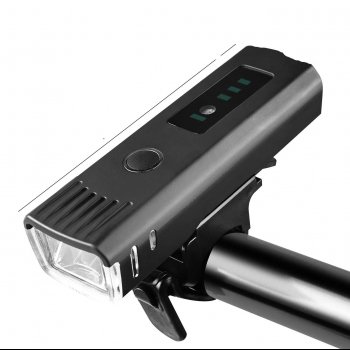
A ride home can feel different once daylight fades. The streetlights may be spaced farther apart than you remembered, or a shaded stretch may be darker than it was on the way out. Our Rechargeable 500 Lumen Bike Light with Smart Sensing & Waterproof Design brings together three features worth considering for changing light and weather: a 500-lumen output, rechargeable power, and a waterproof design. Whether it suits you depends on your route, your ride time, and the rest of your visibility setup.
Where a 500-lumen light fits
Bike lights do two related jobs: they help other people see you, and they help you see the route ahead. A 500-lumen rating describes the light’s output, but it cannot tell you by itself how far down the road you will see. Beam pattern, mounting position, aim, surrounding light, and weather all affect the result.
Picture an evening commute on streets with steady lighting. You may be most concerned with making your presence clear to drivers and other riders while keeping enough light on the pavement to notice changes ahead. On a shaded path, lighting the route may become more important. And when a casual ride runs later than planned, having a charged front light ready can make the transition to dusk less abrupt. Those situations are useful ways to assess a light; they are not promises about a particular beam distance.
A front light is only one part of the setup. A rear light helps people approaching from behind notice you, while reflective details can improve visibility from additional angles. The NHTSA’s bicycle safety guidance is a helpful reminder to plan for visibility and follow the rules where you ride.
What to consider about sensing, charging, and weather
Get familiar with the controls
Our light includes smart sensing, but that name alone does not establish what the sensor detects or how its settings work. Before your first ride, review the operating instructions, try the available controls, and choose a setting appropriate for your conditions. Confirm that the light is on rather than assuming a selected mode is active.
Build charging into your routine
Rechargeable power offers an alternative to replacing disposable batteries. Its practical advantage depends on one simple habit: charging before you need the light. Make it part of your pre-ride routine, especially if you expect a longer trip or a return after sunset. It is also worth learning the light’s charging procedure and any battery-status indicators before you rely on it for an evening ride.
A waterproof design is appealing when the forecast changes or a ride includes wet streets. It does not, on its own, specify a water-resistance rating or tell you how to clean or store the light. Follow the product’s care instructions, including any guidance for drying the light and protecting the charging connection.
A quick pre-ride light check
| Check | Why it matters | What to do |
|---|---|---|
| Charge | A light is only useful when it has power. | Charge before leaving, particularly for an evening ride. |
| Mount and aim | Position affects your view and other road users. | Secure the light and aim it toward the route ahead. |
| Settings | The right setting depends on conditions. | Review the controls and confirm the light is on. |
| Visibility | Others may approach from behind or the side. | Pair a front light with a rear light and appropriate reflective gear. |
Choosing a light for your usual route
Start with the rides you actually take. Are they mostly on well-lit streets, darker paths, or a mix? How long are you typically out, and how often does your return trip happen after dark? Your answers help you weigh light output alongside beam suitability, charging needs, and mounting. The REI guide to choosing bike lights offers more context for comparing those considerations.
Then consider your bicycle. Make sure the intended mounting location can hold the light securely and leave you able to operate it. Review the mount, charging method, and controls on the product page before purchasing; do not rely on the lumen figure as a substitute for those practical details. If you switch between bikes, pay particular attention to how the light attaches and comes off.
Our rechargeable 500-lumen model is an option if you want its stated combination of smart sensing and waterproof design. It is not automatically the right light for every cyclist or every route. If keeping small pre-ride tasks consistent is a challenge, our Ultimate Productivity Blueprint is a separate digital guide to building daily routines—not bike-light equipment.
Make visibility part of the ride
Before setting off, check that your front light is charged, firmly mounted, aimed appropriately, and working. Use suitable rear lighting and reflective gear, and adjust your speed and attention to the conditions rather than treating any light as a replacement for careful riding. You can visit the bike light’s product page for current details and availability before deciding whether it fits your next ride.
FAQ
What is the best rechargeable bicycle light?
The best choice depends on your route, ride length, and bicycle. Compare output, beam and mounting suitability, charging needs, and weather protection; our rechargeable 500-lumen model is one option if you want smart sensing and a waterproof design.
Is a front bike light enough for riding after dark?
A front light helps you see ahead, but a rear light and reflective gear can help others notice you from more directions. Check local lighting requirements before riding.
















Leave a comment