Low-Waste Travel Checklist: Pack Light & Reuse More
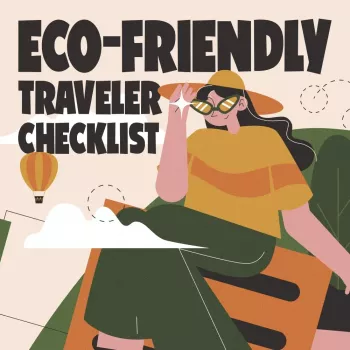
Eco-Friendly Traveler Checklist: Pack Light, Waste Less, Enjoy More
A simple, reusable checklist can make sustainable travel feel effortless—without sacrificing comfort. The goal isn’t to pack like a minimalist superhero; it’s to build a small system of reusables and habits that prevents the most common travel trash (bottles, cups, cutlery, bags, and minis). Below is a practical, low-waste packing list, plus routines for transit, lodging, eating out, and day trips—so everything stays organized from planning to the trip home.
What makes a trip lower-waste (without making it complicated)
Lower-waste travel usually comes down to a few repeatable swaps and a plan to use them daily. Start with items that replace the most frequent single-use purchases: a refillable bottle, a cup, utensils, a tote, and a compact container. Those five cover airports, train stations, hotel breakfast runs, and street food stops.
Next, reduce “just-in-case” bulk. Versatile clothing (a tight color palette, layerable pieces) and multipurpose toiletries help you avoid overpacking—and avoid buying emergency duplicates on the road. Then plan for refill and rewear: check for water refill points, laundry options, and where to pick up unpackaged snacks. The biggest difference comes from systems, not perfection: a small kit you use every day prevents dozens of disposables over a week.
The checklist flow: before you leave, on the move, and on arrival
Before you leave
Confirm what your destination already provides—towels, hair dryer, soap dispensers, or even beach gear—so you don’t bring duplicates. If you’re staying with a host or at a rental, a quick message can save both space and weight.
Transit-ready setup
Keep reusables and documents together in an easy-access pouch. When security lines move fast, you’ll actually use your bottle, snacks, and charger instead of defaulting to whatever comes wrapped in plastic near the gate.
Arrival routine
Set up a “reusables station” as soon as you enter the room: bottle on the desk, tote by the door, utensils and container in the same spot every time. This one habit prevents the classic mistake of leaving your kit behind for the day.
Day-out routine
Carry a small kit that covers water, snacks, trash, and layers. It reduces impulse buys (like bottled water or a flimsy souvenir bag) and keeps you comfortable enough to say “no thanks” to unnecessary extras.
Return-home reset
Separate laundry, empty containers, and note what never got used. That “next trip” note is the fastest way to pack lighter every time.
Zero-waste packing list (essentials that earn their space)
These items are chosen because they replace the most common single-use travel waste while staying compact.
- Hydration: refillable water bottle; optional lightweight filter bottle for uncertain water quality.
- Food on the go: foldable tote, compact container, reusable cutlery, and a washable snack bag.
- Toiletries: solid shampoo/soap, refillable minis, bamboo toothbrush, toothpaste tabs, and a small cloth for quick wipe-downs.
- Laundry and upkeep: travel clothesline, stain remover bar, small sewing kit, and a microfiber towel if needed.
- Comfort and health: reusable mask (where appropriate), small first-aid kit, sunscreen (reef-safer options where relevant), and a reusable menstrual product if suitable.
- Tech and power: universal adapter (when needed), multi-port charger, and a power bank to reduce buying extra cables.
Reusable swaps that reduce common travel waste
| Single-use habit | Reusable alternative | Where it helps most |
|---|---|---|
| Buying bottled water | Refillable bottle | Airports, city walks, tours |
| Disposable cutlery and napkins | Reusable utensils + small cloth | Takeout, street food, train rides |
| Plastic shopping bags | Foldable tote | Markets, pharmacies, souvenirs |
| Disposable coffee cups | Reusable cup (or bottle that fits barista pours) | Cafés, hotel breakfast runs |
| Mini hotel toiletries | Refillable toiletry bottles or solids | Long stays, frequent flights |
Smart packing strategies for lighter bags and fewer “backup” purchases
Low-impact travel habits during flights, trains, and road trips
For broader context on cutting waste, the U.S. EPA’s guidance on Reduce, Reuse, Recycle is a helpful framework to apply on the road as well as at home.
Eating out and shopping with less packaging
For a deeper look at tourism’s environmental footprint and why everyday choices matter, see the UN Environment Programme’s overview of Tourism. If you’re flying, it’s also worth checking general baggage policy guidance from IATA so your “pack light” plan matches your carrier’s rules.
How to use a digital checklist so nothing gets forgotten
Helpful digital downloads for organized, lighter travel
- Eco-Friendly Traveler Checklist (digital download) — a ready-to-use packing list and low-waste travel habits you can reuse trip after trip.
- Fuel Your Life: The Ultimate Healthy Eating Starter Bundle (digital download) — helpful for planning simple meals and snacks before travel days, reducing last-minute packaged purchases.
- Daily Affirmations for Abundant Wealth (audio course) — a portable listen for calm, focused routines while commuting, packing, or resetting after a long travel day.
FAQ
What are the most important reusable items to pack first?
Prioritize a refillable water bottle, a foldable tote, and reusable utensils with a small cloth. These replace the most frequent single-use items during transit, sightseeing, and meals.
How can packing light still work for different weather?
Use layers and versatile pieces: a packable rain shell, one warm mid-layer, and clothing that mixes easily. Rewear what you can and plan a simple laundry option for longer trips.
Are solid toiletries allowed in carry-on luggage?
In many places, solid toiletries are simpler than liquids for carry-on rules, but requirements can vary. Check your departure airport and airline guidance, and store bars in a ventilated case so they dry between uses.














Leave a comment