Guided Meditation vs Affirmations for Self-Love & Confidence
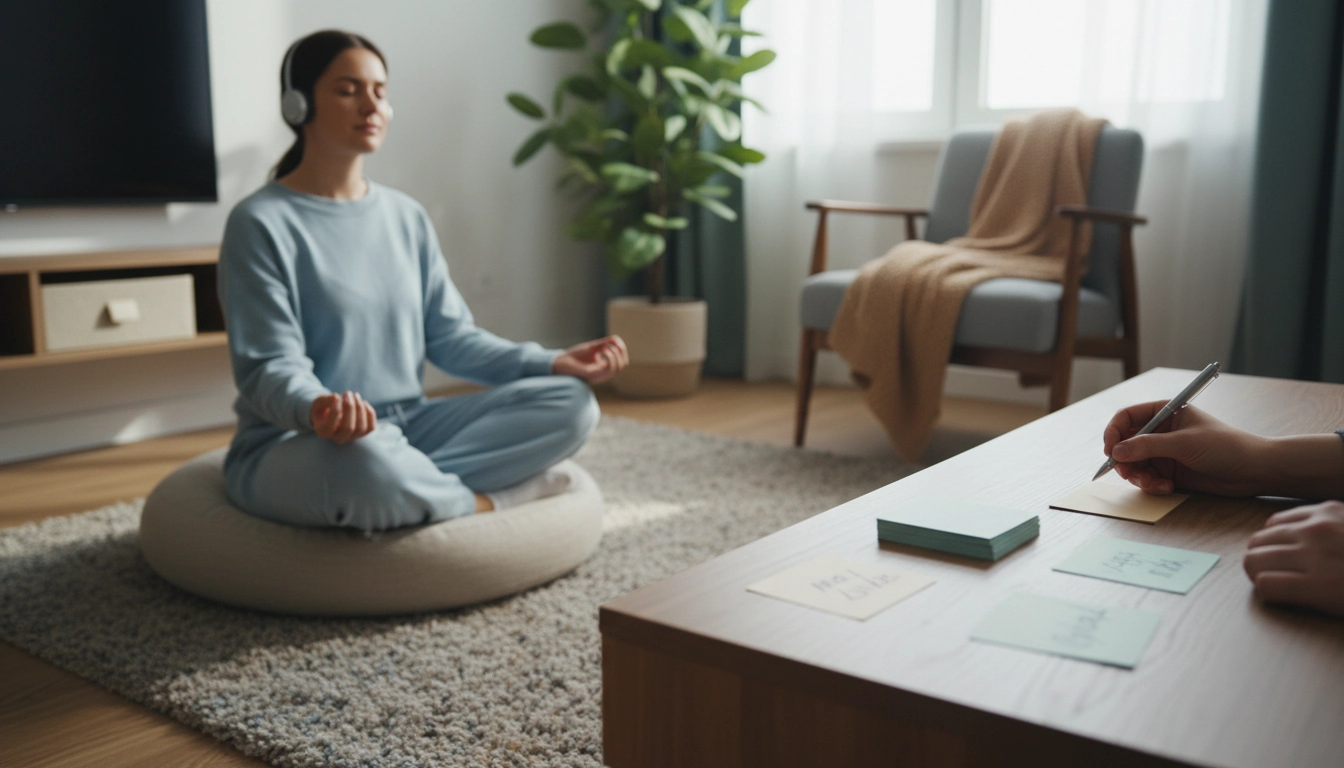
How do I choose between guided meditations and affirmations for building self-love and confidence?
Choose based on what helps your mind settle and what fits your day. Guided meditations work best when you want a supported, structured experience that calms your nervous system and makes it easier to feel safe, grounded, and receptive. Affirmations work best when you want quick, repeatable language that interrupts self-criticism and builds a more supportive inner narrative.
Pick guided meditations if you need emotional “space” first
If confidence is blocked by anxiety, overwhelm, or a constant sense of pressure, guided meditation can be the fastest route to relief. A voice-led practice gives you something to follow (breath cues, body scanning, visualizations), which reduces mental chatter and helps you access self-compassion beyond pure willpower. It’s also a strong option if you struggle to “believe” affirmations right away—meditation can soften resistance so kinder thoughts feel more believable.
Pick affirmations if you need a simple daily reset
If your main challenge is harsh self-talk, comparison, or doubt during specific moments (before a meeting, during workouts, after a mistake), affirmations can be a practical tool. The best ones feel realistic and specific: “I’m learning to trust myself,” “My worth isn’t up for debate,” or “I can take one confident step.” Repetition matters, but consistency matters more than intensity.
When to combine them for better results
Many people get the most traction by pairing both: use a short guided meditation to settle your body, then add 1–3 affirmations at the end while you’re calm. Another option is “bookending” your day—meditation at night to release self-judgment, affirmations in the morning to set your tone.
For a structured approach focused on worthiness and self-love, explore the guided audio plan here: https://prestigal.com/guide-self-love-worthiness-meditations-7-day-audio-plan/.
FAQ
How long does it take to notice results from self-love practices?
Many people feel a mood shift within a few sessions, especially with guided meditation, while confidence changes tend to build over 2–4 weeks of consistent practice. Track small wins—less rumination, quicker recovery after setbacks, or speaking up once more than usual.
















Leave a comment