Is Your Dog’s Quality of Life Declining? Key Signs
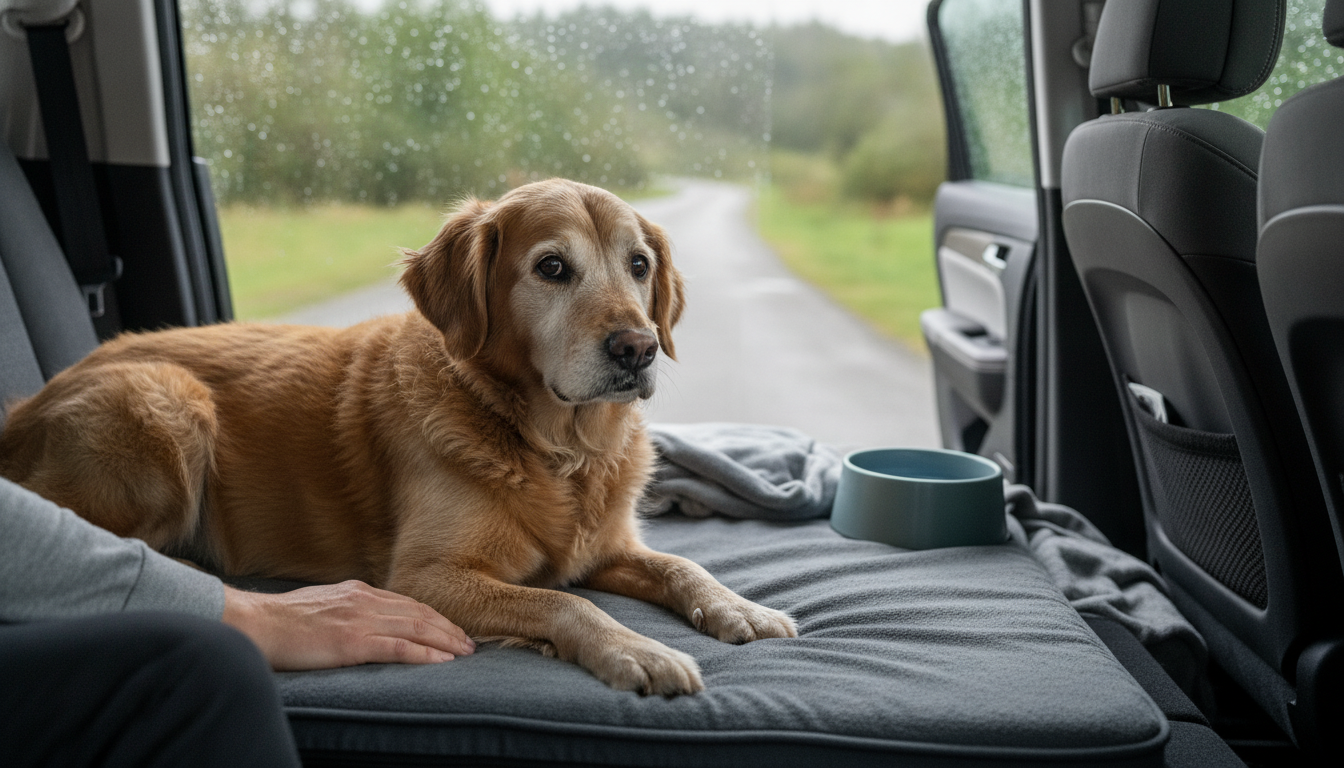
How do you know if your dog’s quality of life is declining?
A dog’s quality of life is often declining when day-to-day enjoyment starts shrinking—less interest in normal routines, more discomfort, and fewer “good moments” throughout the week. The change can be gradual, so it helps to look for patterns instead of one-off bad days.
Behavior and personality changes
Many dogs show quality-of-life decline through subtle shifts: withdrawing from family time, seeming confused, becoming unusually clingy, or reacting with irritability when touched. A normally social dog that prefers isolation or a calm dog that becomes restless and unsettled may be signaling that something doesn’t feel right.
Appetite, drinking, and weight trends
Persistent appetite loss, difficulty chewing, sudden picky eating, or noticeable weight loss can point to pain, nausea, dental disease, or organ issues. On the other side, excessive thirst or urination can indicate medical problems that can rapidly impact comfort and energy. Any ongoing change lasting more than a day or two is worth tracking and discussing with your vet.
Pain and mobility red flags
Declining quality of life commonly shows up as stiffness, limping, reluctance to climb stairs, trouble standing, or hesitation before jumping onto furniture. Signs like panting at rest, trembling, guarding a body area, or yelping when repositioning can indicate pain that’s not adequately controlled.
Sleep, breathing, and daily comfort
Frequent nighttime waking, pacing, or inability to settle can suggest discomfort, anxiety, or cognitive changes. Labored breathing, coughing, repeated vomiting, diarrhea, accidents in the house, or sores that won’t heal can also reduce comfort quickly and should be addressed promptly.
Use a “good day vs. bad day” lens
A practical way to judge quality of life is to note how many good days your dog has each week. If bad days are becoming more frequent, or if your dog can’t comfortably do favorite activities (eating, short walks, greeting you, resting peacefully), it may be time to reassess care and pain management.
For a deeper checklist and guidance on what to monitor, read the full resource here: How do you know if your dog’s quality of life is declining?.
FAQ
What is the best quality-of-life scale for dogs?
The HHHHHMM scale (Hurt, Hunger, Hydration, Hygiene, Happiness, Mobility, More good days than bad) is widely used because it turns daily observations into a clearer score you can share with your veterinarian.
















Leave a comment