When Can Kittens Start Wet Food? Age-by-Age Guide
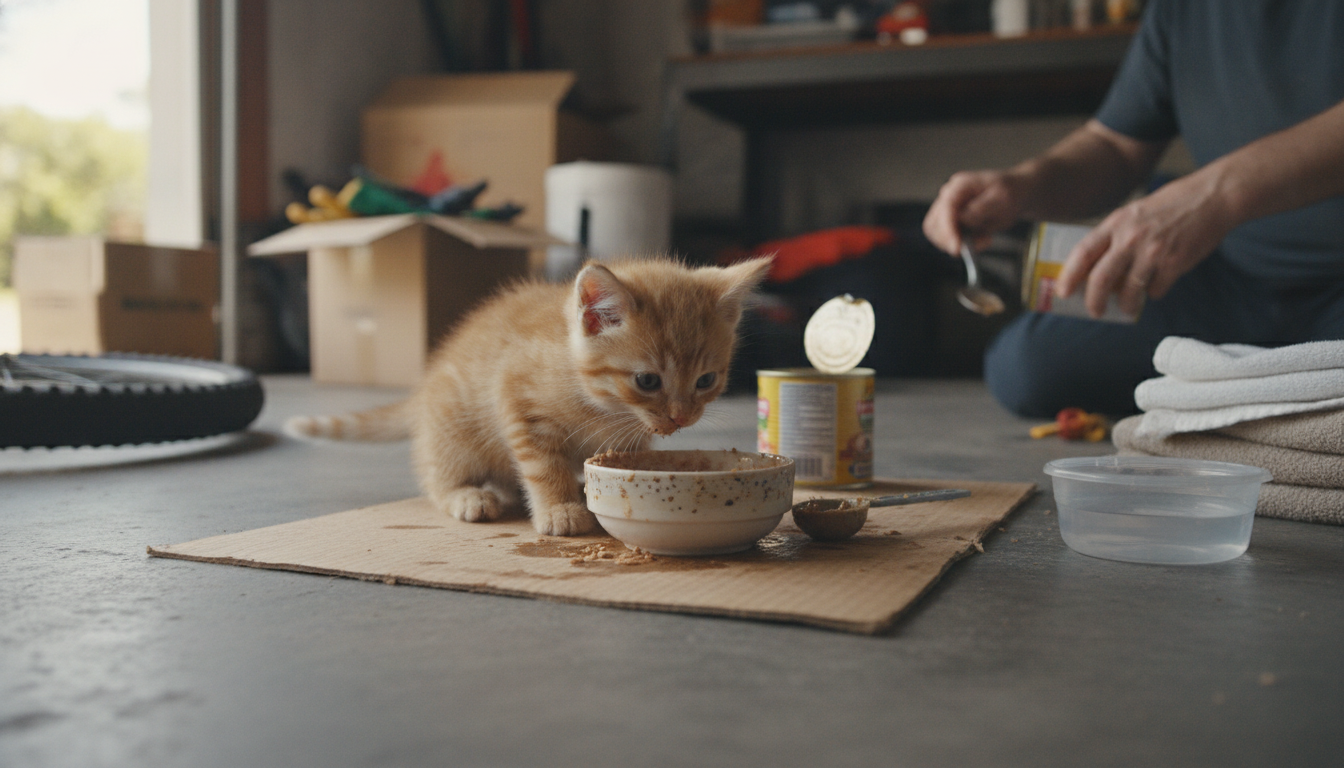
How old to feed a kitten wet food?
Most kittens can start eating wet food around 4 weeks old, when they begin the weaning process and can lap soft foods. Before that, they should get all their nutrition from their mother’s milk or a veterinarian-approved kitten milk replacer (never cow’s milk).
At 4–5 weeks, offer a high-quality kitten wet food thinned with warm water or kitten milk replacer to make a soupy texture that’s easy to lick. By about 6–8 weeks, many kittens can handle regular (unthinned) wet food and will also begin nibbling dry kitten kibble if it’s offered alongside.
Best way to introduce wet food
Start small: place a shallow dish of warmed wet food where the kitten can explore it. If needed, put a tiny amount on a fingertip and let the kitten lick it, then guide them to the dish. Keep portions fresh and remove leftovers after about 30–60 minutes so the food doesn’t spoil.
Choose food labeled “complete and balanced” for kittens (growth), since kittens need more calories, protein, and key nutrients than adult cats.
How much wet food should a kitten get by age?
Needs vary by size and brand, so use the feeding chart on the can or pouch as your baseline and adjust to keep steady growth and good body condition. As a general rhythm, younger kittens (under 6 months) usually do best with multiple small meals per day, while older kittens can gradually transition to fewer meals.
For a simple age-by-age starter schedule and practical portion tips, follow the guide here: kitten feeding guide and starter food schedule.
When to call a vet
Get help if a kitten won’t eat, seems weak, has ongoing diarrhea, vomits repeatedly, or isn’t gaining weight. Very young kittens can decline quickly, so early guidance matters.
FAQ
Can kittens eat dry food only?
Some can, but many do better with a mix of wet and dry during growth. Wet food helps with hydration and is easier to eat during weaning, while dry food can be convenient and supports gradual texture transition.
















Leave a comment