How to Dress for Extreme Cold: Men’s Layering Checklist
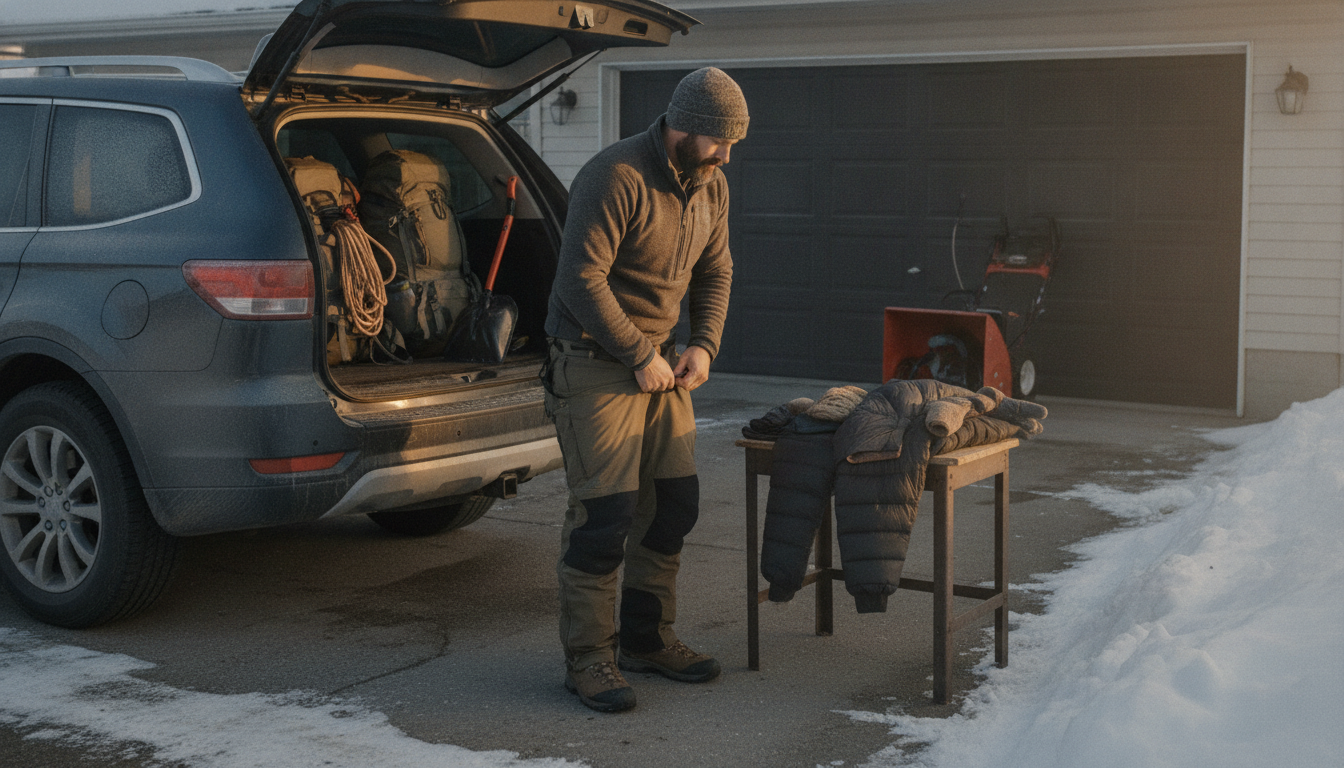
How to dress for extreme cold men?
Dressing for extreme cold as a man comes down to trapping warm air, blocking wind and moisture, and keeping sweat from cooling you down. The most reliable approach is a smart layering system, paired with insulated accessories and weather-ready footwear.
Start with a moisture-wicking base layer
Choose merino wool or synthetic thermal underwear for both top and bottom. Avoid cotton, which holds moisture and can make you feel colder fast. A snug (not tight) fit helps wick sweat and keeps warmth close to your body.
Add an insulating midlayer (or two)
Your midlayer is the heat engine. Fleece, wool sweaters, or a lightweight down/synthetic insulated jacket work well. In subzero temps, stack two midlayers (for example: fleece + puffy) so you can adjust if you start heating up while walking or working.
Finish with a windproof, weatherproof outer shell
The outer layer should stop wind and resist snow or freezing rain. Look for a parka or shell with a good hood, storm flaps, and sealed seams if you’ll be exposed for long periods. A longer cut helps protect your thighs, which can get painfully cold in wind.
Don’t neglect extremities: head, hands, and neck
Wear a beanie or insulated hat that covers your ears, plus a neck gaiter or scarf to seal drafts. For hands, insulated gloves are fine for short exposure, but mittens are warmer for longer time outside. Consider glove liners for flexibility.
Pick insulated socks and winter boots with traction
Go with wool socks (often a midweight is warmer than stacking multiple pairs that restrict circulation). Boots should be insulated, waterproof, and roomy enough to wiggle toes. A solid lugged sole or winter-rated traction helps prevent slips on ice.
For a deeper breakdown of cold-weather layers and gear choices, visit https://prestigal.com/how-to-dress-for-extreme-cold-men/.
FAQ
What temperature is considered extreme cold for winter clothing?
For most people, “extreme cold” starts around 0°F (-18°C) and becomes more hazardous as wind increases. At these temperatures, proper layering and full coverage (including face protection) matter much more than style.














Leave a comment