Stop 2-Year-Old Nightmares: A Calm Bedtime Plan
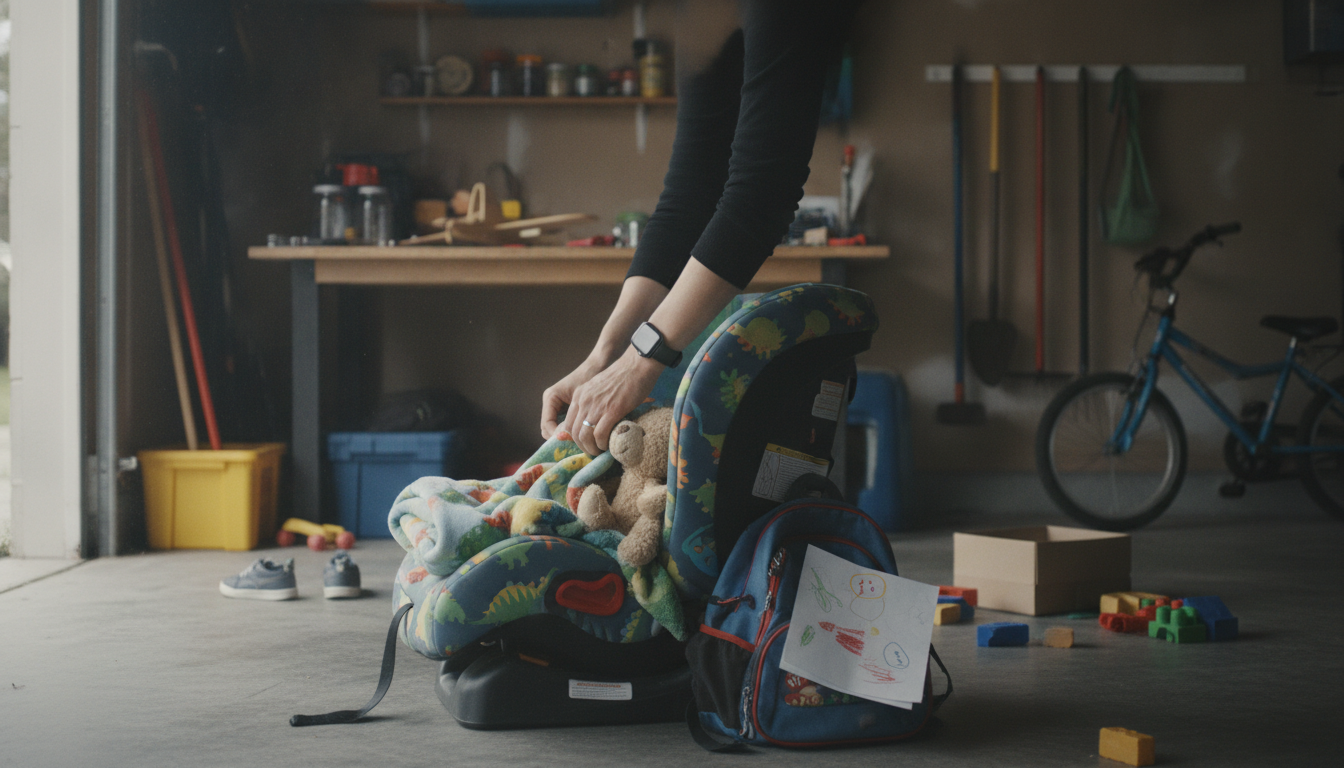
How to stop a 2 year old from having nightmares?
Nightmares are common around age 2 because imagination is growing fast, language is expanding, and little bodies are processing big daytime experiences. While there’s no instant “off switch,” a consistent nighttime plan can reduce how often nightmares happen and help your toddler settle quickly when they do.
1) Create a calm, predictable bedtime runway
Keep the last 30–45 minutes low-stimulation: bath, pajamas, two short books, cuddle, lights out. Avoid fast screens, rough play, or scary-sounding stories close to bedtime. Consistency helps your child’s brain feel safe enough to stay asleep.
2) Use a simple “safe sleep” script
When your child wakes scared, respond with the same brief reassurance each time: “You’re safe. I’m right here. It was a bad dream. Let’s take three slow breaths.” Repeating the same words builds security and prevents bedtime from turning into a negotiation.
3) Keep lights and comfort tools ready
A dim nightlight, a favorite stuffed animal, and a small sip of water can help your toddler reorient without fully waking up. Keep the room familiar—sudden changes (new shadows, loud white noise, a different blanket) can make fears worse for sensitive sleepers.
4) Do a quick reset without starting the day
Comfort in their room, keep your voice quiet, and avoid turning on bright lights or offering snacks/TV. If your toddler insists on leaving the room, calmly guide them back and repeat the same soothing steps. The goal is “back to sleep,” not “new bedtime.”
5) Adjust daytime triggers
Overtired kids tend to have more night wakings and intense dreams. Protect naps when possible and keep bedtime early enough. Also watch for new stressors—starting daycare, potty training, travel, or a new sibling can show up as nighttime fears.
For a step-by-step, parent-friendly routine you can use tonight, see the full guide here: 10-minute rescue routine and 7-night reset for toddler nightmares.
FAQ
When should I talk to a pediatrician about nightmares?
Reach out if nightmares are happening most nights for weeks, your child shows daytime anxiety or behavior changes, or you suspect night terrors, breathing issues, or medication side effects. A pediatrician can help rule out sleep disorders and guide next steps.















Leave a comment