20 Adjectives to Describe Your Pet’s Personality
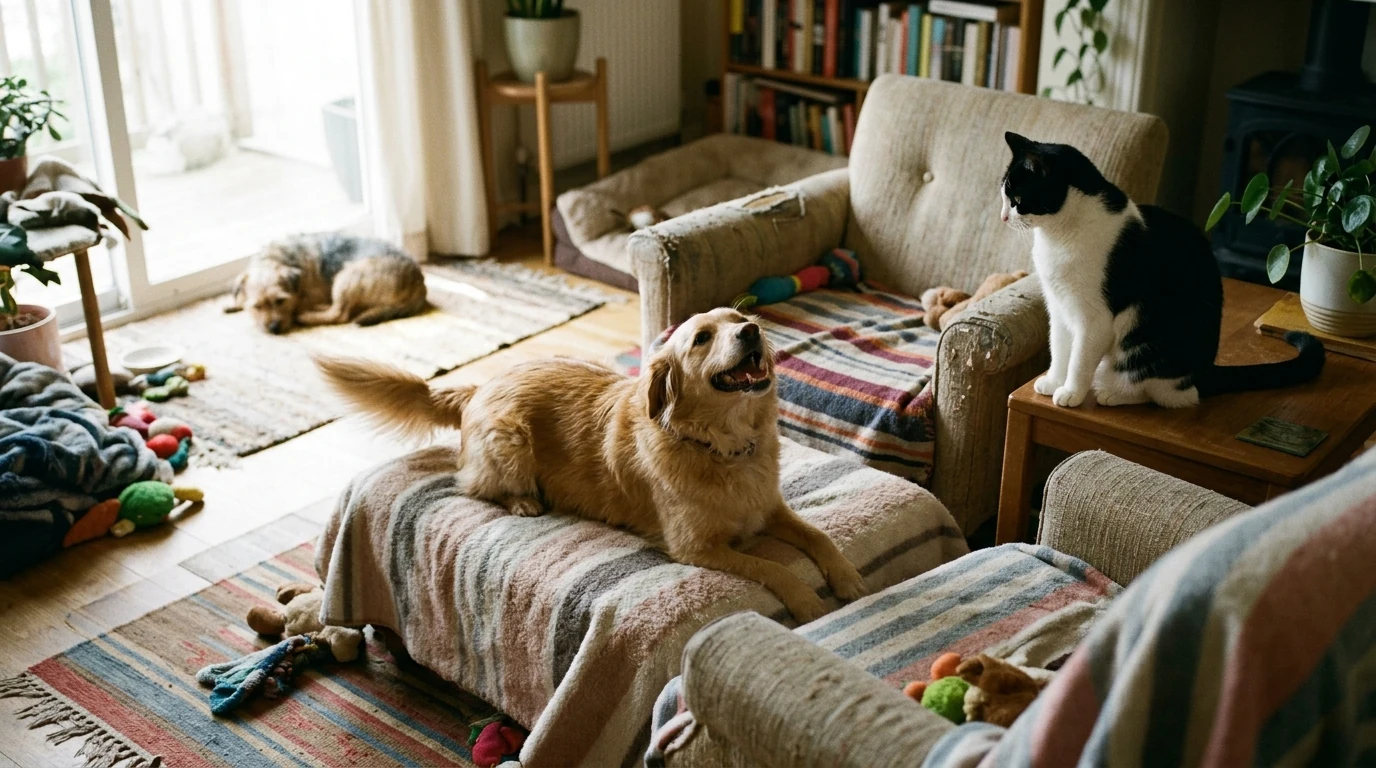
What are 20 adjectives that can be used to describe pets?
When you’re getting to know a new dog or cat, the right words help you match their personality to your home, schedule, and gear. Our team uses simple, behavior-based adjectives to guide choices like enrichment toys for busy brains, calming tools for sensitive pets, and durable essentials for energetic play. If you want a deeper read on what common behaviors can mean, visit our guide here: https://prestigal.com/guide-pet-temperament-decode-dog-cat-behavior/.
20 descriptive adjectives for pets
Here are 20 adjectives you can use to describe pets, whether you’re talking to a trainer, a vet, a sitter, or our team while shopping:
- Affectionate
- Playful
- Curious
- Gentle
- Energetic
- Calm
- Confident
- Timid
- Friendly
- Reserved
- Independent
- Clingy
- Patient
- Impulsive
- Vocal
- Quiet
- Protective
- Social
- Stubborn
- Trainable
How to use these adjectives while shopping
Pair the adjective with a real-life situation so you can pick products that support your pet’s comfort and safety. For example, an energetic or impulsive pet often does best with sturdier toys and structured enrichment, while a timid or reserved pet may benefit from slower introductions, cozy hideaways, and gentler play. If your pet is vocal or highly social, choose interactive options that channel attention appropriately and reduce boredom.
For walk time, “confident” and “curious” pets often appreciate more sniff-friendly routines and puzzle-style enrichment afterward, while “protective” or “impulsive” pets may do better with secure, well-fitted walking gear and clear boundaries. When you describe your pet this way, it’s easier for our team to recommend the right mix of comfort, control, and stimulation for your day-to-day life.
FAQ
What are some adjectives that can describe pets?
You can describe pets with adjectives like affectionate, playful, gentle, calm, energetic, curious, friendly, independent, timid, and trainable. Choose words that reflect what you consistently see at home, on walks, and around guests.
What are 20 examples of descriptive adjectives?
Twenty examples are: affectionate, playful, curious, gentle, energetic, calm, confident, timid, friendly, reserved, independent, clingy, patient, impulsive, vocal, quiet, protective, social, stubborn, and trainable. Using a mix of temperament and behavior words gives the clearest picture.
















Leave a comment