Fun Conflict Resolution Activities for Couples (5 Games)

What are fun activities for conflict resolution?
Fun conflict-resolution activities work best when they lower defensiveness and make it easier to stay on the same team. The goal isn’t to “win” an argument—it’s to calm your bodies, understand what’s underneath the frustration, and agree on a next step you can both live with.
Try a “Two-Minute Switch”
Set a timer for two minutes. Person A explains their perspective while Person B only reflects back what they heard (“What I’m hearing is…”). Then switch. Keep it light by treating it like a game: each accurate reflection earns a point. First to five points gets to pick the next date-night activity.
Use a “Feelings Charades” round
Instead of debating details, act out the emotion behind the conflict (overwhelmed, dismissed, anxious, lonely) and have the other person guess. When the feeling is named, add one sentence: “That feeling shows up when…” This helps you connect faster than rehashing the timeline.
Create a “Repair Menu” together
On a sheet of paper, list quick repair moves you both enjoy: a 20-second hug, a glass of water, a short walk, a joke reset, or a five-minute quiet break. When tension rises, each person picks one item from the menu. It turns de-escalation into a shared ritual instead of a power struggle.
Play “Yes, And” for solutions
Take turns proposing a fix, and the other person must start with “Yes, and…” to add a helpful tweak. This keeps the tone collaborative and reduces the reflex to shoot ideas down. End by choosing one small experiment to try for a week.
Make it tangible with a guided worksheet
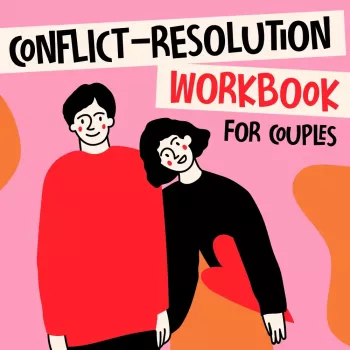
If the same argument keeps looping, structure can make it easier to stay kind. This printable guide walks you through repeat-fight patterns, triggers, and repair steps: Printable Couples Conflict Workbook to Stop Repeat Fights.
FAQ
How do you calm down fast during an argument?
Take a 5–10 minute reset with a clear return time, then do something physical and simple (slow breathing, a short walk, or water). Coming back with one sentence about what you’re feeling helps restart gently.















Leave a comment