7 Steps to Puppy Training: Routine to Real-Life Manners
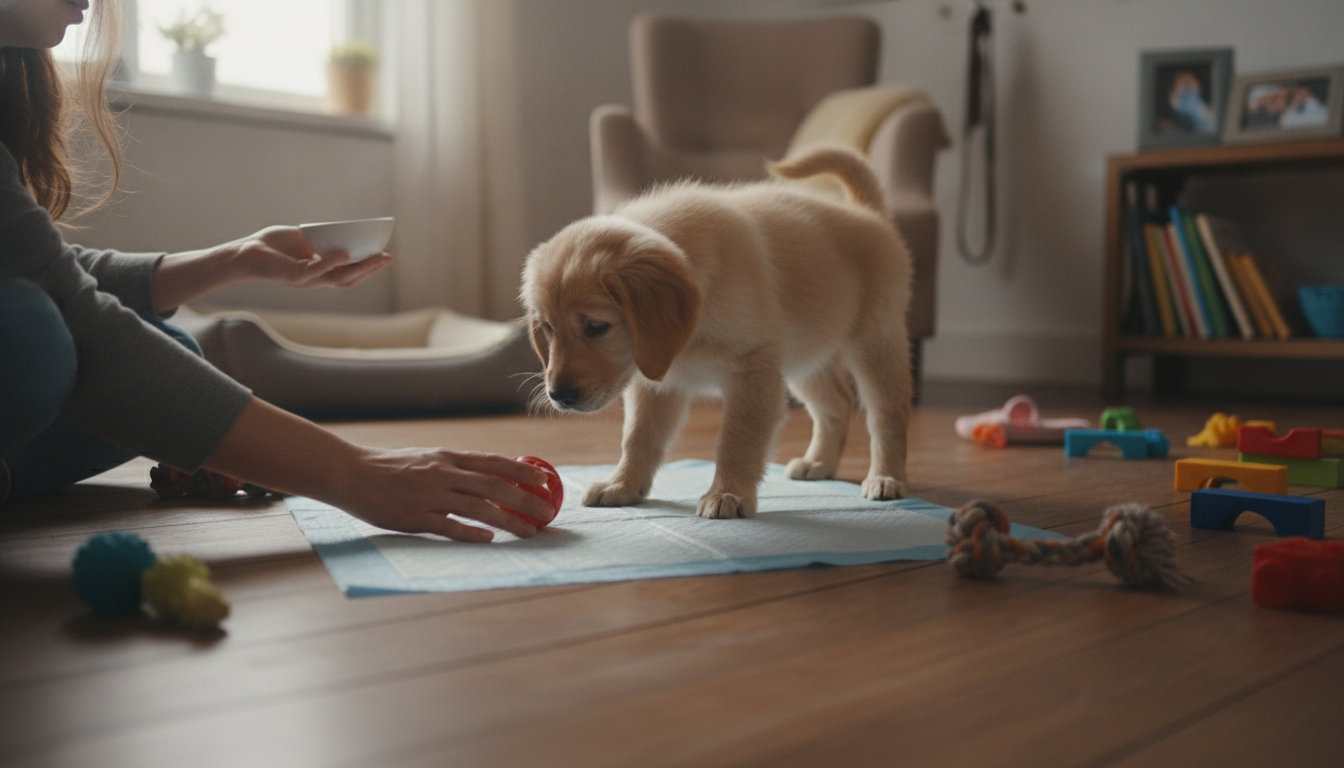
What are the 7 steps of puppy training?
Puppy training works best when it’s broken into simple, repeatable steps. These seven steps build structure fast—starting with routines and safety, then moving into manners and real-life practice.
1) Set a predictable routine
Create consistent times for potty breaks, meals, naps, play, and short training sessions. Puppies learn patterns quickly, and a steady schedule prevents accidents and overstimulation.
2) Start potty training immediately
Take your puppy out after waking, eating, drinking, and playing. Reward the moment they finish outdoors, and use the same door and potty spot to make the habit easy to understand.
3) Introduce crate training for safety and calm
Use the crate as a comfortable, quiet space—not a punishment. Keep crate time gradual, add positive associations, and use it to support house training and prevent destructive habits when you can’t supervise.
4) Teach name recognition and attention
Say your puppy’s name once, then reward eye contact. This “check-in” skill becomes the foundation for recall, leash walking, and handling distractions.
5) Build core commands
Start with sit, down, come, and leave it using short sessions and high-value rewards. Keep cues consistent, reward quickly, and practice in low-distraction areas before increasing difficulty.
6) Socialize thoughtfully
Expose your puppy to new people, surfaces, sounds, and safe dogs in a controlled way. Pair new experiences with treats and calm praise so curiosity replaces fear.
7) Practice real-life manners every day
Reinforce gentle mouth behavior, no jumping, and polite leash walking during normal routines. Training happens in moments: before meals, at doors, during greetings, and on short walks.
For a structured timeline that combines potty training, crate training, and first commands, follow this plan: 4-week puppy training plan.
For 7 Steps to Puppy Training: Routine to Real-Life Manners, the best answer depends on fit, material, care instructions, and how the product will be used day to day.
FAQ
When should you start training a puppy?
Start as soon as your puppy comes home. Focus first on routines, potty training, crate comfort, and simple rewards for calm behavior.














Leave a comment