Holistic Health Care Examples: Whole-Person Practices
What are the examples of holistic health care?
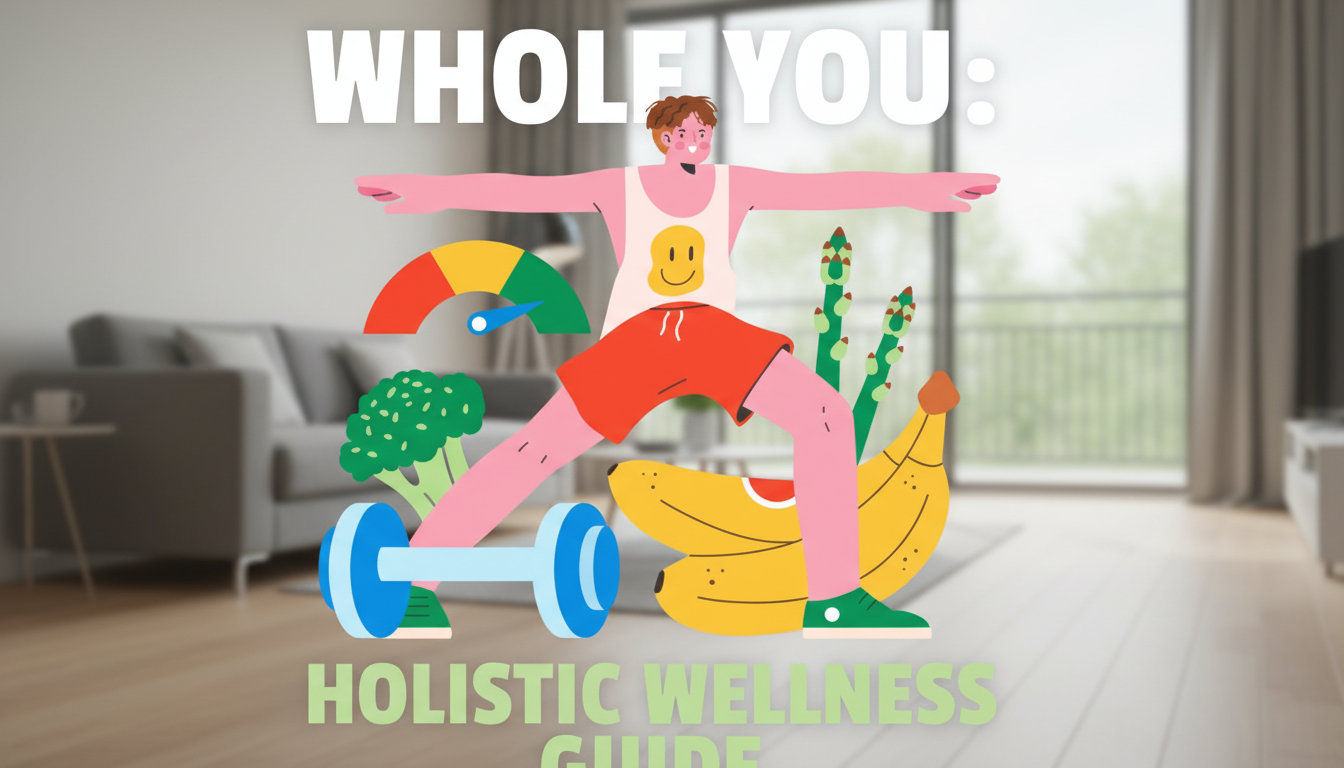
Holistic health care looks at the whole person—body, mind, emotions, lifestyle, and environment—rather than focusing only on isolated symptoms. It often blends conventional medical care with supportive practices that improve daily function and long-term well-being. Here are practical, common examples:
Preventive primary care with a whole-person lens
This can include routine checkups plus conversations about sleep, stress, movement, nutrition, relationships, and work-life demands. A clinician may also help coordinate labs, referrals, and medications while encouraging sustainable habits that support the body’s systems.
Nutrition and mindful eating support
Examples include working with a registered dietitian on balanced meals, stabilizing blood sugar with protein and fiber, reducing ultra-processed foods, or identifying food sensitivities. It may also involve mindful eating practices to improve digestion and reduce stress-driven snacking.
Movement therapies
Holistic care often uses movement to support mobility, pain management, and mood. Examples include yoga, Pilates, strength training plans, walking routines, physical therapy, and corrective exercise tailored to posture or joint limitations.
Stress management and mind-body practices
Common examples are meditation, breathwork, guided relaxation, journaling, progressive muscle relaxation, and biofeedback. Counseling or therapy—especially approaches like CBT or trauma-informed care—can also be part of holistic support.
Sleep and recovery coaching
Improving sleep hygiene (consistent schedule, light exposure, caffeine timing, bedroom setup) is a core holistic strategy. Some people also use relaxation routines, gentle stretching, or mindful breathing as part of a nightly wind-down.
Complementary therapies
Depending on needs and preferences, holistic care may include acupuncture, massage therapy, chiropractic care, sauna/heat therapy, or aromatherapy. These are typically used to complement—not replace—appropriate medical treatment.
For a simple way to put whole-person wellness into action, follow the step-by-step habit plan in this whole-body wellness guide.
FAQ
How do you start a holistic wellness routine without feeling overwhelmed?
Pick one small habit in each area—sleep, nutrition, movement, and stress—then build gradually. Consistency beats intensity, so aim for changes you can repeat daily before adding more.
















Leave a comment