Winter Layering Mistakes: 6 Errors That Make You Colder
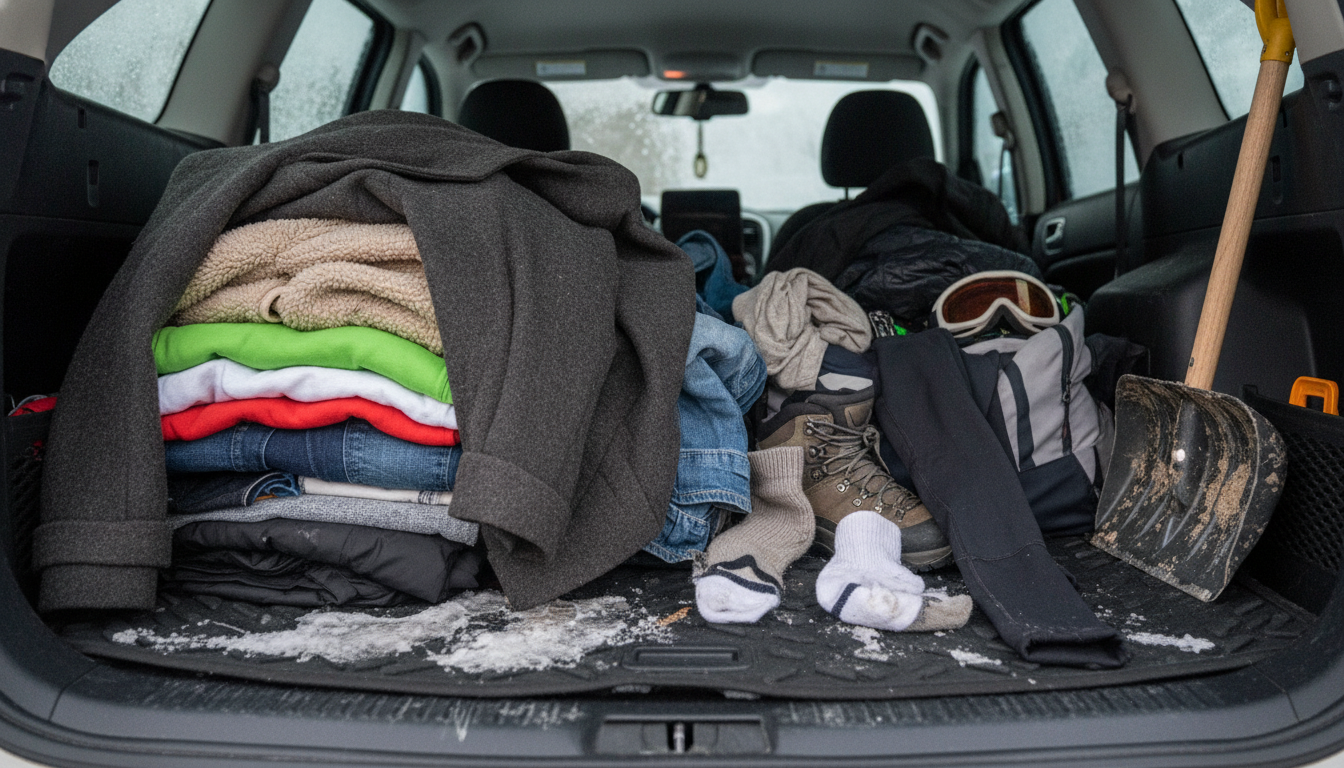
What are the mistakes in winter layering?
Winter layering works best when each piece has a job: manage moisture, trap warmth, and block wind or precipitation. Most cold-weather discomfort comes from a handful of repeat mistakes that cause sweating, heat loss, or restricted movement.
Wearing cotton as a base layer
Cotton holds moisture and dries slowly. Once damp from sweat or snow, it pulls heat away from your skin and can leave you feeling colder the longer you stay outside. Choose moisture-wicking fabrics like merino wool or synthetic blends for the layer closest to your body.
Skipping the mid-layer (or choosing the wrong one)
The mid-layer is your insulation. Going straight from a thin base layer to a shell often feels chilly, while an overly bulky sweater can trap sweat and limit mobility. Fleece, lightweight down, or insulated synthetics usually provide the best warmth-to-bulk balance.
Over-layering and overheating
Too many heavy layers can make you sweat during activity, and that moisture becomes a problem when you slow down or stop. A better approach is starting slightly cool, then adding or removing a layer as your body temperature changes.
Ignoring breathability and ventilation
A shell that blocks wind but doesn’t breathe can turn into a sauna. Look for breathable materials and features like pit zips, two-way front zippers, or adjustable cuffs to dump heat when needed.
Leaving gaps at the extremities
Cold air sneaks in through the neck, wrists, waist, and ankles. Missing basics—like warm socks, gloves, a hat, and a neck gaiter—can make a solid layering system feel ineffective.
Choosing a shell that’s too tight
If your outer layer compresses insulation underneath, you lose warmth. Make sure your shell has enough room for your mid-layer without restricting movement.
For a deeper breakdown of what to avoid—and how to fix common cold-weather setup issues—read the full guide here: https://prestigal.com/what-are-the-mistakes-in-winter-layering/.
FAQ
What is the best fabric for a winter base layer?
Merino wool and synthetic wicking fabrics are top choices because they move moisture off your skin and help regulate temperature. Avoid cotton when it’s cold or wet.
















Leave a comment