Toddler Nightmares: Bedtime Routine Tweaks That Help
What bedtime routine changes can reduce nightmares for toddlers?
Small, consistent bedtime tweaks can lower the chance of nightmares by helping a toddler’s brain and body shift into “safe and sleepy” mode. The goal is predictability, calmer input, and a quick plan for reassurance if a bad dream hits.
Keep the pre-bed hour low-stimulation
Dim the lights, lower household noise, and avoid fast-paced screens or scary stories before bed. If screen time happens earlier, switch to calm play (puzzles, coloring, blocks) in the 30–60 minutes leading up to sleep to reduce overstimulation that can show up as vivid dreams.
Use the same short routine every night
A simple sequence—bath, pajamas, teeth, two books, cuddle, lights out—helps toddlers anticipate what comes next and feel in control. Keep it short enough to repeat even on busy nights; consistency matters more than length.
Add a “worry-to-comfort” wind-down
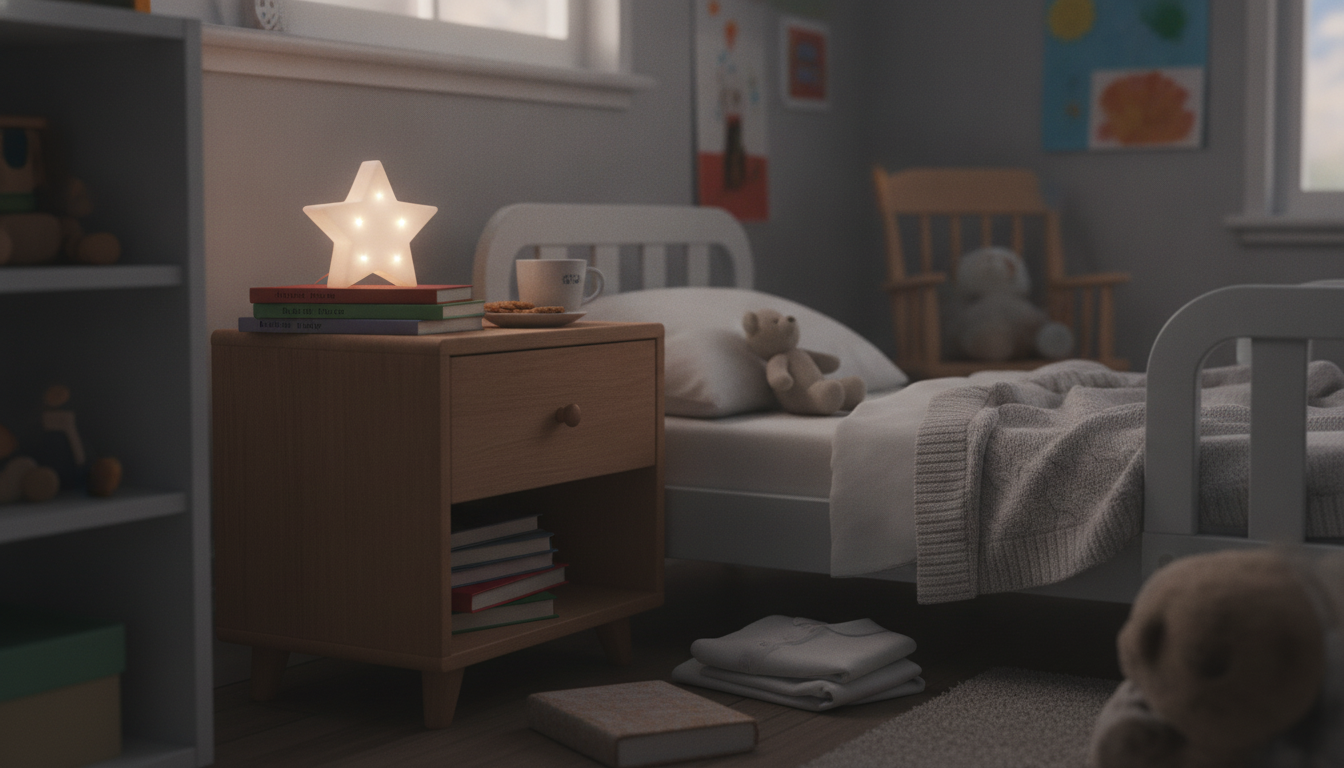
Right before lights out, do a quick feelings check: “Anything that felt scary or big today?” Validate briefly, then redirect to comfort: a favorite stuffed animal, a simple phrase (“You’re safe. I’m right here.”), and a soothing sensory cue like a soft nightlight or white noise.
Offer a comforting sleep environment
Many toddlers do better with a dim nightlight, a slightly cooler room, and a familiar scent/blanket. If separation anxiety fuels nightmares, a brief “I’ll check on you” promise (with one planned check-in) can reduce repeated wake-ups.
Have a calm, repeatable response plan for nightmares
When a nightmare happens, keep the response boring and steady: comfort, a sip of water, a quick bathroom trip if needed, then back to bed. Avoid long conversations, bright lights, or moving to the couch—those can accidentally train more wake-ups.
For a step-by-step, parent-friendly reset you can run in minutes, see this toddler nightmare rescue routine and 7-night reset guide.
FAQ
How can I tell if my toddler is having nightmares or night terrors?
Nightmares usually happen later in the night and your child can often be comforted and may describe the dream. Night terrors often occur in the first few hours of sleep, with crying or thrashing, but the child seems “not fully awake” and usually doesn’t remember it in the morning.















Leave a comment