Red Flag Behaviors in Cats: When to Worry
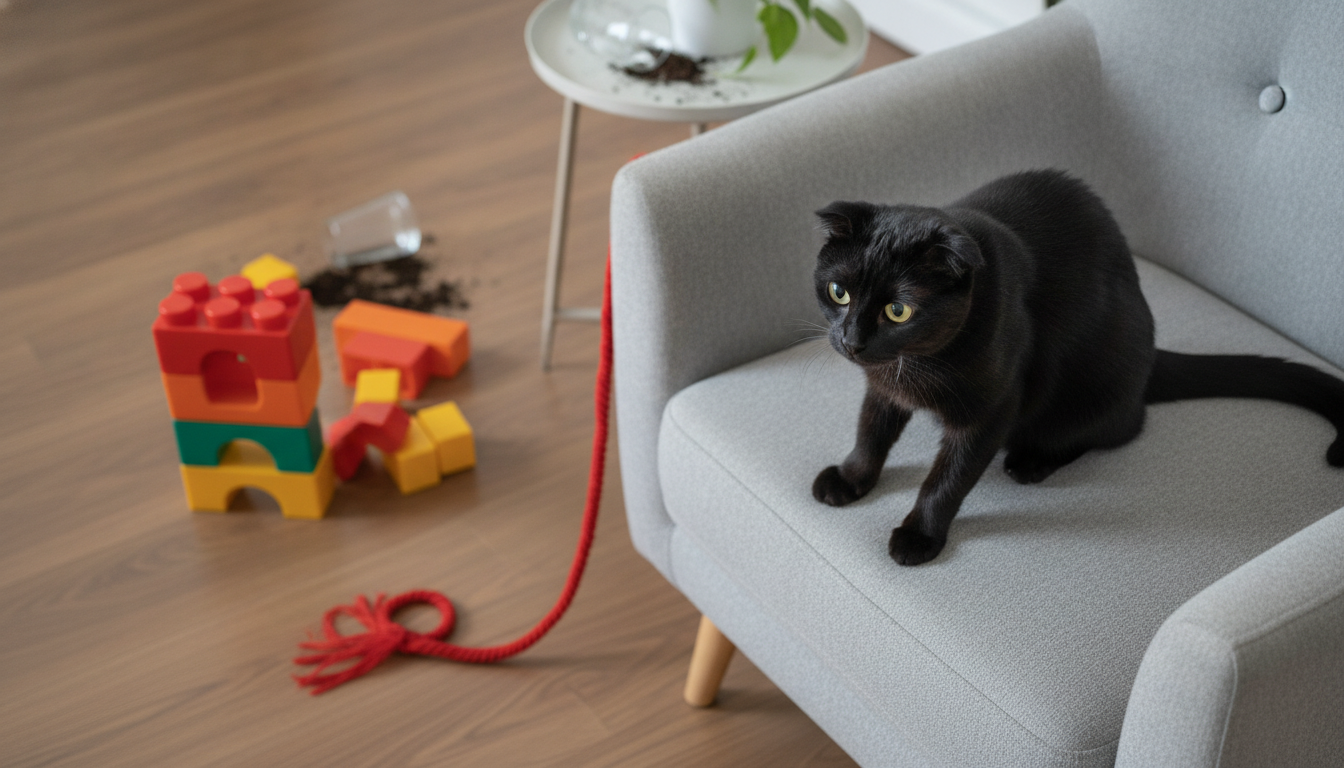
What is a red flag behavior in cats?
A red flag behavior in cats is a sudden, intense, or persistent change in how your cat acts—especially when it could signal pain, fear, stress, or illness. Because cats are experts at hiding discomfort, small shifts can be meaningful when they’re new, worsening, or happening alongside other symptoms.
Common red flags to watch for
Aggression or irritability that seems out of character: Swatting, biting, or growling during normal handling can point to pain (like dental issues, arthritis, or an injury) or heightened anxiety.
Hiding more than usual: A cat who suddenly spends most of the day under the bed, avoids family members, or won’t come out for treats may be stressed, sick, or overwhelmed by a change in the home.
Litter box changes: Peeing outside the box, straining, crying in the box, frequent trips, or blood in urine are urgent red flags—especially in male cats, where urinary blockage can become life-threatening quickly.
Overgrooming or a neglected coat: Licking one area until it’s bald can be caused by allergies, fleas, pain, or anxiety. On the other hand, a previously tidy cat who stops grooming may feel unwell or sore.
Appetite and drinking shifts: Not eating for a day, sudden overeating, noticeably increased thirst, or rapid weight changes should be taken seriously.
Vocalization changes: New yowling, nighttime crying, or frequent meowing can indicate discomfort, cognitive changes in senior cats, or stress.
When to act quickly
Seek prompt veterinary care if you notice trouble breathing, repeated vomiting, collapse, seizures, inability to urinate, severe lethargy, or sudden weakness. For milder changes, track when it happens, what triggers it, and any environmental changes (new pets, visitors, moves), then schedule a checkup if it persists.
For a broader guide to decoding pet temperament and behavior cues, visit this pet behavior guide.
FAQ
Why is my cat suddenly hiding all the time?
Sudden hiding can be a sign of stress, pain, or illness. If it lasts more than a day or comes with changes in eating, litter box habits, or energy, a vet check is a smart next step.
















Leave a comment