Handheld Massager with Heat: A Gentle Wind-Down Guide
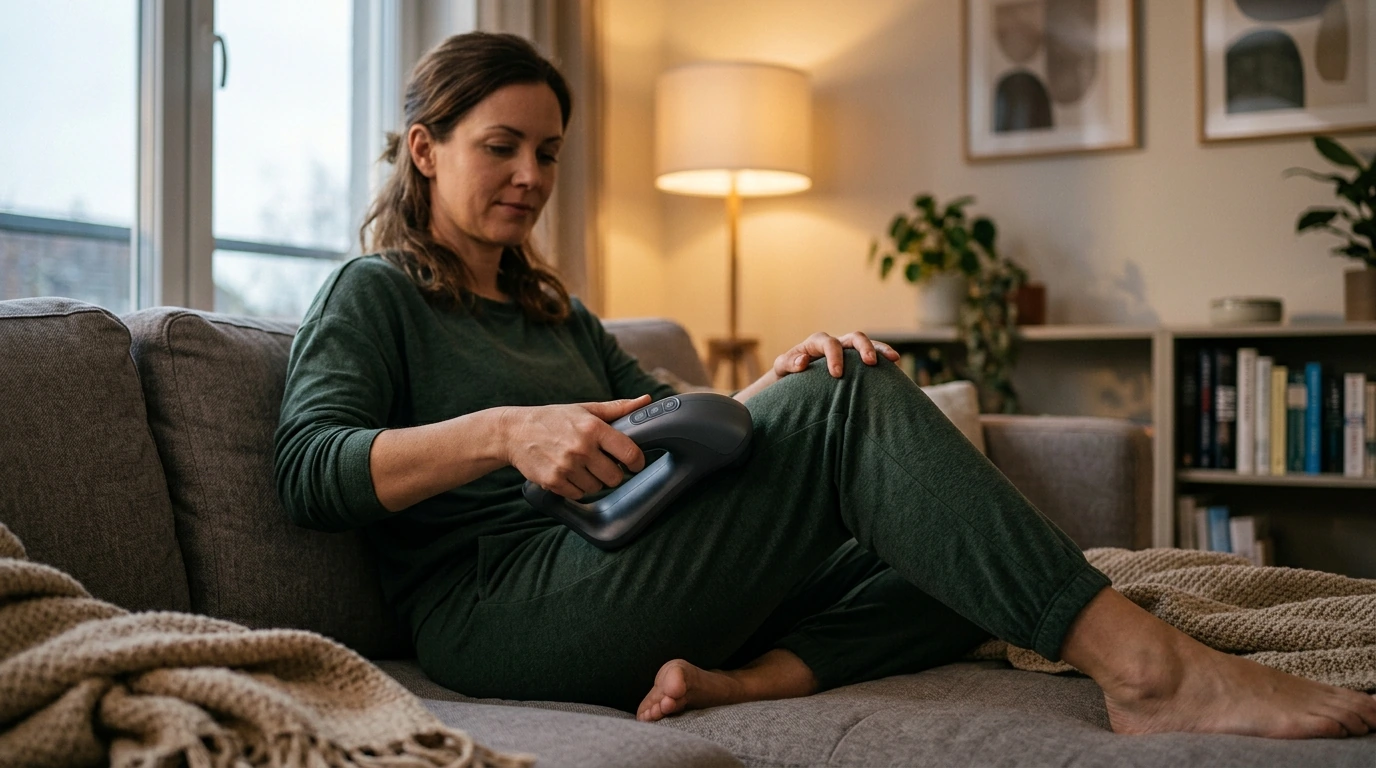
After a long day at a desk or on your feet, a few minutes of handheld massage can give you a chance to focus on muscles that feel tense. Our Handheld Chiropractic Massager with Heat & Variable Speed for Muscle Relief combines adjustable massage with optional warmth, so you can choose a sensation that feels comfortable. The key is to start gently, pay attention to how you feel, and treat massage as one part of your wind-down—not as a fix for pain or injury.
What heat and variable speed add to a massage routine
Variable speed gives you room to ease in. Rather than starting at an intensity you may not enjoy, you can begin at a low setting and adjust only if the sensation stays comfortable. What feels good may differ from one muscle group to another, and it can change from day to day.
Heat is another choice, not a requirement. Comfortable warmth may feel soothing when your muscles are tight, while you may prefer massage without heat at other times. Neither setting needs to be pushed to its highest level to make a session worthwhile.
Despite the word “chiropractic” in the product name, a handheld massager does not perform a chiropractic adjustment. It is a self-care tool, not a substitute for an evaluation or treatment from a qualified professional. For broader context on massage and its precautions, you can read the National Center for Complementary and Integrative Health’s massage therapy overview.
A simple way to get started
Choose an area of muscle you can reach without straining your arm or twisting into an awkward position. Start at the lowest speed that feels comfortable and keep your first session brief. You can adjust the speed as you go, but there is no need to increase it if the gentle setting feels right.
Let the device make light contact with the muscle, then move it steadily instead of pressing hard or holding it in one spot. More pressure is not necessarily more comfortable. If you use heat, give yourself time to notice how the warmth feels against your skin rather than assuming it will feel the same everywhere.
Follow the product’s instructions for its controls and operating details. Stop using it if you experience pain, numbness, dizziness, or skin irritation. If a position makes your hand, shoulder, or back work harder than the massage is worth, pause and try a more comfortable way to reach the area.
Where to focus—and where to be cautious
The table below is general guidance for comfortable self-massage, not a treatment plan. Focus on muscle rather than applying direct pressure to the spine, joints, or bones. Avoid the front of the neck, broken skin, and areas that are swollen or newly injured.
| Area or situation | Practical approach | When to pause or avoid use |
|---|---|---|
| Shoulders and upper-back muscles | Start gently and move across the muscle beside, rather than on, the spine. | Stop if pressure causes sharp pain or tingling. |
| Leg muscles | Use light contact and adjust speed only if it remains comfortable. | Avoid swollen, bruised, or recently injured areas. |
| Using heat | Choose warmth for comfort and check your skin regularly. | Avoid heat if the area feels numb or the warmth irritates your skin. |
Heat should feel comfortably warm, never hot. Do not use it on an area where sensation is reduced, since it may be harder to tell when your skin is getting too warm. If you are unsure whether an area is appropriate to massage, leave it alone until you can get qualified advice.
Make it part of a routine that works for you
A handheld massager may fit naturally into an evening wind-down or a short break after hours of sitting. You could also use it after a day spent on your feet, provided the area you choose is not swollen or injured. Keep the goal modest: a comfortable pause in your day, not a session you feel obliged to complete.
Massage works best as an addition to ordinary habits, not a replacement for them. Changing position, taking breaks, and moving gently throughout the day still matter. If you like giving those habits a place in your schedule, our Ultimate Productivity Blueprint offers a separate way to think about daily routines; it is not a health guide or a substitute for movement.
If you have persistent or unexplained pain, an injury, circulation concerns, or another health condition, ask a qualified clinician whether massage and heat are appropriate for you. If back pain is part of your concern, the NHS guidance on back pain can also help you recognize when to seek medical advice.
Is this handheld massager a good fit?
This option is worth considering if you want to position the massage by hand, choose your own speed, and have warmth available when it appeals to you. If you would rather avoid heat, you do not need to use it every time. Your comfort and ability to reach the muscles you want to massage matter more than using every feature in a single session.
Our team encourages you to choose based on how you expect to use the device: a gentle, brief wind-down may call for different settings than you first imagined. When you are ready, view the Handheld Chiropractic Massager with Heat & Variable Speed for Muscle Relief for current product and purchase details.
FAQ
Should I use heat and massage together every time?
No. Heat is an optional comfort feature; skip it if the warmth causes discomfort or skin irritation.
Can a handheld massager replace chiropractic care?
No. Handheld massage is not a chiropractic adjustment or a substitute for diagnosis or treatment.
When should I avoid massaging a sore area?
Avoid broken skin and swollen or recently injured areas, and stop if massage makes symptoms worse. Seek professional advice for persistent or unexplained pain.















Leave a comment