Printable Pet First Aid Cheat Sheet for Emergencies
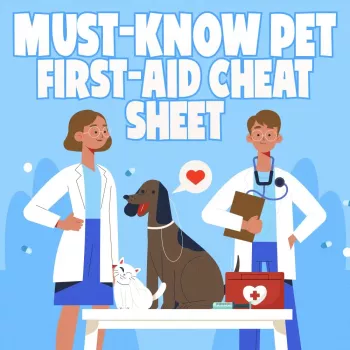
Must-Know Pet First-Aid Cheat Sheet: Printable Emergency Guide for Pet Owners
Emergencies with pets happen fast—choking, bleeding, heatstroke, poisoning, or sudden collapse. A clear, printable first-aid cheat sheet helps pet owners act calmly in the first critical minutes while contacting a veterinarian. This guide focuses on what to do right away, what to avoid, and how to get ready before an emergency starts.
What a pet first-aid cheat sheet is for (and what it is not)
A pet first-aid cheat sheet is designed to help you stabilize and protect your pet while you arrange veterinary care. It’s not a substitute for a diagnosis, prescriptions, imaging, or treatment plans from a veterinary professional.
- Use it to buy time: control bleeding, reduce exposure to heat/cold, and prevent further injury while you call a clinic.
- Prioritize safety first: injured pets may bite or scratch. Move away from hazards and keep children/other pets separated.
- When in doubt, call immediately: if symptoms are severe or you’re unsure, contact your veterinarian or a 24/7 emergency hospital and follow their instructions.
For veterinarian-reviewed basics, see the AVMA pet first aid guidance.
Emergency readiness checklist before anything happens
Preparation is what turns panic into a plan. A few simple steps can dramatically reduce delays when seconds matter.
- Post your printable guide in two places: on the fridge and in the car (or a pet travel bag).
- Save key numbers in your phone: primary vet, nearest 24/7 emergency hospital, animal poison control, plus a trusted neighbor/pet sitter.
- Build a small pet first-aid kit: gauze pads/roll, non-stick pads, adhesive tape, blunt-tip scissors, digital thermometer, saline rinse, tweezers, disposable gloves, muzzle or soft cloth, instant cold pack, and a clean towel/blanket.
- Know pet-specific details: current weight, medications, allergies, microchip number, vaccine status, and any chronic conditions.
Emergency contacts to keep on the cheat sheet
| Contact | What to write | Where to store |
|---|---|---|
| Primary veterinarian | Clinic name, phone, address, hours | Phone + printed copy |
| 24/7 emergency hospital | Phone, address, driving directions shortcut | Phone + car copy |
| Animal poison helpline | Phone + any case fee notes | Phone lock screen note |
| Pet sitter/neighbor | Name, phone, access instructions | Printed + shared with household |
If you want a ready-to-print reference you can post and pack, use the Must-Know Pet First-Aid Cheat Sheet (printable).
First priorities in any pet emergency
- Stay calm and scan for danger: traffic, fire/smoke, aggressive animals, electrical hazards, broken glass, toxins.
- Approach carefully: even gentle pets may bite when injured. Use a muzzle only if the pet is conscious and not vomiting or struggling to breathe.
- Check ABCs: Airway (clear obstruction), Breathing (chest movement), Circulation (gum color, pulse, severe bleeding).
- Go now when critical signs appear: trouble breathing, collapse, blue/gray gums, uncontrolled bleeding, repeated seizures.
Quick actions for common emergencies
Bleeding
Apply firm pressure using clean gauze or cloth. Add layers without removing the first layer (pulling it off can restart bleeding). If possible, secure a snug wrap and seek urgent veterinary care.
Choking
If an object is visible and easy to grasp, gently remove it. Avoid blind finger sweeps—they can push the object deeper. If distress continues, head to an emergency vet immediately.
Heatstroke
Move your pet into shade or air conditioning. Offer small sips of water. Cool with room-temperature water on the belly and paws, then transport to a veterinarian. Avoid ice-cold baths, which can worsen shock.
Hypothermia
Dry your pet, wrap in warm blankets, and use warm (not hot) water bottles near the body. Contact a veterinarian for guidance, especially if your pet is weak, stiff, or mentally dull.
Poisoning
Remove access to the toxin and call for help right away. Do not induce vomiting unless a veterinarian or poison professional tells you to. Bring packaging or ingredient lists to the clinic; the ASPCA Animal Poison Control Center explains what information is helpful when you call.
Seizure
Make the area safe by moving objects away. Do not restrain your pet or put anything in the mouth. Time the seizure and contact your veterinarian; urgent cases include seizures lasting more than a few minutes or repeated clusters.
Burns
Cool the area with running cool water for several minutes, cover with a non-stick dressing, and seek urgent care. Avoid applying creams or ointments unless directed by a veterinarian.
Cuts, wounds, and suspected fractures
When to skip home care and go now
Using a printable guide effectively during stress
Helpful digital downloads for busy pet households
- Must-Know Pet First-Aid Cheat Sheet | Emergency Printable Guide for Pet Owners | Vet Tips
- Study Skills Mastery Guide | Digital Study Guide, Learning Strategies eBook, Focus Tips, Study Methods, Memory Techniques, Study Checklist PDF
- Fuel Your Life: The Ultimate Healthy Eating Starter Bundle | 4-in-1 Bundle Digital Download | Healthy Eating PDF + Audio
FAQ
Should vomiting be induced after a pet eats something toxic?
No—do not induce vomiting unless a veterinarian or animal poison professional specifically instructs you to. Some toxins (and some pet conditions) make vomiting dangerous, so call promptly and be ready to share the product label or ingredient list.
What belongs in a basic pet first-aid kit for home and car?
Start with gauze, non-stick pads, adhesive tape, saline rinse, disposable gloves, blunt-tip scissors, tweezers, a digital thermometer, a clean towel/blanket, an instant cold pack, and a muzzle or soft cloth. Check expiration dates and replace used items right away.
When is a pet emergency serious enough for a 24/7 clinic?
Go immediately for breathing difficulty, collapse, uncontrolled bleeding, pale/white gums, repeated or long seizures, suspected bloat, severe trauma, eye injuries, or major poisoning. Call ahead while you’re on the way so the team can prepare.















Leave a comment