When Do Kittens Use a Litter Box? Age-by-Age Guide
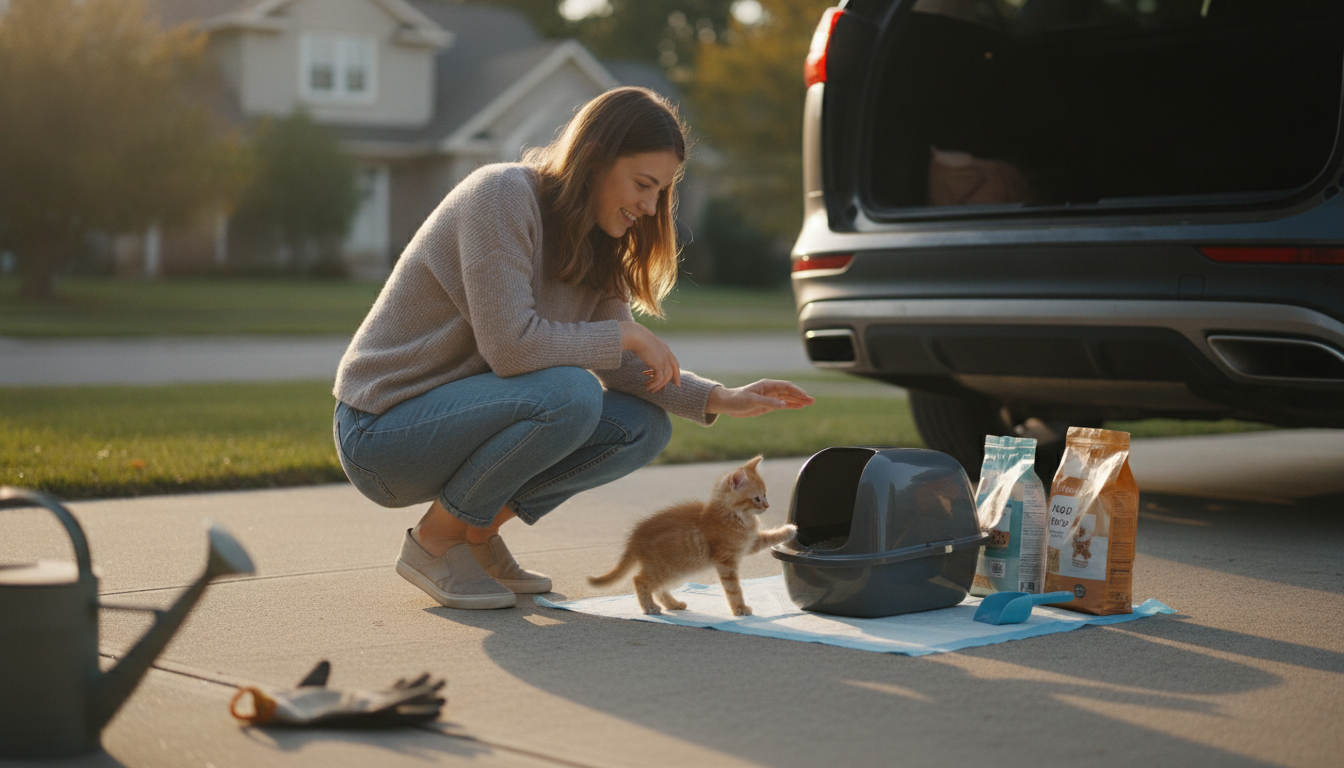
What age do kittens start using a litter box?
Most kittens can start using a litter box around 3 to 4 weeks old, when they’re able to walk steadily and begin eliminating on their own. Many kittens learn quickly because the instinct to dig and cover waste is strong, but they still need an easy setup and gentle guidance. By about 6 to 8 weeks, most kittens are reliably using the box, especially if their environment and routine stay consistent.
When litter training usually clicks
Kittens younger than about 3 weeks typically rely on their mother (or a caregiver) for stimulation to pee and poop, so litter training isn’t realistic yet. Once a kitten is weaned enough to explore and eliminate independently—often in the 3–4 week range—you can introduce a shallow, easy-to-enter pan. If you’re bringing home a kitten at 8+ weeks, they’re commonly already familiar with a box, but the new location and scent changes can cause a brief learning curve.
How to set up the litter box for early success
Small details make a big difference for young kittens:
- Choose a low-sided box so climbing in doesn’t feel like a workout.
- Use a kitten-safe litter (often non-clumping at first) since kittens may taste or paw at it.
- Place boxes nearby: one close to where they sleep and another near their main play area if your home is larger.
- Keep it clean so the box stays the most appealing option.
Simple training routine
Put the kitten in the box after meals, after naps, and after energetic play. If they start sniffing, circling, or squatting elsewhere, calmly scoop them up and set them in the box. Praise gently after they go. Avoid punishment—fear often leads to hiding and more accidents.
Feeding schedules can help with litter habits
Regular meals tend to create more predictable bathroom timing, which makes training easier. For a practical feeding rhythm that supports a new kitten’s routine, see the guide here: new kitten feeding guide and starter food schedule.
When to call a vet
If a kitten is straining, crying, has diarrhea, blood in the stool, or suddenly stops using the box after doing well, contact a veterinarian promptly. Medical issues and parasites can look like “training problems,” especially in young kittens.
FAQ
What litter is safest for kittens?
Many vets recommend non-clumping litter for very young kittens because they may ingest it while exploring. Choose an unscented option and transition slowly if you switch types later.
















Leave a comment